Japanese RPGs

Despite falling out of fashion in recent years the JRPG is still going strong and will never truly die. No matter how many ATB's or moe lolis developers add.
JRPGs cover a wide variety of systems and everything from the classic turn-based to medieval strategy, so something here is bound to tickle your fancy.
Microsoft
[edit | edit source]Xbox
[edit | edit source]
| Cover | Title | Style | Description | Screenshot |
|---|---|---|---|---|

|
Phantom Dust | Action/TCG | The closest thing the original Xbox got to a good JRPG in the west. Set in a dystopian future; you awake in a run down medical bay underground, with amnesia, only to find out that a group of Espers want to use you to rid the surface world of enemies that have succumbed to a cloud of dust that blankets the earth. The gameplay is third person action, after learning the basics of using different types of spells, you gain the ability to choose the spells you want with cards. Your attack style and abilities depend on what deck you have. With a cool style, and solid gameplay, this original game is sure to please. | 
|
Xbox 360
[edit | edit source]
| Cover | Title | Style | Description | Screenshot |
|---|---|---|---|---|

|
Blue Dragon | Turn-Based | Mistwalker's first game for X360 featuring design by Akira Toriyama (Dragon Ball), story by Hironobu Sakaguchi (Final Fantasy) and music by Nobuo Uematsu. Very traditional JRPG gameplay wise, but with some refinement and cool ideas. Characters are hopelessly one dimensional and the story reaches the top of shonen's cliche but the game is very atmospheric, exploration is fun and there are tons of additional quests and things to do so it's still worth playing. There are also two sequels released only on the DS, both of which play nothing like this. | 
|

|
Dark Souls | Action | Spiritual successor to Demon Souls, and arguably harder. It improves over every aspect of its predecessor, being at least twice as big and featuring a fully streamlined world, scarcer resources (no more carrying 99 of each grass). The tendency system gave way to a new faction system, with each of the 9 covenants having it's own mission and thus expanding a lot the way the multiplayer system works. A world of both frustrating and rewarding challenges awaits as you fight your way through tons of incredibly atmospheric dungeons. And you will die in every one of them, multiple times. And you will like it. A lot. | 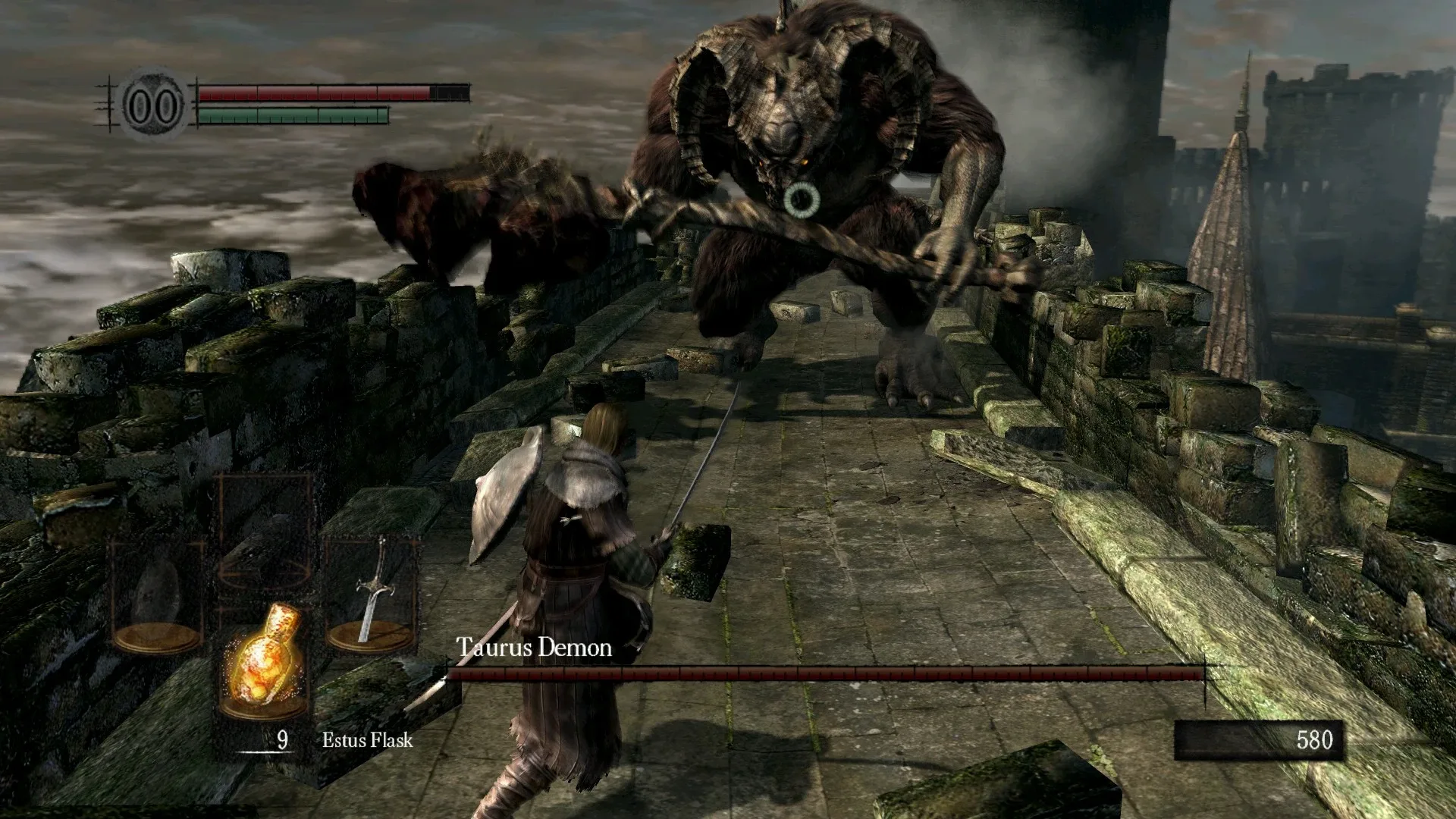 |

|
Dark Souls II | Action | Sequel that continues its predecessors tradition of challenging gameplay. The game is a bit more balanced compared to the first one and features a few tweaks that will help you on your journey (you can now fast travel for example) but that's not to say it's not hard as hell anymore. You are still going to die a lot. The game offers tons of content for those willing to put time into it, in an unique world that is simply stunning. Easily one of the best RPG experiences out there. The PvP is also very fun. | 
|

|
Dragon's Dogma: Dark Arisen | Action | Action RPG complete with customization, questing, and terrific combat. The story revolves around a fearsome dragon who invades your happy village, then proceeds to literally rip your heart out and eat it, as you are the chosen one and bad shit must happen to you. You'll venture throughout the land, Rereleased as Dark Arisen with new enemies (including a new final boss), equipment, enhancments, augments, character customization options and an option for moonspeak. Please note that there is no upgrade option for the original game. |

|

|
Eternal Sonata | Turn-Based/Action | Traditional action-JRPG, featuring Chopin as a character, along with some of his work. Similar to the Tales series. Lots to see, do, and explore. Worldwide. The PS3 version has extra content (extra characters and increased difficulty). | 
|

|
Lost Odyssey | Turn-Based | A traditional JRPG developed by Mistwalker about a man who has lived for 1000 years. If you can get past the very "traditional" JRPG battle system, you'll find a very engaging and emotional story, complete with interesting characters and unlockable short stories exploring the main character's past. Combine all this with top-notch English voice acting (particularly in the case of Jansen) and a fantastic soundtrack by Nobuo Uematsu and you have an under-appreciated gem. | 
|

|
Nier | Action | An action RPG by the now dissolved Cavia and published by Square Enix about a man who's trying to find a way to cure his daughter of a strange disease in a dark and melancholic post-apocalyptic world. Sequel to ending E of Drakengard. A must-play if you're looking for something different in the JRPG genre. Plays a lot like a Zelda game would. Two versions of the game were released, Nier Gestalt and Replicant. Replicant was released exclusively for the PS3 only in Japan and features a younger-looking version of the protagonist who is trying to save his sister instead. Everything else is identical on both versions, so if you know Japanese and would prefer to play as a pretty boy, there's that version. Besides the four different endings, it does something very different to add replay value since you NEED to play the game at least twice to get the most out of it, especially story-wise, where you restart from a pivotal point in the game rather than the usual New Game+. Also has one of the best soundtracks ever heard in video game history so grab that as well. | 
|

|
Resonance of Fate | Real-Time + Turn-Based | Known as End of Eternity in Japan, this is a somewhat slow JRPG with a steep learning curve, complex battle mechanics, and an okay/decent story revolving around the climate wreaking havoc on humanity. The story takes a back seat to the actual gameplay. Characters are fairly generic JRPG characters (except for Vashyron, who is pimp as fuck and voiced by NOLAN NORTH) but the environments can be pretty cool looking. | 
|

|
Tales of Vesperia | Action | What are you, some kind of idiot? This game is awesome. Word of advice though, this game is hard as balls on the default difficulty setting (which stupidly enough is Normal). If you're new to the Tales of.. series or are playing this game for the first time, do yourself a favour and play it on Easy the first time around, trust me. It will prevent you from throwing the controller at the TV in some boss battles. | 
|
Xbox One
[edit | edit source]
| Cover | Title | Style | Description | Screenshot |
|---|---|---|---|---|

|
Dark Souls: Remastered | Action | A port of the original Dark Souls and the Artorias of the Abyss expansion. Looks nicer and runs better(especially the Blighttown area). Massively influential action-RPG with a sophisticated dark fantasy setting and cryptic, melancholy storyline. Spiritual successor to Demon's Souls. Explore an inter-connected world full of dangerous enemies and well-hidden secrets while leveling up your character according to your preferred build. There's plenty of variety and replay value. Features asymmetrical online co-op and versus play. Notoriously difficult and mysterious. Considered one of the best games of all time. | 
|

|
Dark Souls II: Scholar of the First Sin | Action | An upgraded version of Dark Souls II. Includes all of the previously released DLC. Enemy placement is wildly different from the PS3/360 version. In fact, if you play this shit for the lore, stick with the PS3/360 version because the enemy placement makes no godamn sense anymore. | 
|

|
Dark Souls III | Action | The final game in the series, this time with Miyazaki back at the helm. Expect a faster pace this time around, as the team was still fresh off of Bloodborne. This one is generally considered better than Dark Souls II (though some may not agree), but not quite as good as DaS 1 nor Demon's Souls.
Ashes of Ariandel is a 3 hour piece of shit with little content and two bosses, while The Ringed City has more to offer with DS2-levels The Fire Fades Edition contains all DLC, so if you've waited to get a complete edition while waiting for a reasonable price, then get it now. |

|

|
Dragon Quest XI S: Echoes of an Elusive Age Definitive Edition | Turn-Based | Enhanced version of DQXI, now with extra content and a fully-playable, SNES-style, sprite-based mode on top of the standard 3D presentation. Lengthy campaign, in-depth turn-based combat system, charming characters, and an Akira Toriyama-designed fantasy world. A great entry point into Dragon Quest, and an unforgettable JRPG overall. | 
|

|
Dragon's Dogma: Dark Arisen | Action | Underrated Capcom action-RPG. Medieval fantasy in an open-world setting. This game's story, variety, presentation, and world size are all somewhat underwhelming, but it shines in the combat, which is thrillingly fast and fun, kind of like a medieval Devil May Cry with elements of Dark Souls and Shadow of the Colossus. There are several classes to try and they're all fun to play, including the spellcasting ones. No multi-player, sadly, but you can trade your A.I. companions with others online for fun and profit. | 
|

|
Elden Ring | Action | An open world Souls game lauded for its exploration, combat, and world design made in conjuction with George R.R. Martin. You're a Tarnished, an exile from the lands you occupy who has returned following a catastrophic event that has torn the land asunder. Unlike most "open" world games you can approach the various lands and bosses in any order, with the ability to skip large portions of the game if you know where to go and who to fight. The Xbone version runs really poorly and should only be played as a last resort if you can't play on PC or PS5/XSX, but the game is worth the trouble if that is all you have. The XSX disk will work in Xbox Ones too. | 
|

|
Final Fantasy X/X2 HD Remaster | Turn-Based/Active Time Battle | A remaster of Final Fantasy X International and Final Fantasy X-2 International + Last Mission, the updated graphics look nice but the FMVs are just the PS2 FMVs re-rendered in 1080p and the voices aren't changed but the addition of the International bonuses and the HD graphics are worth replaying this game. Has the option to change the soundtrack to the original PS2 soundtrack or the re-arranged PS3 and PS Vita versions. Every console version only includes the english voices. | 
|

|
Final Fantasy XII: The Zodiac Age | Active Time Battle | Port of FFXII International Edition, which features various gameplay changes and improvements to the original game, and was (despite its title) never released outside of Japan. FFXII is a more "Westernized" take on the JRPG series, with a real-time party combat system, a beautifully-realized, free-roaming world, and tons of optional content. | 
|

|
Final Fantasy Type-0 HD | Action | Imagine Crisis Core but better with 14 different playable characters, playable summons, A WORLD MAP, chocobo breeding and a fantastic story. The gameplay is difficult and will kill you if you get careless but is fun and faster than Crisis Core because less "slot machine" bullshit. Much, MUCH, bloodier, gorier and violent than the previous Final Fantasy games.
Has updated graphics compared to the PSP version, as well as the option to change the voices to English or Japanese, no multiplayer (as if anyone cared about it), an exclusive alternate ending, an updated soundtrack and an exclusive demo for Final Fantasy XV for the Day One edition. Keep away from the English dub, it is the worst English dub Square has ever worked on (even worse than Final Fantasy X, but not as bad as FF4 SNES). Has a somewhat spotty translation so get the PSP version if you are willing to pirate and you have PPSSPP or a PSP with CFW. |

|

|
Persona 5 Royal | Turn-Based | You got an assault charge for punching out a rapist, forcing you to transfer to the only school that's willing to accept you. On top of that you've gained the power to access the hearts of the corrupt, and decide to steal their darkest desires with the power of your Personas. (very) Arguably the best entry of the Persona franchise, and widely considered one of the best JRPGs of all time, Persona 5 takes its tried and true formula and adds a fun Lupin the Third style heist element to keep things interesting. With gorgeous art design, a dark, gripping story, a monstrous length (over a hundred hours for the main story alone!), a bounty of sidequests, and a rock solid battle system, Persona 5 must not be missed.
NOTE: The Persona 5 Royal edition is a massive expansion to the base game released in March of 2020. Including new characters, S.Links, combat mechanic changes and Skills; as well as an additional semester of game-play, story, expanded palaces and a whole host of quality of life improvements/additions too numerous to list. If you are picking up a copy make sure it's the Royal version. XSX disk works in Xbox Ones. |

|

|
Yakuza: Like a Dragon | Turn-Based | The 8th mainline Yakuza game(known as Yakuza 7 in Japan) takes the series in a very different direction. Discarding the beatemup combat(now exclusive to the Judgement games) for a turn-based JRPG system with a Final Fantasy V-like jobs system. With Kiryu's story ended after Y6, Like a Dragon stars the affable gangster Ichiban Kasuga and a group of friends he makes on his journey to discover why his old boss has abandoned him after a long prison stint. The blend of serious melodrama and ridiculous writing the series is known for is maybe at it's best here, and the new characters are all fantastic. The combat can be deep, albeit outside of a few moments not terribly challenging. The game's spin on traditional JRPG elements and its open love for Dragon Quest are fantastic and look to be a great kickstart for a series that was getting stagnant. | 
|
NEC
[edit | edit source]TurboGrafx-16
[edit | edit source]
| Cover | Title | Style | Description | Screenshot |
|---|---|---|---|---|

|
Cadash | Platformer/Action | Platformer combined with an RPG. 4 different classes with different specialties. Best played co-op, especially due to the scarcity of extra lives. The Priest(ess) has some very co-op friendly spells as well. According to fans, it's an "Excellent port of the arcade game" (no timer anymore, either) and "Blows the shitty Genesis port away" (the Genesis version's not THAT bad, but it really does pale compared to this and the original, so don't bother with it). If you ever play the arcade version, be aware that there's some differences from this. | 
|

|
Dungeon Explorer | Action-Adventure | This is like somebody wanted to mix Gauntlet with an RPG game, so they did. Very, very fun, and even more fun with friends. The variety of characters comes from different stats and spell types per class; therefore, some fare better with buds versus solo-play. The sequel improved SO MUCH, but can be a lot harder to find, and you better believe it sells for a pretty penny (still worth it!). | 
|

|
Military Madness | Strategy | The first game in the long-running Nectaris series. This game is pretty good. Designed very solid, controls well, deep gameplay, hard as fuck. A must for strategy nuts. | 
|
TurboGrafx CD
[edit | edit source]
| Cover | Title | Style | Description | Screenshot |
|---|---|---|---|---|

|
Cosmic Fantasy 2 | Turn-Based | Kind of a hard sell nowadays, but worth checking out for the Retro RPG-loving crowd. It didn't make any spectacular breakthroughs, but what it did do, it did well. It's sort of mix of fantasy and sci-fi, akin to Phantasy Star (Hey, wait a-). It also has quite a bit of cutscenes and voice acting, which are done pretty damn well. The script is also well done, but could you expect anything less from Working Designs? Try it out. Even if the plot's a bit cliche, it has some worthwhile unexpected twists.
Note: use the Un-Worked Designs patch to undo the censorship and difficulty increase of the WD localization. |

|

|
Dragon Slayer: The Legend of Heroes | Turn-Based | One of Falcom's many entries of their legendary Dragon Slayer series. This one is not action, but turn-based like some of the later games. It's still quite solid, since no matter what the genre, Falcom likes to put a lot of effort into their games. As Prince Logan, you venture to find companions and conquer evil. Sadly the second game was not localized. Typical Falcom, yo. | 
|

|
Dungeon Explorer II | Action-Adventure | The Gauntlet-like RPG is back, and bigger and better than ever! Choose one of 8 character, switch characters, get new characters, talk to people, slay monsters, take on bigass bosses (each of whom are quite varied in strategy), explore new areas, avoid traps, learn new information and abilities, oh, and explore dungeons! And like the first, up to 5 players can play at once! One could go on and on about this game, but this good fellow sums it up masterfully. | 
|

|
Exile | Action | A curious action RPG about a 12th century Syrian Assassin who time-travels, kills religious and political figures, and smokes weed erryday (among other drugs). And he's the good guy! It's kind of like Ys 3 in terms of gameplay, but a bit harder and cheaper at times. Still, the story is hella crazy and the action is fine. You can read more about the interesting aspects of the series HERE.
Note: use the Un-Worked Designs patch to undo the difficulty increase of the WD localization. |

|

|
Exile: Wicked Phenomenon | Action | The last game of the Exile/XZR series, you can now alternate between Sadler and his friends, who all have different abilities though they're mostly situational.
Note: use the Un-Worked Designs patch to undo the absurd difficulty increase of the WD localization. |

|

|
Ys Book I & II | Action-Adventure | The Ys series kind of takes off after Zelda in gameplay and puzzle construction, but story-wise, fits more along the lines of a Final Fantasy epic. A series with a huge cult status, many say the best way to play the first two is this version. | 
|

|
YS III: Wanderers From Ys | Action-Adventure | If you liked Ys Book I & II then, hey, you're in luck! Maybe. The third Ys and the last one localized on this console, Ys III is actually a side-scrolling game, kinda like Faxanadu, but much faster-paced. Different from the first two, but still fun and it continues the story. Play it and decide for yourself how you rank it with the others. Prepare yourself for what may be the second best Ys soundtrack ever, only to be topped by its remake on PC and PSP: The Oath in Felghana. | 
|
Nintendo
[edit | edit source]NES
[edit | edit source]
| Cover | Title | Style | Description | Screenshot |
|---|---|---|---|---|

|
Destiny of an Emperor | Tactics/Turn-Based | Based on a graphic novel of the Romance of the Three Kingdoms. Mixes Dragon Quest and Dynasty Warriors. Journey across the vast land of China, go through towns, caves, and tunnels, and fight enemy warlords in open areas, forts, and castles. You can also recruit over 100 generals to your side, through show of force and/or bribery. There's quite a bit to see, do, and even miss out on, so use this handy website. Has a japan-only sequel, see Tenchi wo Kurau II on the Famicom page. | 
|

|
Dragon Warrior IV (Dragon Quest IV) |
Traditional Turn-Based | This one's pretty nice. You don't have to play any other DQ game before this. Has pretty nice pacing, and the chapter system is a means to help you learn the ropes while still giving a bit of challenge before the fifth and final chapter, which is longer than all past chapters combined. The twist there is that you only take control of the Hero character, and your other allies act on their own accord based on tactics you give them. The AI is surprisingly decent with the right tactics, though it does make some dumb mistakes from time to time. There's a revamp on the DS that's just as good as this, if not better, but this one is still worth playing due to its curious quirks. If you want to learn a bit more about the series and its games, just click the title on the left to go to a semi-incomplete page that some jackass made. |

|

|
Final Fantasy | Turn-Based | The classic JRPG by Square. Make a party of 4 characters from 6 different jobs. Mix and match these six choices, even choosing more than one of the same job. If that wasn't enough, at a certain story point, ALL of your 4 allies promote to better classes. This has a rather epic storyline that to this day, still requires a long window of time to beat. FF1 got remade and ported to a number of systems, said remakes added, fixed, and altered several things to be more in line with later FF games. The GBA and PSP versions are the easiest. The GBA version may not look or sound as pretty as the PSP version, but the action flows faster and also comes with Final Fantasy II's remake. This was the game that made Square into a household name long before Final Fantasy VII. | 
|

|
The Magic of Scheherazade | Action/Adventure/Turn-Based | A diamond in the rough. Incredibly ambitious and, for the most part, actually follows through on it. Mixes action battles and exploration along with turn-based event battles. The ideas and puzzles are fairly well-executed, but it does have a few odd design choices, such as having "lives" and passwords. Still, you should give it a shot. Many would call it Culture Brain's masterpiece, and it's definitely not a bad game in its own right. There's quite a few resources and fan-pages for this, should you bump into trouble. Like this one |

|
Super NES
[edit | edit source]
| Cover | Title | Style | Description | Screenshot |
|---|---|---|---|---|

|
Arcana | First-Person Dungeon Crawler | An RPG developed by HAL, creators of Kirby and Super Smash Bros. Arcana is a great little JRPG with a lot of heart. Grab some loot in town and head out into whatever dungeon is next on your list. You explore dungeons from a first-person, Phantasy Star-esque perspective, but this game features a VERY helpful map. Battles are standard turn-based fare with random encounters. Even though monsters and characters are displayed on cards, nothing about the game is really card-based. Other characters will come and go in the story, but you always have one space in your party for different elemental beings that travel and fight alongside you. You collect more of these beings as the game progresses. My favorite part of this gem though? THE MUSIC. This game's soundtrack is composed by the guy who scores the Kirby games. Kirby music. In an RPG. This game features a lot of polish and is truly a hidden gem. | 
|

|
Breath of Fire | Turn-Based | A JRPG by Capcom. Your hometown's destroyed, your sister's kidnapped, and an evil empire is running amok. What next, a dragon? Unlike other RPGs, You ARE the Dragon! As a dragon-man, you can transform into a dragon to kick some evil ass. Later on, certain party members can fuse together. Despite the setup being rather dull, the story fleshes itself out in very unique and touching ways, with a number of unexpected twists. It also has great music. It was ported to the GBA with a few additions, most notably the 'run' button and added EXP. The GBA version is recommended to make the game less tedious. | 
|

|
Breath of Fire II | Turn-Based | A JRPG by Capcom. You are still the dragon, but not the same one, as this takes place centuries later. You can now power up party members with elemental shamans you find, and build/run your own town later on. This game features a pretty twisted story as well. It was also ported to the GBA with a few additions, similar to Breath of Fire I (EXP gain and the run button, mostly). The localization for both is horrendous though, and there's a superior translation patch for this (with a run button!). Also has great music like the first. The series continues on Playstation 1 with BoF III. | 
|

|
Chrono Trigger | Active Time Battle | A classic time-traveling JRPG by Square. Great visuals, fantastic music, an imaginative story, and gameplay that best utilizes the classic ATB system out of any game that has it. Considered to be one of the best RPGs of all time. Ported to the PlayStation and DS, both features anime cut-scenes but the latter also has bonus extras/no half-assed load times. | 
|

|
Earthbound (US) Mother 2 (JP) |
Turn-Based | A quirky, humorous, deep and emotional RPG, parodying the JRPG style with western pop culture. Some may love it for its 'deep' story but even if you don't go for that kinda thing you'll still love the fuck outta this! 1st game is on NES but you don't need to know about that to enjoy this. both 1st and this game were bundled together and released on a GBA cart in Japan only. Sequel is Mother 3 on GBA with an excellent fan translation available. | 
|

|
Final Fantasy II (US) Final Fantasy IV (JP) |
Active Time Battle | A classic JRPG by Square. This was one of the first games to have a more complex storyline, and it introduced the ATB system used in many of its successors. Regarded by some as probably the best intro to the series for beginners. Ported to the PlayStation with a better script and restored difficulty/abilities, Game Boy Advance/PSP with lots of extras, and remade for the DS with different extras and MUCH HARDER difficulty. Has a a sequel on WiiWare/PSP, that you may also like (if you aren't a jerk). Note: FF2us was based on a early version of Final Fantasy IV Easy Type, which removed many abilities, removed all status curing items except Remedies, and toned down enemy difficulty. However, Easy Type does have a more difficult final dungeon and final boss. The script in FF2us was also infamously poorly translated. There is a fan translation patch for the Japanese version, but the script has many mistranslated lines, juvenile humor and outright PLAGIARISM for the original FF2us script. There's also the Namingway Edition, which restores the Japanese maps and content and has a script that's more faithful to later localized versions. |

|

|
Final Fantasy III (US) Final Fantasy VI (JP) |
Active Time Battle | Another classic JRPG by Square. It has a large and varied cast of characters that can be customized by equipping Magicite on them. Translation is a lot better than FF2us. Great music, widely contested to be the best in the series. The SNES version is noted for having LOTSA EXPLOITS, many of which can be used by the player to become overpowered, especially Vanish+Doom.' Ported to the PlayStation with LOAD TIMES and Game Boy Advance with extras and a remixed script of new and old. |

|

|
Final Fantasy Mystic Quest | Turn-Based RPG Lite | An "entry level" RPG, BUT just because it's easier and shorter than its older FF cousins doesn't mean you shouldn't play it. For one, it has JUMPING along with various tools and both are utilized in dungeons for exploration and various puzzles. Combat is streamlined, offering only a few options at first, but giving more as you progress. It's a pretty cool story and your party members are pretty memorable pals. The music is the best reason to play. Known as Mystic Quest Legend in Europe, not Mystic Quest (That's Final Fantasy Adventure). If you like this, consider Final Fantasy: 4 Heroes of Light on DS. Both are different, but have similar vibes. | 
|

|
Illusion of Gaia (US) Illusion of Time (EU) |
Action | The second game in Quintet's Heaven and Earth/Soul Blazer series. A young boy with psychic powers named Will beats up monsters with a flute. He also obtains the ability to transform into powerful warriors with their own abilities. This game is noteworthy for having you travel around places that strongly resemble cultural and historical sites in our own reality and also its rather dark, but VERY well done, story and soundtrack.
Note: The English localization is quite lousy, and it censors some tricky bits like references to slavery, cannibalism, and religion. Get the retranslation patch here. |

|

|
Lufia II: Rise of the Sinistrals | Turn-Based/Dungeon Crawler | This game is a through-and-through traditional JRPG. Still, it pulls it off with GREAT music and writing. It also features Zelda-like puzzle dungeons. Remade as a kickass Action-RPG on DS, with a magic-steampunk world and characters having odd fashion sense , but INCREDIBLE music and more puzzle goodness. And they kept the story pretty true to the original with few minor differences. Note: Though controversial, the creators themselves have stated the DS game to be an alternate retelling and still respect the original, even encouraging players to enjoy both. SO QUIT COMPLAINING. | 
|

|
Metal Max Returns | Traditional Turn-Based | Although the Style category says otherwise, this game is hardly "traditional" in many ways. Starts out a bit weak with only a few options for equipment and very few places to go. Then you get your first tank (yes, there's more), then you unlock the region gate, and soon you realize there's much more to the world and many dangerous areas and foes await. Thankfully, there's many more weapons and items to find as well, along with new vehicles and equipment to customize said vehicles with. The best part is that the game doesn't hold your hand at all. Good luck! Has a spiritual successor released in US/English called Metal Saga on PS2.
Japan-only, translation patch here. |

|

|
Secret of Mana (NA) Seiken Densetsu 2 (JP) |
Action | Another widely-loved Action RPG by Square. Originally developed for the unmade SNES-CD add-on, but downported to the SNES cartridge system when Nintendo and Sony fell out with each other. Up to three people can play simultaneously. It expands on the weapon and magic abilities of Final Fantasy Adventure for Game Boy, the first Mana title. Magic is aligned to various spirits and each has their own sets of spells. This really setup the Mana series and the various mythos, along with elements and characteristics that it is so well known for today: weapon skills, tough bosses, pleasant visuals, great gameplay, and incredible soundtracks. Note: The US localization is kind of crappy due to censorship and trimmed out conversations (it was handled under time constraints), so use the Relocalized hack. |

|

|
Soul Blazer (US) Soul Blader (JP) |
Action RPG | The first game in Quintet's Heaven and Earth/Soul Blazer series (followed by Illusion of Gaia and Terranigma on the SNES, then The Granstream Saga on PS1), which is a sister series to Actraiser. You are a hero sent by God to free the world from the demon Deathtoll, with whom the stupid king had made a deal. The music is awesome (and strangely groovy for this sort of world it takes place in), and the game itself is a lot of fun, but kinda hard at times. As an early title, it's a little stiff control-wise, and the graphics are somewhat simplistic, but the ambition and creative worldbuilding make this game greater than the sum of its parts. | 
|

|
Super Mario RPG: Legend of the Seven Stars | Turn-Based | Timed hits, saving the princess, Geno, Mallow, and one of the most fun RPGs made by Square. Has an awesome soundtrack. As well as incredible characters and bosses with many colorful and awesome environments. Dear god, play this now. Has a spiritual successor in the Paper Mario series, which has a spiritual successor in the Mario and Luigi series. | 
|

|
Terranigma (JP/EU) | Action | The third game in Quintet's Heaven and Earth/Soul Blazer series. Ark, a boy from the underworld village of Crysta, is tasked with the creation and resurrection of the overworld. Considered by some as the best non-Nintendo release of the SNES due to its awesome soundtrack and gameplay, complex storyline and mind blowing graphics. Just be ready for the legendary boss fight with Bloody Mary, famous for being stupid hard or stupid easy, due to certain factors. Not released in the US, use the NTSC patch to run the European version at 60 FPS. |

|

|
Uncharted Waters: New Horizons | RPG | Known as Daikoukai Jidai II in Japan. A game about nautical adventures with an awesome soundtrack and good plot. You can choose role of merchant, adventurer, combater by choosing different characters as protagonist. | 
|
Nintendo 64
[edit | edit source]
| Cover | Title | Style | Description | Screenshot |
|---|---|---|---|---|

|
Hybrid Heaven | Action | A unique entry in RPG history. A hybrid between fighting game and turn-based battle sim, the player maneuvers the protagonist in a playing field until in position to attack, or be attacked. A very much overlooked title that tried something new. | 
|

|
Ogre Battle 64: Person of Lordly Caliber | Strategy | Fuck long SRPG with a sweeping story and high degree of customization. Great replay-ability. Probably the N64's rarest game, an original cart nowadays costs a decent chunk of change. Worth buying though, no matter what you spend. Notable for one of the worst Strategy Guides ever. | 
|

|
Paper Mario | Turn-Based | An RPG set in a paper cutout version of the Mario universe and imbued with untold amounts of charm and personality. Easy, turn-based and simple battle system where you play as Mario and one of multiple supporting partners, but perfectly-paced and balanced progress, never hitting a snag or lull like most JRPGs. The vibrant dialogue and smart fleshing-out of the Marioverse help a lot as well. Fair amount of side-content, but beware that there is no post-game. Available for the Wii VC. | 
|
Gamecube
[edit | edit source]
| Cover | Title | Style | Description | Screenshot |
|---|---|---|---|---|

|
Baten Kaitos: Eternal Wings and The Lost Ocean | Turn-Based/Card Collecting | One of the GCN's biggest JRPG experiences was this offbeat game by Monolith Soft (of the Xeno series games). A colorful fantasy adventure about a civilization of winged people who live on floating island nations, with a turn-based, card-based combat system where each card is a weapon attack, action or spell. Improving your characters' decks and learning the finer points of combat is essential to avoid getting stuck later on. Its main draw is the incredibly creative and strange world and character design, plus an excellent soundtrack and some shocking plot twists. Has lots of easily-missed unique cards, so you might want to use a guide. | 
|

|
Baten Kaitos: Origins | Turn-Based/Card Collecting | A prequel to the original Baten Kaitos, fleshing out the world and background of the game series while featuring some younger versions of its characters. The main party's new and consists of only three characters, which allows for stronger development. Follows in the footsteps of the previous game, but the card-based combat has been streamlined a bit to allow for easier combo-stringing. As per usual the story features some ridiculous, unforeseen twists. Released at the very end of the GCN's life, the graphics are great (as is the soundtrack). The series has been dormant ever since, aside from a re-release of the first two games on Switch and PC. | 
|

|
Final Fantasy: Crystal Chronicles | Action | One of the best multi-player co-op RPG experiences of its generation, where you create a character from one of four different races and set out on an adventure to collect crystals and purge your land of miasma with your friends. The pastel-colored cartoon style was unusual for the franchise at the time, as was the active-time combat with melee fighting and area-of-effect spell-casting. Unfortunately multi-player (up to four players) requires each to have a GBA and link cable, which may be more trouble than it's worth. It's still a fun solo experience, though lacking in story for a Final Fantasy game.
Remastered Edition out for Switch, PS4, iOS, and Android. |

|

|
Fire Emblem: Path of Radiance | Strategy | Took the Fire Emblem series to 3D for the first time, though the core gameplay remains the same: command unique characters on grid-based maps to attack in turns. If someone dies, they're gone for good, but the game throws lots of characters at you to make up for most losses. Introduced a new world (Tellius) and story arc, as well as the Laguz class of were-beast people who cannot fight in their normal forms but have overpowered transformations for a limited time. It also introduced skills equippable to characters, expanding customization. Though the game lacks balance in places and 3D models/animations look kind of drab/slow, it's a solid game and a great entry point to the franchise. Fire Emblem: Radiant Dawn (WII) is a direct sequel. | 
|

|
Lost Kingdoms | Action/Card Collecting | Build a deck out of monsters you capture, and then use your cards to capture even more monsters! The game play of this game is reminiscent of Pokémon with a little dash of Yu-Gi-Oh!, and those who enjoy monster collectan games will enjoy this one. | 
|

|
Lost Kingdoms 2 | Action/Card Collecting | This sequel to Lost Kingdoms expands and improves upon the gameplay of its predecessor. It's generally recommended over the first game, as Lost Kingdom 2's plot doesn't rely on the plot of Lost Kingdoms too much to hinder a newcomer's enjoyment. | 
|

|
Paper Mario: The Thousand-Year Door | Turn-Based | A solid RPG that improves upon its predecessor in many ways. You can now pull off stylish moves, your partners have health bars, and an audience system is in place that judges your performance as well as helping you fight. Clever and funny writing. The gameplay is still very fun; so good, /v/ can agree on it. Prequel is on the N64, platforman sequel is on Wii (Super Paper Mario), but you don't need knowledge of those to enjoy this. | 
|

|
Phantasy Star Online Episodes 1 & 2 | Action | Port of the Dreamcast game, but has a new episode plus split-screen multiplayer. Allows for third-party servers so the online community is still alive(ish). No longer have to pay a sign up fee. The game has a re-release called "plus" which features some bug fixes and additional content, but its pretty rare and expensive. There's also a sequel that's exclusive to the GameCube. It trades the first game's real time combat for card-based, and its not so expensive.
Also on DC, PC, and Xbox. |

|

|
Skies of Arcadia Legends | Turn-Based | Very rare port of the beloved DreamCast JRPG starring sky-faring pirates in a world of floating islands. On foot you explore dungeons and towns and engage in traditional turn-based battles, while in the air there are sweeping, large-scale fights against rival ships or giant monsters. Fantastic soundtrack, character and world design, with a lot of optional content; and this port added even more of it compared to the original. The story is fairly typical for the genre but features a small and well-developed cast, plus the main character is especially likable for behaving like an actual pirate badass and not a meek teenager. This port's only downside is the dodgy sound quality and some censorship. No sequels or spin-offs, sadly. | 
|

|
Tales of Symphonia | Action | The first fully-3D Tales game took the series to a new level of popularity thanks to its memorable main cast and fully active combat, where you can move characters around and assign special techniques to different buttons, even allowing for multi-player (but in-battle only). The lengthy story falls into a lot of typical cliches, but is buoyed by the characters and some unexpected moral choices/twists. It also has tons of extra content and a massive game world consisting of two alternate dimensions. A great introduction to the Tales series and a very solid JRPG on its own. The JP-only PS2 port features some extra content. There was a direct sequel on the Wii, but it wasn't exactly well-received. | 
|
Wii
[edit | edit source]
| Cover | Title | Style | Description | Screenshot |
|---|---|---|---|---|

|
Arc Rise Fantasia | Turn-Based | Very typical modern JRPG with Tales-esque characters and plot. Combat, however, is strictly turn-based and comparable to Final Fantasy X. The story's nothing worth writing home about and the voice acting is absolutely awful, so consider the undub version. Graphics are okay but sometimes too colorful for their own good. It's also surprisingly difficult at points. A solid but ordinary RPG in case you own a Wii and are desperate. | 
|

|
Dokapon Kingdom | Turn-Based Board Game | Mario Party meets classic JRPGs. Pick a character and class and move across the board protecting towns, defeating bosses, and making lots of money. Games take longer than your average Mario Party round, though. Known as a friendship-destroying game because it actively encourages being an asshole, and allows you to humiliate players by doing things like changing their name or shaving their head. Lots of fun. Also on PS2 and now PC. | 
|

|
Final Fantasy Crystal Chronicles: The Crystal Bearers | Action | An unusual Final Fantasy game largely unrelated to other Crystal Chronicles titles. Play as a refreshingly cocky protagonist in a shallow but fun adventure. Gameplay revolves around magically levitating and throwing objects with motion controls. Features lots of mini-games and special gameplay sections, an eclectic soundtrack, and a short playtime. Might appeal to Final Fantasy non-fans. | 
|

|
Fire Emblem: Radiant Dawn | Strategy | Direct sequel to Path of Radiance (GCN) with much of the returning cast. The plot deals with the aftermath of the war and the rebuilding effort in the face of a new conflict. It's very hard in the beginning but gets slightly better a few chapters in. Graphically it looks practically the same as its predecessor, and includes the same features such as equippable skills and weapon-forging, though support conversations are sadly gone. At least the Laguz are slightly more useful. Overall a decent entry in the series. Has a couple replay-only characters, too. | 
|

|
Fragile Dreams: Farewell Ruins of the Moon | Action | An atmospheric, exploration-focused game where you play one of the few survivors in a post-apocalyptic Tokyo, trying to figure out what happened to the world. Very melancholy gameworld with ruined environments and anime-style characters. Meanwhile combat is very clunky and features survival game aspects such as breakable weapons and limited items. Definitely a game to play more for its look and feel than anything else. Has some awkwardly funny scenes as well. | 
|

|
Little King's Story | Strategy | This is a strategy game where you recruit civilians and assign them to various jobs. Then you go out into the open to explore, beat bosses, and conquer the world! There's a lot of secrets to find as well. Compared to Pikmin, there are a lot more kinds of minions to employ. The bosses in particular are a lot of fun here. They each have specific strategies and weaknesses that you will need to exploit. Party building and organizing are definitely a fairly important part of the game as well. Great humor and some of the most creative bosses you will ever fight. Largely regarded as the best Wii game of 2009!
Has a poor remake on the Vita with a less cutesy art style. |

|

|
Muramasa: The Demon Blade | Action Platformer | A visually impressive game with large and detailed sprite work similar to Odin Sphere (PS2). Play as a runaway ninja or a cursed princess and hack your way through gorgeous 2D levels teeming with mythical Japanese monsters. Though the gameplay is very repetitive, combat is fundamentally satisfying and there's lots of weapons to collect, not to mention multiple endings. Voice acting remained Japanese in English localization.
Ported to PSVita (with better translation and DLC). |

|

|
Pandora's Tower | Action | Ganbarion's submission to the Wii console comes across as a mesh between Shadow of the Colossus, Zelda, God of War, and a dating sim. Unfortunately, the game, due to its recycled areas, ill-paced plot, and repetitive soundtrack, isn't nearly as awesome as the aspects imply. Regardless, it's a solid title that's worth a playthrough. If you like it, it offers much by way of replayability, including several, significantly different endings based on how you bond with the love interest. An expansive crafting system adds a bit of depth to the game and is a good timesink for those with a completionist bent. If you're looking for an excuse to dust off your Wii for a bit, Pandora's Tower is definitely an option. | 
|

|
Phantom Brave: We Meet Again | Strategy | A port of Nippon Ichi's PS2 strategy RPG, Phantom Brave. There's practically no changes to the main game other than the ability to display it in 480p, but the it does include a second campaign that picks off where the first one left off, letting you use some new characters, and also comes with a digital art disc, which has art work and sprites from the game. Worth checking out if you never played the PS2 version, as this is quite unique as far as SRPG's go.
Minor updates to loading times and a few textures are barely noticeable. |

|

|
Rune Factory Frontier | Action/Simulation | A Harvest Moon-style farming simulation crossed with an action-RPG. Has four different dungeons to explore, a town full of people to talk to (including a number of girls to date), crops to grow and animals to raise, and many items to craft using materials that you acquire from the dungeons, townspeople and your farm. The battle system is rather simple, and you'll probably end up just swinging your sword around in a circle to hit everything. Solid graphics and music along with good voice-acting. Pretty addictive. Very minimal waggling (you can shake the nunchuk to knock on someone's door after they've gone to bed for the night) which isn't really necessary to complete the game, so you're probably better off playing with a Classic Controller Pro. | 
|

|
Sakura Wars: So Long, My Love | Strategy | The first installment in the revered Sakura Wars series to make it stateside. In an alternate-universe, vaguely steampunk 1920's New York, you must manage a musical theatre troupe that is actually a front for a steam mech-riding world defense team! There is no grinding; deepening your relationship with the multi-ethnic cast of girls directly affects battle performance, which takes place in turn-based SRPG form. It's incredibly cheesy to the point of embarrassment, but that's part of its charm. The PS2 Premium Edition includes an extra CD with Japanese voice acting, but the English voice work is very competent. | 
|

|
The Last Story | Action/Tactics | Mistwalker's last console game. Features real-time combat with a few elements borrowed from cover-based first-person shooters and tactical RPGs. There is no overworld to explore, but the one town you get is pretty big. No random battles, although you can grind if you want. Graphics and sound are pretty good for the Wii, although there are sometimes very noticeable drops in framerate. As the title suggests, the story is pretty good, and the English translation and voice-acting are excellent. No waggling or pointer used in this game, so the Classic Controller Pro is recommended. | 
|

|
Xenoblade Chronicles | Action | Amazing game with an engrossing story, a huge world with cities crammed with characters and sidequests, an intricate and satisfying real-time battle system, and some of the best graphics you'll see on the Wii. The first entry of a now four-game-long series. If you're into RPGs, the only reason you wouldn't get this is because the Switch remaster is even better. Also on 3DS, but that's considered an inferior port. No waggling or pointer used in this game, so the Classic Controller Pro is recommended. | 
|
Wii U
[edit | edit source]
| Cover | Title | Style | Description | Screenshot |
|---|---|---|---|---|

|
Tokyo Mirage Sessions #FE | Turn-Based | An RPG which is basically Shin Megami Tensei with Fire Emblem shoehorned in, it plays pretty well and has that Atlus feel to it. AKA it's weeaboo as fuck.
Western versions were struck with a retard stick and have lots of inane censorship. The Switch version suffered the same fate, even in Japan. There are mods to revert the changes, so get them before playing the game. |

|

|
Xenoblade Chronicles X | Action | Spinoff to the critically acclaimed Wii RPG, it's just as huge and impressive as the previous game. In fact, it's probably the most impressive game on the Wii U. With one of the hugest overworlds in any recent RPG, you can get into many battles with Xenoblade's battle system, sometimes even in a giant robot. It may not be as good as Xenoblade Chronicles, it's still good in it's own right. Oh, and Hiroyuki Sawano (Kill la Kill, Aldnoah.Zero, Attack on Titan, etc.) did the music, and it grows on you really quickly. | 
|
Switch
[edit | edit source]
Physical
[edit | edit source]| Cover | Title | Style | Description | Screenshot |
|---|---|---|---|---|

|
Bravely Default II | Turn-Based | Traditional turn-based fantasy JRPG by Square-Enix, with a very fun job system that offers plenty of party customization. Decent story, with only vague connections to previous Bravely games. Charming, but unsurprising, visual style, and substantial campaign length. A solid option for genre fans. | 
|

|
Dark Souls: Remastered | Action | It's Dark Souls on the go. Its performance is a bit compromised, and the online was dead on day one, but it's a serviceable port of one of the most beloved games of all time and you can play it on a plane. As with all the remastered versions, it comes with the Artorias of the Abyss expansion content. Unlike the other releases, this version doesn't contain the controversial revised lighting and textures that have marred the reputation of the remaster as a whole. If you care about portability and don't mind 30 FPS (which is what god intended) this is one of the best, and most faithful, ways to play this classic. | 
|

|
Dragon Quest III HD-2D Remake | Turn-Based | A remake of the third Dragon Quest game made in the HD-2D style. The game has a fairly non-linear story and fully customizable party (aside from the hero character) which includes a job-switching system that allows you to carry over all learned skills from one job to another. This version also adds a monster arena where you find monsters in various towns and hidden areas on the world map. There is also some expanded backstory to the hero's father not present in previous versions. | 
|

|
Dragon Quest XI S: Echoes of an Elusive Age Definitive Edition | Turn-Based | The enhanced version of DQ11. Considered among the best Dragon Quest games and among the best JRPGs of this generation. The gameplay is classic DQ. You control a party of effervescent characters roaming the world and fighting traditional turn based battles against various Akira Toriyama designed monsters. Really this is the closest you're getting to an old-school JRPG experience in a new game. Fortunately it's a pretty dang good one. | 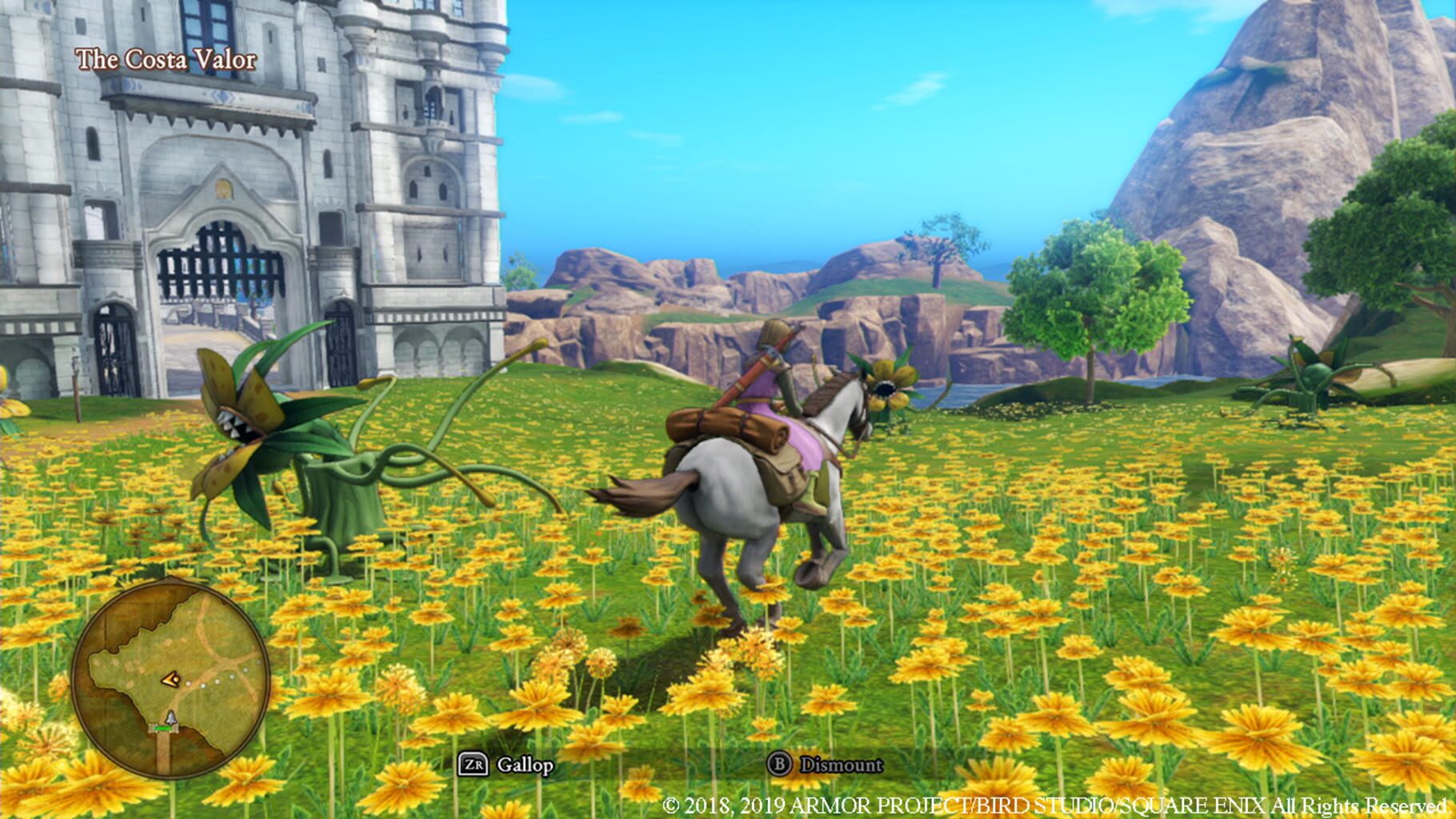 |

|
Dragon's Dogma: Dark Arisen | Action | Port of the sleeper-hit, Capcom-developed action-RPG. Features a limited open world in a medieval fantasy setting with a pretty mediocre story that picks up towards the end. It really shines for its combat, which incorporates elements of Monster Hunter, Devil May Cry, and even Shadow of the Colossus on top of a super-fun job system and AI-controlled party. | 
|

|
Final Fantasy VII / VIII Remastered | Active Time Battle | Physical release of two massively influential JRPGs. FFVII is a port of the PS4 remaster (not the Remake), while FFVIII is a brand-new remaster with HD textures and cleaned-up models. Both are classics of the genre (despite having their detractors), as long as you can put up with PS1-era gameplay conventions, turn-based combat, and lengthy campaigns. | 
|

|
Final Fantasy IX | Active Time Battle | Physical release of a fan-favorite entry in the JRPG series. Not a remaster, but does feature some mild improvements. A more nostalgic and fanciful entry in the series, reminiscent of the SNES classics, but with the same visual flair and showmanship that Square was known for during the PS1 era. A great option for 16-bit JRPG fans. | 
|

|
Final Fantasy X/X-2 HD Remaster | Turn-Based/Active Time Battle | HD remasters of the International releases of FFX and FFX-2 (plus Last Mission for X-2), both of which feature plenty of extra content and super-hard optional bosses. These are remembered as visually sumptuous JRPGs with extremely linear designs and questionable stories/voice acting, but are essential for fans of PS2-era JRPGs. | 
|

|
Final Fantasy XII: The Zodiac Age | Active Time Battle | Switch port of FFXII International Edition, which features various gameplay changes and improvements to the original game, and was (despite its title) never released outside of Japan. FFXII is a more "Westernized" take on the JRPG series, with a real-time party combat system, a beautifully-realized, free-roaming world, and tons of optional content. | 
|

|
Fire Emblem: Three Houses | Strategy/Life Sim | Three Houses continues the post-Awakening Fire Emblem tradition of forgoing challenging but engaging strategy gameplay in exchange for waifu wars. In this one you play as a silent protag who serves as a teacher at a Hogwarts-like academy where all the rich trust fund kids in this medieval setting come to learn. You choose between one of the three houses(hence the name) to lead and form relationships with the students of that house. As a result there are multiple paths for the story to take. The gameplay is pretty shallow compared to the older games but that isn't anything surprising anymore. Highly recommended you start on the higher difficulties. That being said, the Hogwarts waifu stuff is surprisingly fleshed out and the characters all carry interesting depth that surpasses any of the previous 3DS games. The story goes in some interesting directions too and it's actually worth it to try multiple paths(or at least look them up because a full run through of any path is at least 30-40 hours). All in all it's worth checking out, but a game with more mission variety and challenge combined with the waifu school stuff would have been way better than what we got. | 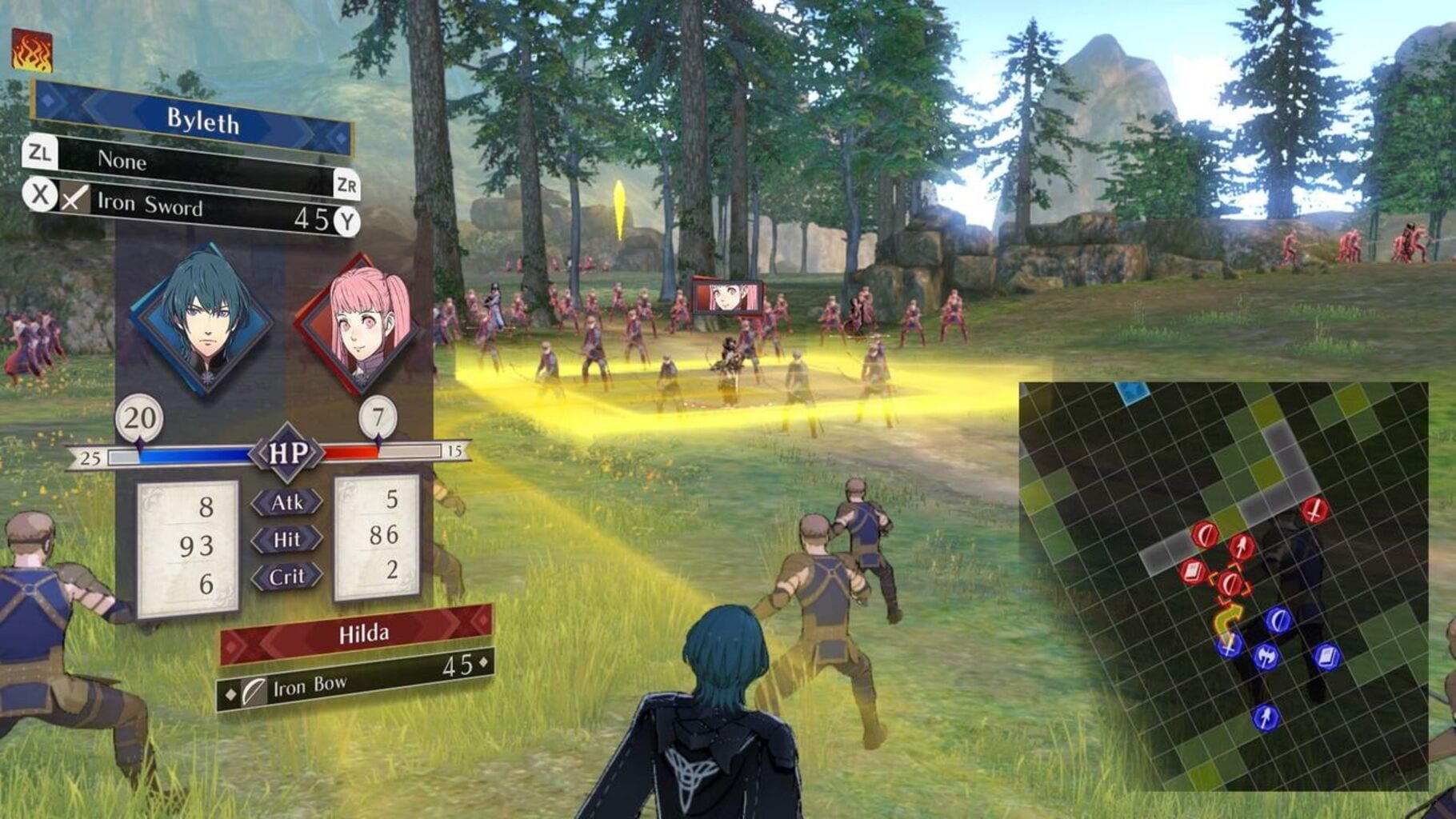 |

|
Live A Live | Turn-Based | Originally a Japan-only Super Famicom game, Live A Live was finally released out west with this HD-2D remake. The game follows seven main characters from different time periods with each chapter having different gameplay elements making them all unique. Reminiscent of Chrono Trigger. | 
|

|
NEO: The World Ends with You | Action | The long-awaited followup to the DS cult classic from Square Enix. Excellently translates the 2D touchscreen-based gameplay to a 3D face and shoulder button based system which allows to lots of party customization and experimentation with the different attack types and elements tied to fashionable buttons from the various clothing brands around Shibuya. The story takes place a few years after the events of the original game and The Final Remix expansion released later. You once again play as trendy japanese teenagers dragged against their will into a game of survival in order to save the city from destruction. Like its predecessor, it sold very poorly, so don't expect any more of these for a long time. | 
|

|
Octopath Traveler | Turn-Based | A solid old school JRPG with beautiful graphics and music. With eight individual plot lines and a multitude of side quests, there is a lot of content to devour. Possibly due to it being a Switch exclusive, the story seems designed from a "pick up and play" standpoint, for better or for worse. The plot lines can be too disjointed for their own good, but they are generally enjoyable individually with all of them being significantly different from each other. The method for solving a main story quest can get formulaic, unfortunately, though at least the side quests tend to be more creative in how they can be resolved. The battle system is pretty good, which is vital since you'll be spending a good time grinding to the recommended levels. While a bit hard at the beginning, it's pretty easy once you get a knack of the job system and the myriad of ways to abuse it, at least until the true final boss is found. | 
|

|
Octopath Traveler II | Turn-Based | Another HD-2D JRPG by Team Asano. Like the first game, it involves eight progtagonists coming together while going through their own individual stories before a finale that unites them all in one. The storytelling is vastly superior compared to the previous game, and characters actually have some overlapping between individual chapters. There are some new additions to the combat and job systems as well that add a little more depth to both. | 
|

|
Paper Mario: The Thousand-Year Door | Turn-Based | Remake of the classic gamecube RPG. Has some quality of life improvements and the translation was changed to be closer to the original Japanese version, but is otherwise still the same game often considered the best Mario RPG. | 
|

|
Persona 5 Royal | Turn-Based | You got an assault charge for punching out a rapist, forcing you to transfer to the only school that's willing to accept you. On top of that you've gained the power to access the hearts of the corrupt, and decide to steal their darkest desires with the power of your Personas.
Arguably the best entry of the Persona franchise, and widely considered one of the best JRPGs of all time, Persona 5 takes its tried and true formula and adds a fun Lupin the Third style heist element to keep things interesting. With gorgeous art design, a dark, gripping story, a monstrous length (over a hundred hours for the main story alone!), a bounty of sidequests, and a rock solid battle system, Persona 5 must not be missed.
|

|

|
Pokémon Legends: Arceus | Monster Sim | A refreshing take on the Pokémon formula, taking place in a 19th century Sinnoh region from Diamond & Pearl. Cool new systems include a Breath of the Wild-esque open world, tweaks to combat, catching Pokémon right on the overworld and incentives for catching as many of them as possible. Dull graphics and a lack of multi-player sour the experience, but this is still the most exciting Pokémon game in years. | 
|

|
Shin Megami Tensei III: Nocturne HD Remaster | Turn-Based | Enhanced port of the PS2 JRPG classic. Boasts the moral path-based storytelling of mainline Shin Megami Tensei, informed by Christian eschatology and Zoroastrian mysticism. Devilishly challenging, turn-based combat system where you recruit and fuse demons to fill out your party. Stylish, minimalist presentation. Dante DLC sold separately. | 
|

|
Shin Megami Tensei V: Vengeance | Turn-Based | A rare mainline entry in the Shin Megami Tensei JRPG series. A stylish post-apocalyptic adventure with tough, turn-based combat and demon recruitment/fusion systems. Features more explorable stages and a more fleshed-out cast compared to previous entries, but don't expect Persona-style anime hijinks. Vengeance includes an all-new story path which diverts from the original plot and offers a much improved story and more interesting characters, as well as new side missions and boss fights. You can also play the original plot of SMTV if you want to see that content as well. There are also a handful of quality of life improvements, especially to the open-world exploration. | 
|

|
Super Mario RPG | Turn-Based | A remake of the beloved Squaresoft SNES classic. Includes new gameplay mechanics and cutscenes alongside sterilized visuals and new lower difficulty options. Might not be preferrable compared to the original, but it is a solid option for new players and makes for good nostalgia for fans of the original. | 
|

|
Tactics Ogre: Reborn | Strategy | A remaster of the 2010 PSP remake of the 1995 SNES strategy RPG classic. Micromanaging your team is now easier as units level individually. New controls and smarter AI make combat way less arduous and more engaging, making this the definitive version of the game. | 
|

|
Trials of Mana | Action | After 25 goddamn years, Square has resurrected a LEGEND. A complete 3D remake of 1995's JP ONRY Seiken Densetsu 3 for the Super Famicom / SNES. Already an absolute classic, Trials' combat system has been completely overhauled, and is satisfying, if a bit repetitive early on and easily cheesed in the postgame. If you want any sort of challenge whatsoever, you'd better be playing Hard mode.
For newcomers, Trials is a fairly straightforward ARPG, except that you choose your playthrough's three main characters out of a roster of six, and the plot changes in both subtle and drastic ways depending on your party composition. For fans of the original, Trials is incredibly faithful in terms of plot, art direction, level design, and audio, the last of which includes beautiful arrangements of Kikuta's second masterpiece. Trials includes brand-new postgame content with a new dungeon and a FOURTH CLASS, as well as resolution for most of each main character's unresolved plot points. |

|

|
Triangle Strategy | Tactics | A tactics RPG with the same "HD-2D" visual style as Octopath Traveler, with turn-based strategic combat and class-based promotions similar to Fire Emblem or Final Fantasy Tactics. A solid entry in the genre with a compelling dynastic story and gameplay that suffers from bloat/tedium in the latter half. | 
|

|
Unicorn Overlord | Tactics | Strategy game by Vanillaware, inspired by the Ogre Battle series. Combat takes place in real time with the ability to pause, and battles play out based on unit attributes. Contains over 60 unique units. There is also an overworld and towns to explore and upgrade your units in, as well as partake in optional battles. Contains the gorgeous art and visuals Vanillaware is known for. | 
|

|
Valkyria Chronicles 4 | Strategy | A return to consoles for Sega's series, which combines turn-based tactics with real-time combat in a fantasy-steampunk setting. Is the best game in the series since the first, and playable without knowing anything about the previous games. Pleasant, toon-shaded style and compelling squad-based gameplay. | 
|

|
Xenoblade Chronicles Definitive Edition | Action | Remake of the sleeper-hit Wii JRPG, with revamped, more explictly "anime" visuals. A free-roaming sci-fantasy adventure with large, explorable environments and real-time, party-based combat. Solid story and compelling setting. Captures a real sense of adventure. Features some new story content as well. | 
|

|
Xenoblade Chronicles 2 | Action | Since the backlash the last game took for being too focused on exploration, the guys from Monolith went for a more story-driven game, just like the first. Probably the best standard JRPG experience you'll get on Switch.
Now with 300% more big anime tiddy. Be warned that you'll expend a lot of time playing having no idea how the battle system works (that freaking topple mechanic, I'll tell you what). |

|

|
Xenoblade Chronicles 3 | Action | Ditches the Blades system and rng elements from 2 but retains the anime stylings. The story revolves around an endless war where soldiers are lab-grown with a limited lifespan. Thematically similar to the previous games in the series, including an open world for exploration and a lot of sidequests, but now you can control up to seven swappable party members at a time in combat. | 
|

|
Xenoblade Chronicles X Definitive Edition | JRPG | A remaster of one of the last vestiges of the WiiU's library not already ported to the Switch. Features a heavier gameplay focus than the mainline series, as well as notably featuring controllable mechs, akin to Xenogears. Definitive Edition features additional story content and improved graphics. | 
|
Digital
[edit | edit source]| Cover | Title | Style | Description | Screenshot |
|---|---|---|---|---|

|
Astlibra Revision | Action | 2D action RPG developed by a single japanese salaryman in his free time because he felt there weren't enough games in his favorite genre. Features amazing combat with multiple build styles and deep endgame.
Also available on PC. |

|

|
Astlibra Gaiden: The Cave of Phantom Mist | Action | Originally released on PC as DLC for Revision, this was put out as a standalone spinoff on Switch. This is essentially a rogue-like based on the endgame of the original where you play as the baker's daughter as she delves into randomly generated dungeons. Has a heavier emphasis on the great gameplay. Definitely pick this up if you liked Revision. | 
|

|
Chrono Cross: The Radical Dreamers Edition | Turn-Based | A remaster of the PS1 game. Features over forty obtainable party members, a grinding-free level-up system, and a philosophically-inclined story. Very easy. Sublime ambient soundtrack and gorgeous, pre-rendered stages with dreamlike art direction. A controversial and ambitious game. The remaster comes with AI-generated background upgrades and newer models, but there is an option to stick with the classic graphics. Also features the Radical Dreamers prequel visual novel in its first western release, which helps bridge the gap from Chrono Trigger than the original release ever had. There is a very limited physical copy out there. | 
|

|
Front Mission 2 | Strategy | This entry in the classic mech RPG series finally sees a release outside of Japan in the form of this remake. Taking place over a decade after the first game, the story follows the perspective of three characters fighting in a coup attempt of the OCU state from the first game's campaign. Greatly improves on the famously bad loading times from the original game, and comes with a full in-game translation, which was never achieved even by fans of the series with the PS1 version. | 
|

|
moon | Adventure | Originally release in 1997 in Japan only, moon is kind of an anti-rpg. You basically follow the footsteps of a typical JRPG hero, who has gone from town to town killing animals for xp and breaking into houses for items. You have to go around and save those animals' souls and lift the spirits of the dejected villagers. Quirky and charming, but has some antiquated mechanics that come with ambitious games like this. | 
|

|
Persona 3 Portable | Turn-Based | Port of the PSP version of the original Persona 3, with further new features such as difficulty selection and quicksaving. This game features a school life/dating sim portion where you establish relationships that influence your party's abilities. The other half is dungeon crawling, featuring a streamlined version of the Press Turn system from Nocturne. Probably the preferred way to play the non-remake version of the game. | 
|

|
Persona 4 Golden | Turn-Based | Port of the Vita version of the acclaimed RPG. This time you're the new guy in a sleepy, rural town solving a supernatural murder mystery with your Persona-using friends. It's more unabashedly Japanese than P3, as you will quickly discover, and takes even more time time to get going than its predecessor. | 
|

|
Romancing SaGa -Minstrel Song- Remastered | Turn-Based | Port of the PS2 remake of the original Romancing SaGa on the SNES. Choose between one of eight possible protagonists before the world opens up for expansive exploration with little guidance. The remaster includes additional features not present in the PS2 remake, including new recruitable characters, enhanced bosses, and new game plus. | 
|

|
Romancing SaGa 2 | Turn-Based | Awesome remaster of the classic Super Famicom RPG, now fully in English! A 3D remake, 'Revenge of the Seven', is forthcoming. | 
|

|
Romancing SaGa 3 | Turn-Based | Much like Romancing SaGa 2 above, this remaster of the original Super Famicom classic from Square finally releases outside of Japan. Follows the same format as the previous games. This includes selecting from a handful of possible protagonists, a wide range of player choice, and character growth not being tied to a traditional leveling system. | 
|

|
SaGa Frontier Remastered | Turn-Based | A remaster of the first PS1 SaGa game. Highly customizable characters and a fast-paced battle system; suffers from high difficulty. This remaster includes content that was cut from the original PS1 release, as well as a new selectable protagonist. | 
|

|
Valkyria Chronicles | SRPG | Port of the PS3 strategy RPG. Allows you to manually control each unit on their turn, in third-person shooter form. A very anime story that dips into drama, romance and comic relief with a pseudo-magical wartime backdrop. Every recruit has their own traits and personality. Pleasant watercolor-like visuals and sound effects. Definitely a successful genre experiment with somewhat unbalanced difficulty (leaning towards overly easy), worth a look for SRPG or RPG fans. 2 is stuck on the PSP and 3 never came out in the west. See above for 4.
|

|
Sega
[edit | edit source]Master System
[edit | edit source]
| Cover | Title | Style | Description | Screenshot |
|---|---|---|---|---|

|
Miracle Warriors: Seal of the Dark Lord | Turn-Based | One of the first JRPGs to make it to outside shores. Even before Final Fantasy and Dragon Quest! It's also damn hard too. That said, it's mostly fair, even if it lacks the pizazz of Phantasy Star. You'll probably want to use a guide. If you know Japanese and are a hardcore collector, you'll totally want the original version. | 
|

|
Phantasy Star | Turn-Based | The first game made of the Phantasy Star franchise. A classic RPG with cool pseudo-3D maze dungeons. Features a mix of sci-fi and medieval fantasy themes that works quite well. Impressive for its time due to its great graphics, music, and story and it still holds up today. It's a bit on the hard side though. Protip: Get the Japanese version and apply the re-translation patch [1] for a less compressed story and better music. The FM music seriously blows away the alternative. Not to mention the naming is more in-line with the rest of the series. | 
|

|
Ys: The Vanished Omens | Action | The first chapter of the Ys saga. Unlike later ports, remakes, and rearrangements, this is a bit bare-bones. It is also one of the harder versions. "Attacking" requires you side-swipe your enemies, as rushing forward hurts (mostly) you and (less so) your foe. A neat little epic that looks great, plays well, and has a great soundtrack. I highly advise you to utilize its FM option, it sounds absolutely great. | 
|
Mega Drive / Genesis
[edit | edit source]
| Cover | Title | Style | Description | Screenshot |
|---|---|---|---|---|

|
Landstalker | Action | Think isometric Zelda, but puzzles require more logic and less gadgets. You can also jump. The controls take a bit of time to get used to, but once you get them down, you'll be set to enjoy this mighty fine game. The team members who made this went on to make similar games, such as Dark Savior and Alundra. | 
|

|
Phantasy Star II | RPG | The first 16-bit Phantasy Star. A number of things have been removed or added since the original, but for the most part, everything has been improved. Although a bit old, it is an RPG with some strongly emotional scenes, which makes up for the difficulty. For a very early title, this game has some pretty impressive visuals. But try the modernization patch for a nicer, less brutal experience. And if you don't have the bundled hintbook, use these maps. | 
|

|
Phantasy Star III: Generations of Doom | RPG | The "black sheep" of the Phantasy Star series. Several things here work unlike any other entry. One interesting aspect is that at end of the first two "generations" of heroes, you'll choose who to marry. This affects your child's stats and abilities, alters what adventures they go on, and adds replayability as well. Sadly, previous generations do NOT help their kids (due to plot restrictions), but your two robot pals are always ready to help any generation combo. An EASY MODO patch is available here and makes the experience much more accessible and enjoyable. | 
|

|
Phantasy Star IV: The End of the Millennium | Traditional Turn-Based | The most refined of the classic PS series, adding in-party talks, macros, spell/skill combos, faster-moving everything, and more. You don't need to play the past games to enjoy this, though it may dull the impact of some connections if you don't at least read up on them first. This team would later make Skies of Arcadia on Dreamcast, which is also great. Beware level 99 without a patch or cheat device to fix the bug. |

|

|
Shining Force | Tactics | Arguably, Sega's answer to Fire Emblem. Both have units with different stats, classes, abilities, and promotions. However, Shining Force has out-of-battle exploration of towns and battlefields to stock up and meet new allies, instead of everything done mid-battle. This has harder odds at times, but is more forgiving as there's no perma-death. The Shining series has great music, decent visuals, and a unique flair that's been spun-off into other games and genres under the its name. This also had a vastly improved remake on the Game Boy Advance. | 
|

|
Shining Force II | Tactics | This is even longer than the first! Exploration has a stronger role with some more freedom. Some classes have alternate promotion options as well. The soundtrack variety is not as strong as the first, and some of the more chatty characters are a little annoying, but the gameplay is much improved, including the difficulty. Not to mention the visuals are vastly superior to the previous games and are some of the best on the whole system. This later had a Game Gear prequel, Shining Force Gaiden: Final Conflict, that ties some loose ends between this and SF1 (and hints at Shining in the Darkness). Shining Force III is on Sega Saturn. | 
|

|
Shining in the Darkness | Dungeon Crawler | Dungeon crawler that started 'Shining' franchise. Visuals really aren't the series best, though they display the well-known whimsical fantasy in character and monster designs. Not so hard for a crawler, but the mazes are somehow complicated, challenging, and have a number of secrets to find. Has some really cool music as well, though the normal battle theme can get annoying. A spiritual sequel/spinoff, Shining the Holy Ark was released on Sega Saturn and is also pretty good. | 
|

|
Warsong | Tactics | The first in the Langrisser series. Great tactics game, with deep gameplay, epic battles, and lots of unit-types. Mechanics are based around commanders and their armies, like a fusion of Fire Emblem and Famicon Wars. Commanders are stronger and level up, but your grunts are generic fodder, meant for protection (they get slight buffs when near their commanders) and taking out other grunts. It's kinda basic in story and dialog, but great in terms of strategy and colossal battlefields filled with troops. Hidden gem as the series wasn't otherwise released in US and Europe. The sequel, Langrisser Hikari/Der Langrisser, blows this away. Inspired The Battle for Wesnoth. | 
|
Mega-CD / Sega CD
[edit | edit source]
| Cover | Title | Style | Description | Screenshot |
|---|---|---|---|---|

|
Dark Wizard | Tactics | A tactical RPG that has a few resemblances to Fire Emblem. | 
|

|
Lunar: The Silver Star | Turn-Based | This version of Lunar is extremely different from its remakes. It features story events and music not seen elsewhere. However, it was quite revolutionary for its time, with its great story and characters with real personalities and desires. Worth a shot, even if you've played the remakes.
Note: use the Un-Worked Designs patch to undo the censorship and difficulty increase of the WD localization. |

|

|
Lunar 2: Eternal Blue | Turn-Based | This version is only slightly different from its remakes. Honestly, the remakes have changes done for the better. Unfortunately, they're expensive and rare as hell now. This is an entirely acceptable alternative. It looks great, sounds great, and plays more like conventional Lunar games. It also has great characters and music, just like the first.
Note: use the Un-Worked Designs patch to undo the censorship and difficulty increase of the WD localization. |

|

|
Shining Force CD | SRPG | A great package that contains enhanced ports of the first two Shining Force Gaiden titles for Game Gear. IN ENGLISH! These games are spin-offs taking place between Shining Force 1&2, this is simply a must own. It even has some extra content not found in either. Sadly, towns weren't expanded to full levels of SF1+2, but with music rearrangements THIS good, who cares? Your only option to play Final Conflict in English is through a translated Game Gear rom. Note: You will need some form of external storage to access the extra scenarios since the Sega CD's internal storage can't handle the massive save files. |

|

|
Vay | Turn-Based | A somewhat basic, but still well done RPG, mostly thanks to the efforts of Working Designs. The game is a little generic, but the characters and voice acting are very well done. CD-audio music helps a lot too. There is also an iPhone edition out as well, complete with voice acting, too!
Note: use the Un-Worked Designs patch to undo the difficulty increase of the WD localization. |

|
Saturn
[edit | edit source]
| Cover | Title | Style | Description | Screenshot |
|---|---|---|---|---|

|
Albert Odyssey: Legend of Eldean | Turn-Based | A turn-based RPG about some kid, Pike, who saw his parents get assraped by monsters when he was an infant and afterwards he was raised by furries (harpies). Then, his adopted sister is turned to stone and it's up to him and a TALKING SWORD to find the cure and stop those evil magicians from turning the world's races against each other and resurrecting the ancient god, Vlag. YOU KNOW YOU WANT THIS GAME. | 
|

|
Panzer Dragoon Saga | Real-time/Turn-Based | Free roaming exploratory levels either on foot or by dragon with loads to do. Your dragon evolves here too like in Zwei and Orta. Battles are turn based but with real time maneuvering that lets you angle attacks and perform certain strategies and may include multiple enemies that generally have multiple points which you can combat using your attacks, items, or berserks (spells).
This baby usually goes for well over |

|

|
Shining Force III | Tactics | Things are tense between a newly independent republic and the empire to which it used to belong. But subversive forces are trying to push them into war. Actually the US version is just the first scenario out of three that came out in Japan. The localization had some changes so people wouldn't realize they were getting only a fraction of the full story; get the retranslation patch to undo that. And then the translations for the other games (or just get the patched ISOs from CD Romance). |

|

|
Shining The Holy Ark | Turn-Based | First-person RPG. Has similarities to Golden Sun in various animations, music, and atmosphere. | 
|

|
The Legend of Oasis | Action | Successor and Prequel to Beyond Oasis on the Genesis/Mega Drive. Has similar concepts of utilizing elemental spirits. | 
|
Dreamcast
[edit | edit source]
| Cover | Title | Style | Description | Screenshot |
|---|---|---|---|---|

|
Elemental Gimmick Gear | Action | You play an egg-shaped robot recently dug out of a ruin and re-activated, now trying to uncover your past. A Zelda-like overhead action-RPG with impossibly pretty hand-drawn environments. Good luck getting past those gates, you'll see. Boss battles are 3D arena battles, by contrast. A great, underlooked DC title. | 
|

|
Evolution | Turn-Based/Roguelike | Lighthearted JRPG that has you trying to get out of debt by exploring randomized dungeons filled with traps and finding artifacts and treasure. Typical JRPG turn based combat, now with 50% more status effects. Was joint to its sequel and ported to the GCN as a single package, but this, the first game, was substantially stripped down. | 
|

|
Grandia II | Turn-Based | Though unrelated story-wise, Grandia II follows its PS predecessor in spirit. The protagonist is refreshingly sarcastic and distrustful of the various, colorful characters who join his party, all of which have their own charms. Once again, the character-driven story and battle system, which combines active-time battles with turn-based strategy, are the main draws. Gets sappy towards the end, but who cares.
Ported to PS2 (with bugs) and PC (bugs fixed). As of 2015, an enhanced version is for sale on steam, this includes the option to select the original Japanese voice track, and texture enhancements! Fucking get this shit, Dreamcast or PC. |

|

|
Skies of Arcadia | Turn-Based | One of the best JRPGs of its generation, which follows the exploits of womanizing, skyfaring steampunk pirate Vyse, who explores airborne islands and engages in large-scale airship battles with his crew, along with standard JRPG combat. Everything about this game is immensely enjoyable and a treat for fans of the adventure anime-inspired JRPG. The rare GCN port (Legends) is the definitive version thanks to better graphics and extra content (including a whole new character arc), despite having inferior music quality. Play this however you can. | 
|
Sony
[edit | edit source]Playstation
[edit | edit source]
| Cover | Title | Style | Description | Screenshot |
|---|---|---|---|---|

|
Alundra | Action | A Zelda-esque overhead action-adventure with light RPG elements where you play as a boy who can explore people's dreams. It's visually pleasant, there's lots of secrets to uncover, and the well-told story has some refreshingly somber tones. However this game is much more puzzle-intensive than your average Zelda, and some can get frustratingly hard. Expect some silly out-of-place dialogue courtesy of Working Designs. The sequel went 3D, is unrelated plot-wise, and opinions on it are mixed. Dual Hearts (PS2) is a spiritual sequel by the same team.
Note: use the Un-Worked Designs patch to undo the difficulty increase of the WD localization. |

|

|
Arc the Lad Collection | Strategy | A fantasy RPG trilogy localized by Working Designs, with a monster arena/casino side-game thrown in. The first game is a basic but satisfying adventure with grid-based, SRPG-style combat. The second game follows the first directly (but has you play as the first game's antagonist), refines the combat, is much more expansive, has an excellent story, and is the best overall. The third game is an unnecessary and uninspired regression to the first that the team originally didn't want to do, but is still "okay." The three can be bought separately on PSN. | 
|

|
Azure Dreams | Roguelike/Monster Collecting | Explore a tower of randomly-generated floors and slay monsters in roguelike-style combat, where death means the loss of items and progress. Outside of the tower you can hatch and raise companion monsters, help build up your town, and indulge in a limited dating sim feature. The sprite work is kind of ugly, but it has that PS1 RPG charm. Ported to GBC with trimmed social sim features, but additional floors to explore in the tower. | 
|

|
Breath of Fire III | Turn-Based | A traditional, turn-based JRPG set in a fantasy world populated by anthropomorphic beings. Features limited character customization, and side-activities such as fishing and raising a fairy village. Beautiful sprite work and fluid combat transitions. Very long, even for a JRPG. Regularly considered the best entry in the series. Ported to PSP (PAL/JP-only). Gameplay. | 
|

|
Breath of Fire IV | Turn-Based | A traditional, turn-based JRPG similar in most ways to its predecessor, but with a more Far East-inspired setting. Features a less focused story, but a more memorable villain. Activities like fishing and the fairy village return, while combat is more fast-paced and streamlined. Once again, beautiful sprite work and animations. A fan-favorite. Also on PC. Gameplay. | 
|

|
Brigandine: The Legend of Forsena | Strategy | A highly replayable SRPG; pick one of six nations and take over the continent with your knights and monsters. Each nation has its own ruler and story, and the AI is competent. A 2000 re-issue made the evil nation playable and added a "true" final boss, but is Japan-only. (English patch for Brigandine Grand Edition exists here) | 
|

|
Chrono Cross | Turn-Based | An experimental JRPG with only loose connections to Chrono Trigger. Features over forty obtainable party members, a grinding-free level-up system, and a philosophically-inclined story. Very easy. Sublime ambient soundtrack and gorgeous, pre-rendered stages with dreamlike art direction. A controversial and ambitious game. Trailer. | 
|

|
Digimon World | Monster Collecting | Essentially, this amounts to Tamagotchi with a lot of exploration. The "Digimon World" is a huge land with tons of secrets. The goal of the game is to recruit Digimon to revive File City. Although a bit unforgivably difficult at first, once you start recruiting some Digimon, the game is extremely addicting.
Has a direct sequel on the PSP. |

|

|
Digimon World 2 | Dungeon Crawler/Monster Collecting | Digimon World 2 is a good sequel though very different. It's a dungeon crawling RPG where you can recruit different Digimon to fight for you(up to three per battle). What's interesting is that there's a cap for each Digimon and to raise that cap you have to start fusing them ending up with a different party all the time. Features "SD" graphics instead of the "realistic" (?) designs of 1 and 3. | 
|

|
Digimon World 3 (Digimon World 2003) | Monster Collecting | Digimon World 3 is a run-of-the-mill RPG. Not bad, but load times do hurt it. The EU version is better since you can keep playing after the ending. Features a rather limited cast of playable Digimon compared to the first two and borrow quite a few elements from the portable Pokemon games, like "Gym" battles. | 
|

|
Dragon Seeds | Monster Collecting | In a world flooded by global warming, scientists discover dragon-like creatures long frozen in the now-thawed Antarctica, which are cloned and spliced, resulting in many races of beasts used in battles for profit and sport. A monster-raising sim with more customization than usual, and an engrossing time sink. | 
|

|
Dragon Warrior VII | Turn-Based | A famously huge game at its time of release, even for the Dragon Quest series. DWVII didn't make any massive changes to the tried-and-true formula of the franchise, though it features an especially lovable cast of characters and a remarkably put-together story, even if it's muddled by all the padding. The game has you constantly traveling between the past and present, which can lead to a lot of boring back-and-forth, but most back-tracking can be avoided through shortcuts. Though it has a really slow first couple hours and generally requires patience (especially for the Dharma Temple), it's worth sticking with if you have the time. Series newcomers may struggle with it. Remade for 3DS, with revamped graphics, streamlined gameplay, and a bit less padding. (Recommended!) DQVIII is on the PS2. Gameplay. | 
|

|
Eternal Eyes | Strategy | A very basic SRPG in the style of Final Fantasy Tactics where you fuse magical gems to an army of puppets to shape their skillset; you can also combine them to form stronger units, but this system is very unreliable and sometimes results in weaker ones. While the presentation is lacking and the story is boring (often with 5-6 battles between any story scenes), controls are tight and combat is solid at its core (with an overall low level of challenge), sure to satisfy anyone desperate for more of that rare FFT-style action on the console. | 
|

|
Final Fantasy VII | Active Time Battle | A turn-based JRPG with an innovative, fantasy steampunk setting and an emotional story. Its unique art direction, memorable character designs, and excellent soundtrack have made it a classic of the genre. Features limited character customization and lots of side-content, including two optional party members and several optional bosses. Also on PC and iOS. An action-RPG remake is in the works for PS4. | 
|

|
Final Fantasy VIII | Active Time Battle | SquareSoft was under a lot of pressure to follow up FFVII, (see here. ) and what resulted was a strange game with a grandiloquent central romance, crazy (and beautiful) sci-fantasy settings, and a Draw system that still has the fandom split. It seems like Square tried to one-up FFVII in every way and came up with a game that is very inconsistent, but interesting. Has its diehard fans and haters. Worth at least a try for series fans. Gameplay aside, the music is some of the best in the entire FF series. Uematsu delivers some amazing piano work , waltz and the always amazing boss battle theme that get's your heart pumpin' .
Still not enough? Watch this and decide for yourself. |

|

|
Final Fantasy IX | Active Time Battle | With the changing aesthetics and themes of FFVII and VIII, this game was a return to the lighthearted fantasy of the NES/SNES titles, with more cartoony characters and lots of callbacks to FFI-VI. A solid game with a shiny coat of nostalgia. Trailer. Gameplay. | 
|

|
Final Fantasy Anthology | Active Time Battle | A collection of Final Fantasy V and VI with some new features and cutscenes. Was the first time V released in the USA with an authentic translation. Has some sucky load times for battles. FF V Gameplay.FF VI Gameplay. | 
|

|
Final Fantasy Chronicles | Active Time Battle | A collection of Final Fantasy IV and Chrono Trigger with new features and cutscenes. Get ready for shitty, 15-second battle loading-times in CT. The DS version of CT is this one with instant loading and some new features, so that's the recommended choice if you'll be playing CT. However, this is the purest release of FFIV, in that it most resembles the Japanese SFC original. The GBA and DS ports add new features, though. Trailer. | 
|

|
Final Fantasy Origins | Turn-Based | Collects Final Fantasy and Final Fantasy II on the PlayStation, with improved graphics and some extra content. The GBA port was a more complete remake; same with the PSP, although those were sold separately. Still a decent collection. FF I Gameplay. FF II Gameplay. | 
|

|
Final Fantasy Tactics | Strategy | A grid-based SRPG set in Ivalice and penned by Yasumi Matsuno. The job system is addictive and fun, but somewhat nullified by the broken characters you recruit later on. The story revolves around political unrest and clashing ideologies, but later devolves into DEMONS! fare. It is still an engrossing SRPG. FFVII's Cloud can be recruited. The translation's quality is infamously sketchy. Ported to PSP (FFT: War of the Lions) with a re-translated script and a couple new jobs and characters. | 
|

|
Front Mission 3 | Strategy | Square's Front Mission series usually stays in Japan on account of being about international politics and giant robots, but this game was very competently localized. Play through two different scenarios (each one over 30 hours long) witnessing a conflict from different sides, where characters do the best they can in a morally ambiguous setting. Combat is grid-based and turn-based, where you use skills and strategy to destroy enemy robots' body parts, and can even eject your pilots to hijack your opponents' machines. Robot customization is a deep and essential part of progressing. If you can get past the ugly, muddled combat visuals and stiff animations, you'll find an engrossing game.
The sequel is on PS2. Warning: Emulating this (excluding Sony's official PS1 emulators) carries the risk of encountering bugs that will prevent you from finishing the game. Refer to this guide to prevent these issues. |

|

|
Grandia | Active Time Battle | Fantasy JRPG with a thrilling combat system that combines real-time action with pausing for commands, and emphasizes timing. The story is heavily character-driven and imbued with a sense of warmth that is similar to the LUNAR games (they share the same developer). Very easy, and lacking in optional content. Originally released on the Saturn (JP-only) with slightly nicer graphics. Trailer. | 
|
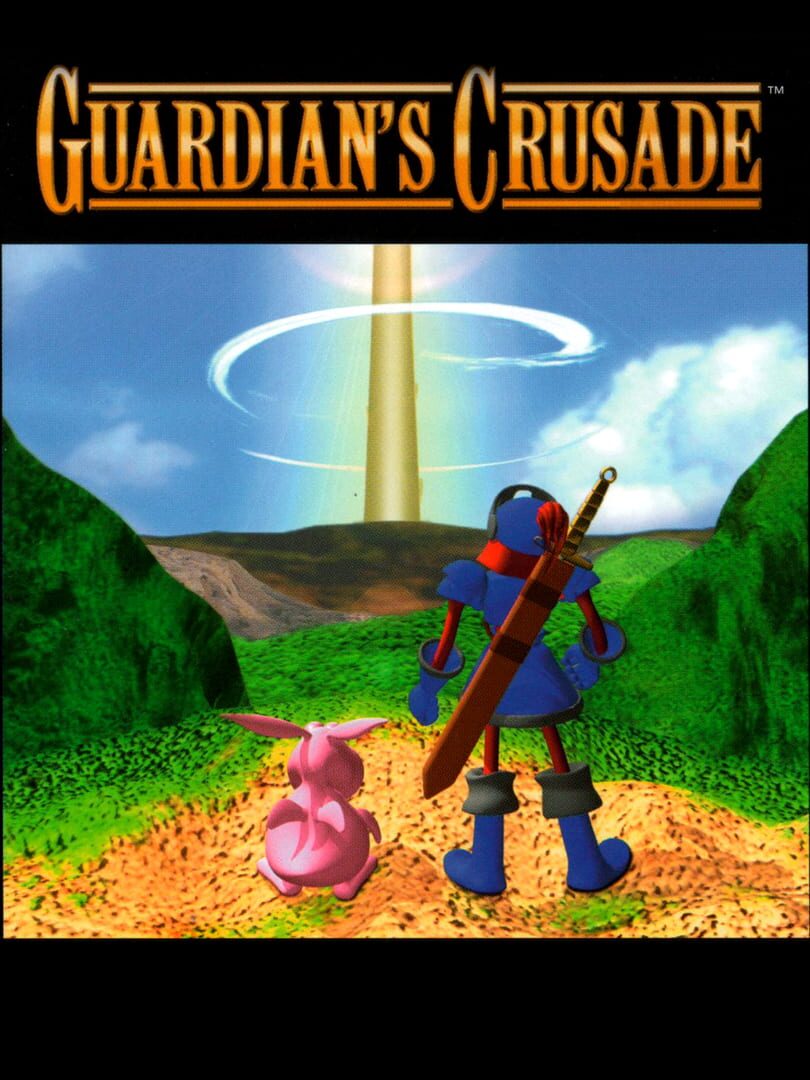 |
Guardian's Crusade | Turn-Based | Raise a baby pig-thing that can morph into various enemies you defeat, and take it to a tower on the other side of the world. Collect toys and send them into battle mons style. Raise the little thing well or it won't just be the other monsters you'll have to worry about. | 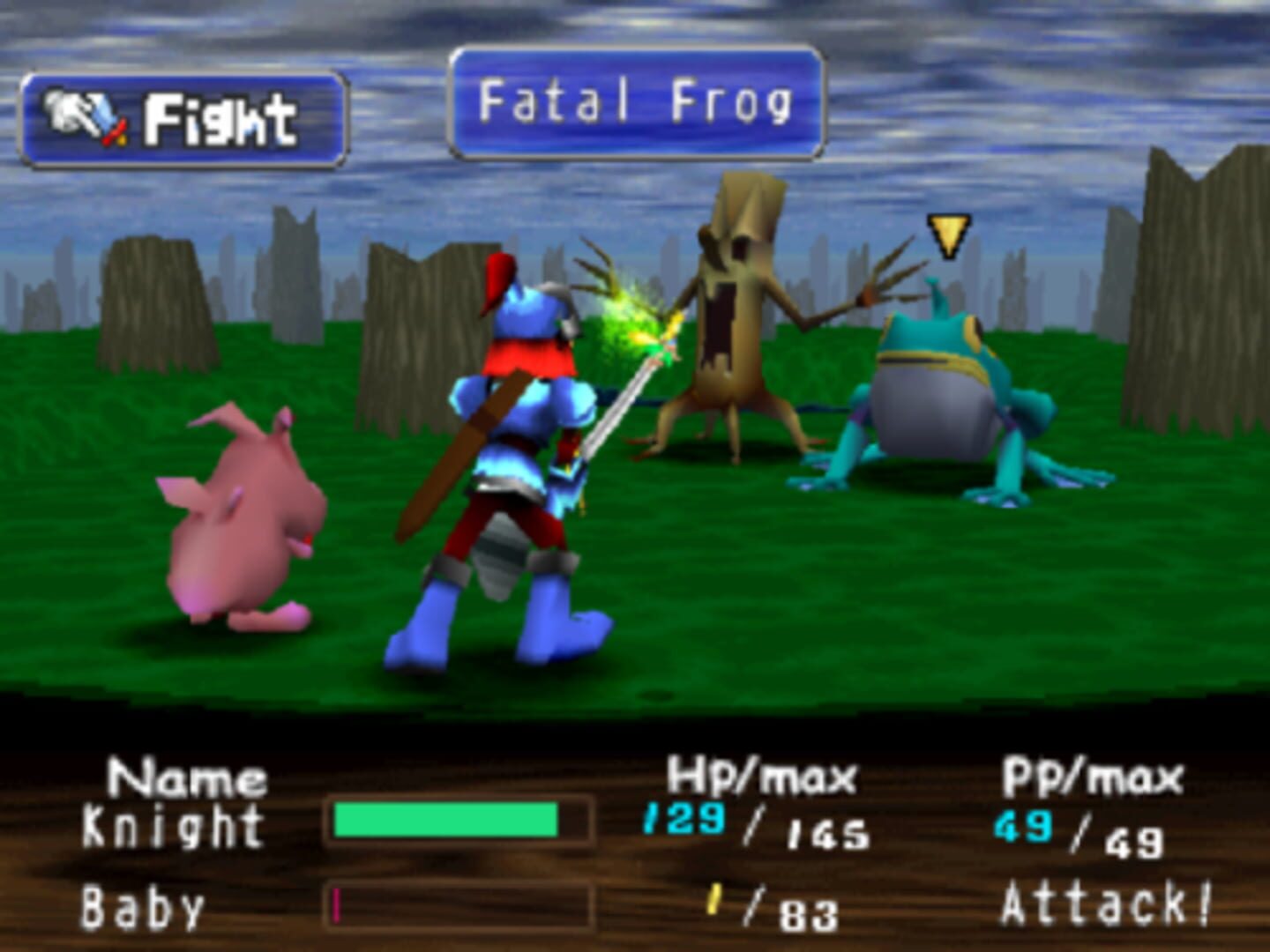 |

|
Kartia: The Word of Fate | Strategy | An obscure SRPG with character designs by Final Fantasy's Yoshitaka Amano. Entirely linear, you play through two separate stories with different protagonists which eventually intertwine. Summoning and upgrading your troops all revolves around Kartia, magical cards. Very tense and melodramatic plot. | 
|

|
Kagero: Deception II | Tactics/Tower Defense | The unique Deception series revolves around setting up deadly traps in your castle to kill uninvited guests in the most points-racking way possible. This time traps can interact with each other for combos, and there are multiple endings. | 
|

|
King's Field (Kings Field II) | Action / Dungeon Crawler | Actually King's Field II in Japan, as the first game was never localized (but has been fan-translated).
King's Field is FromSoftware's second title. Its also the grandaddy of Demon's/Dark Souls, and has the same claustrophobic, dreadful atmosphere and sadistic difficulty. You are shipwrecked on a cursed island with no backstory (unless you read the manual) and have complete freedom to progress, which is made by finding keys, secret doors and new weaponry. The aged graphics and rudimentary, first-person interface haven't dampered its charms, but it's not for everyone. The European release, released last, has a locked framerate while the NTSC ones don't. If nothing is happening, game will run at 30fps. And when there's enemies and other shit on screen, it'll drop in to the single digits. |

|

|
Legend of Legaia | Turn-Based | The world has been covered in evil mist, and it's up to you to go from town to town figuring out ways to push it back and ultimately, destroy the Mist Generators in each region. A beautiful 3D RPG with lots of great extras, and a wonderful fighter-like combat system, which allows each playable character to perform several special moves right from the moment you recruit them (Think Sabin from FF6, but without knowing the commands right off the bat). As you level up, the amount of moves you can perform per turn increases and more powerful\complex combos can be executed. Also features a "Magic" system that involves copying the abilities of regular critters and using them in your favor. Definitely give it a shot. Sequel on the PS2, but that one doesn't really live up to the original. Gameplay. | 
|

|
Legend of Mana | Action | Atmosphere: the Game. Another way of describing it is Side Quests the game, almost all quests feel like side quests, but actually contribute to the main story while usually leading you to the ending, all without you knowing it. The harder modes are absolutely beyond brutal. | 
|

|
Lunar: The Silver Star Story Complete | Turn-Based | Enhanced port of a SEGA CD game. Classic JRPG adventure with a lovable cast and vibrant setting. Excellent score and highly entertaining writing, well-localized for its time (though the team took some liberties). Developed by Game Arts, also behind the Grandia series, which has much of the same "kids on an adventure" vibe. Traditional, turn-based combat system with some limited tactics. Not a hardcore RPG, but one for fans of heartwarming stories. Received GBA and PSP ports, both inferior to this version. Gameplay.
Note: use the Un-Worked Designs patch to undo the difficulty increase of the WD localization. |

|

|
Lunar 2: Eternal Blue Complete | Turn-Based | Enhanced port of a SEGA CD game. Distant sequel to LUNAR, with a new core cast but similar story beats and writing. Turn-based combat also returns without major changes, though the game as a whole is harder. The tone is also more serious, though with lots of room for humor. Make sure to play the Epilogue after the credits! The series ends here, though there was a mediocre, Japan-only Saturn spin-off (Mahou Gakuen) and a horrendous DS prequel (Dragon Song). Gameplay. | 
|

|
Monster Rancher 2 | Monster Collecting | A monster raising game with a fun battle system, Monster Rancher 2 improved upon every aspect of the original. You can create new monsters by inserting any CDs. If you play it on PS3, you can even use DVDs and Blu-Ray discs! Monster Rancher 4, on the PS2, is the definitive sequel to this, allowing you to raise multiple monsters at the same time, go in adventures with them and featuring some of the coolest designs in the series.
Called simply 'Monster Rancher' in PAL regions because the previous game was not released there. |

|

|
Ogre Battle: The March of the Black Queen - Limited Edition | Strategy | An enhanced port of the SNES tactical classic, this is actually easier to find than the "non-limited" edition. Part of a long, incomplete fantasy saga. Great combat and story. Made by Quest, which would later develop Tactics Ogre and FFT. Also, in case you weren't paying attention, this is NOT a Tactics Ogre game, and the gameplay here is a lot closer to the N64 game than the isometric style seen on Let Us Cling Together or Knight of Lodis. | 
|

|
Parasite Eve | Active Time Battle/Survival Horror | An RPG with elements of Resident Evil-style survival horror. The combat system is similar to Vagrant Story in its combination of free movement with pausing for commands. Set in contemporary New York with a twisted, sci-fi story and grotesque monster designs. Short and entirely linear, but features a lengthy New Game+ dungeon. Excellent electronic soundtrack and art direction. | 
|

|
Parasite Eve II | Survival Horror/Action | Closer to the Resident Evil formula, with more static camera angles and big, grotesque boss fights. Continues the story directly and features some Aya fanservice as well as quite a bit of replay value, and is in general underrated. | 
|

|
Persona 2: Eternal Punishment | Turn Based | This one did come out in the US. It directly follows the story of Innocent Sin and plays almost exactly like it, spell cards and fusion spells included. However, it also introduces a full new cast. Play them in order, though! Also on the PSP with updated content. | 
|

|
Rhapsody: A Musical Adventure | Strategy | Cute fantasy RPG with an anime-inspired fairy tale setting and a comical, non-serious story. Features turn-based combat on a grid, where multiple units can be moved and commanded. An extremely easy game with virtually no optional content and somewhat boring gameplay, but fun dialogue and entertaining musical numbers. Ported to NDS with streamlined combat and some minor bugs. Loosely related to La Pucelle on PS2. | 
|

|
SaGa Frontier | Turn-Based | Guide one of seven people through seven different quests and countless worlds in a quest...well, to do a lot of things, really. Highly customizable characters and a fast-paced battle system; suffers from high difficulty and the developers running out of time/money at the end. If you like this, consider playing Romancing SaGa for PS2 and Romancing SaGa 3 with a translation patch for SNES. | 
|

|
SaGa Frontier 2 | Turn-Based | This one is a bit different from the other SaGa games, as it uses a scenario system, where each scenario advances the story a bit. Aside from that it is still classic SaGa. You have two main characters, with their stories running in parallel and eventually crossing over, spanning over various decades.
Some scenarios merely advance the story, while others feature a barebones duel battle which mixes regular battles with some strategy elements. You will HATE Battle of South Moundtop! |

|

|
Saiyuki: Journey West | Strategy | Based on the nineties anime Saiyuki, which is in turn based on the classic Chinese epic Journey to the West. You play as the human priest/ess (you can pick) Sanzo, who travels along with his/her motley crew of were-buddies. Similar to FFT in presentation and combat, though the learning curve is very uneven. The Auto-battle is awesome though, and makes any grinding you need to do (if any) a breeze. Give it a try and you might be surprised. | 
|

|
Star Ocean: The Second Story | Action | Sci-fi/fantasy RPG with an action-based, three dimensional battle system. Highly customizable skill system, massive item creation system, and so bad it's hilarious voice acti- CRAWD HAS ADVANCED FORWARD. Also remixed on PSP as Star Ocean: Second Evolution, which has a buttload of CGs, and is fully voiced with slightly better voi—PEAR INTO PEACHES | 
|

|
Suikoden | Turn Based | Turn-based fantasy JRPG with 108 obtainable characters (not all can be used in battle). Improve your headquarters by adding new features and functions. Though low on visual appeal or innovation (it could easily be a SNES game), it's a brisk and fun JRPG with virtually no grinding and a consistent challenge level. | 
|

|
Suikoden II | Turn Based | The sequel to Suikoden. Play as a solider who ends up leading an entire army against his old allies. Criminally under-rated; is one of the best RPGs on the system. Is considered by most to be the best in the series, and has one of the greatest villains of video gaming, the legendary Luca Blight. Expect to pay through the nose if you want a physical copy. This game had a visual novel continuation called Suikogaiden for PS1 in Japan only. In 2013 it was fan-translated. You can get the Suikogaiden translation here | 
|

|
Tactics Ogre | Strategy | This is actually a sequel to Ogre Battle 64 and the later GBA prequel, Knight of Lodis. Plays like Final Fantasy Tactics (which is unsurprising since they were made by many of the same people), but more challenging with balanced strategy (Although there are some exploits that might make the game too easy later on, and they aren't exactly hard to notice). Release date confusion had this called an FFT ripoff, which is ironically not the case. Do not overlook this game if you are a fan of the Ogre series or SRPGs in general. PSP remix adds pretty graphics made by the original team, and is a little more fleshed out in battles, along with a different translation. Hell, some say that version is so good it might as well be a remake. Features multiple endings\routes and a hidden level that is actually harder than the plot battles like the "Deep Dungeon" on FFT. | 
|

|
Tales of Destiny | Action | The first Tales game to be localized. The Tales series is known for fairly generic anime fantasy games, but with a memorable cast of characters, and a fully active battle system. Tales of Destiny has an especially likable main cast, which helps carry the story. But the combat, which is fully active and takes place on a 2D plane, can feel very clunky and slow. The graphics also look rather basic. The game allows local co-op multi-player, but it only works in battle. Overall, you should play this if you're more into RPGs for the characters than anything. Has a Japan-only PS2 remake which was generally well-received. | 
|

|
Tales of Destiny II (Tales of Eternia) | Action | Most Tales games take place in their own self-contained universe, and this game has no continuity with Tales of Destiny; it's called Tales of Eternia in Japan. (Ironically, an actual Tales of Destiny 2 was released later for the PS2.) In comparison to Destiny this game has a rather boring cast of flat anime stereotypes, and the story certainly hasn't improved. However, the combat system is a lot faster, more fluid, and fun overall, plus the graphics have significantly improved (especially in-battle). Unlike the previous game, you should get this if you're into RPGs for the gameplay. Has a Japan and Europe-only PSP port with minor bug fixes. | 
|

|
The Legend of Dragoon | Turn-Based | Billed as the competition of Final Fantasy VII upon release due to its long story and state-of-the-art graphics, Legend of Dragoon is really a fairly conventional fantasy RPG. The story has a bit of an eighties cartoon vibe (the characters wear dragon-themed power suits), and the graphics still hold up today, with some neat art direction and cool settings. However, the story is very long and dragged-out, and the battle system, which uses timed hits similar to Paper Mario, can get really tedious. It has a cult following, still hoping for a sequel. Try it out for yourself, it goes for pretty cheap these days. | 
|

|
Thousand Arms | Turn Based | A parodic, referential RPG where you date girls to power up your sword. Subtle. The combat and graphics are somewhat barebones, but the humor and ecchi elements manage to carry the game for the most part. One of the few RPGs where flirting with chicks serves some significantly pragmatic purposes (take a guess which is the publisher?). | 
|

|
Threads of Fate (US) Dewprism (JP) |
Action | A one-off SquareSoft game where you play as either a boy or girl protagonist. Though both have minor story and gameplay differences (the boy can shape-shift while the girl uses magic), progression is basically the same, and playing as the girl is recommended because her dialogue is hilarious, while the boy has a cardboard-cutout personality. Structured kind of like a Zelda title, with an interconnected overworld and underground dungeons full of puzzles. Though it has some frustrating platform segments and somewhat tedious combat, the neat, crisp graphics and entertaining story (if you picked the girl) make it worth a try for sure. Though it never had an official sequel, a fan-made successor called Duo Princess was released. | 
|

|
Vagrant Story | Action | Another jewel by Matsuno, an action game with a moody Gothic-pop atmosphere and Shakespeare references left and right. Boasts an excellent story and a ridiculously in-depth weapon customization system. Very well received critically but poor sales of this game in Europe and US made FF XII developers switch main character (manly male Basch) to androgynous pussy named Vaan. It you're into FF XII and FF Tactics, this game is written by the same person (Matsuno) and takes place in the same world as those games (Ivalice). | 
|

|
Valkyrie Profile | Turn-Based | An Tri-Ace title based on Norse mythology; as a valkyrie, you must recruit valiant souls to fight for the side of good as the Ragnarök approaches. Combat and exploration are involving, as they mix platformer and traditional RPG elements together, and the story is sparse, albeit very appealing. Every recruited character has their own backstory. There are multiple endings: Differently from most games, this title relies on a rather large number of factors to determine which one you'll get; After your first playthrough, a rerun using a guide is recommended, since the A Ending, often regarded as the best, requires a set of specific, non-intuitive measures. A very innovative and bold game which gives a lot of freedom to the player and stray away from the comfort zone set by some of its contemporaries. Ported to PSP with extras. | 
|

|
Vandal Hearts | Strategy | Similar in gameplay to Final Fantasy Tactics, you control several characters who move across grid-based maps and engage enemies by turns. Vandal Hearts has a bit of a dark fantasy style going on, and though the story is unimpressive, it's well-thought out. The meat of the game is really fun, because the polygonal maps are full of detail and varied terrain, with lots of things to interact with, varied mission objectives, and hidden items. It has a fair level of difficulty, and though the class system is somewhat broken, it's overall one of the best SRPGs of its generation, with decent replay value to boot. | 
|

|
Vandal Hearts 2 | Strategy | A high quality strategy game. Isn't real-time, but after selecting your actions, they are executed at the same time as the enemies'. This can lead to a lot of chasin' bitches around the map for no reason. Characters are incredibly bland, especially in comparison to the first game. | 
|

|
Vanguard Bandits | Strategy | A fantasy medieval SRPG, except everyone climbs into giant robots to fight! Includes a big, mostly likeable cast and story varying from a total train wreck to rock-solid depending on which route you're playing. Combat is fun, as individual duels between mechs get very tense. It's not very polished, but what's there is quite entertaining. Also, for a game with barely any voice acting, it has an exceptional American dub (compare the US intro to the original version) | 
|

|
Wild Arms | Turn-Based | The planet Filgaia is under attack by demons. Are you a bad enough dude to save Filgaia? Incredible music, various firearms, learnable sword skills, a neat magic system, and an interesting Wild West setting make this one worth playing. The graphics are kind of weak, but still have many cool visual effects (especially the town on fire) for a VERY early PS1 title. Had a PS2 remake, with better graphics, and more of a WA3 type system, but opinions are mixed about it. | 
|

|
Wild Arms 2 | Turn-Based | A non-linear sequel to Wild Arms with a notably darker tone and the same excellent style of music. You play as a dude with a bigass bayonet who later fuses with some seemingly evil guy. As a result, he can transform for major asskicking. The translation isn't great, but it's acceptable. | 
|

|
Xenogears | Turn-Based | A traditional JRPG with a hugely ambitious sci-fi/mecha plot that touches on analytic philosophy and Jungian psychology. Turn-based combat and a lengthy story. Its super-slow pacing, occasional frustrating platforming, and general lack of gameplay on disc two have limited its appeal, but it has a strong cult following. Just be aware that it's a bumpy ride. The first part of the Xeno Meta series, which are games set in similar universes with similar themes to each other. The "series" continued with the Xenosaga series on the PS2 and the Xenoblade series on the Wii/Wii U/3DS/Switch.
(Patch that reverts the English voice acting to Japanese:[2]) |

|
Playstation 2
[edit | edit source]
| Cover | Title | Style | Description | Screenshot |
|---|---|---|---|---|

|
Ar Tonelico: Melody of Elemia | Turn-Based/Dating Sim | The first game of the Ar Tonelico trilogy is a fairly standard turn-based JRPG with all the standard things you'd expect from the genre. It takes place in a world that is a mix of sci-fi and fantasy, where the centrepieces are beings known as Reyvateils who are blessed with the power of song and magic. One of the biggest features of this game is that you get to "dive" into the ladies' minds to power them up and help them mature (if by mature you mean unlock all sorts of weird outfits). The story is nothing to write home about and the protagonist is bland but hey, you get to date magical singing ladies using the "talk" system where you can conversations with the Reyvateils based on topics related to the plot/you while exploring the game world. The game truly shines in its amazing soundtrack sung in a language invented for the game, Hymnos.
While not the greatest JRPG you'll ever play, it is good enough to warrant a playthrough just to enjoy the music. |

|

|
Ar Tonelico 2: Melody of Metafalica | Turn-Based/Dating Sim | The second entry in the Ar Tonelico franchise is a step-up from its predecessor in more ways than one. The story is a sequel to the last game, yet it features an entirely new cast of characters. It is a much better story with a smaller and more focused cast of characters, that you'll probably initially hate. The diving and talk systems are back in full-force along with the "dualstall" system where you can modify the powers of the Reyvateils in baths using magic crystals and toys (not those ones you pervert). The combat system has also been improved for this game, making it it slightly more unique by dividing turns into attack and defence (the focus in the latter is to protect the Reyvateil). The music is also an improvement over the first game and still sounds awesome.
Fans of the game hate the original translation which they claim was both poorly translated and poorly edited. You can find a patch to fix that here. |

|

|
Atelier Iris: Eternal Mana | Turn-Based | A traditional turn-based JRPG with a fun and deep item-crafting alchemy system. Though the story and characters are nothing special they're pretty cute all things considered, and the sprite-based visuals are nice. However if you don't enjoy the idea of gathering recipes and ingredients for item-crafting you'll find yourself with a run-of-the-mill JRPG that could've come out for the PS1. Usually considered the best of the Iris games. | 
|

|
Atelier Iris 2: The Azoth of Destiny | Turn-Based | Very similar in presentation and general style to the first game, now with simplified combat, alchemy, and invention systems, which make things easier and less menu-heavy. Item synthesis returns in full, and the player constantly switches between two characters focused on fighting and alchemy, respectively. A nice JRPG without oustanding features. Direct sequel to the first, though you'd never know it if you haven't played it. | 
|

|
Atelier Iris 3: Grand Phantasm | Turn-Based | An interesting departure from the previous games, players are based on a hub world and venture out to a series of dungeons, as well as taking on a plethora of side-quests. The party is limited to three characters, but they can switch between different fighting styles. Turn-based combat and item synthesis return mostly unchanged. The lack of variety in settings and time limits imposed on side-quests mean that this is considered the worst of the trilogy, but if you liked the first two games you will probably enjoy this one as well.
The expansive Atelier series continues on PS3 with Atelier Rorona, Totori, Meruru, and Ayesha. |

|

|
Breath of Fire: Dragon Quarter | Turn-Based/Real-Time/Survival | The weird and divisive final entry in the otherwise traditional JRPG franchise. A dark game that takes place in a dying underground world, adding aspects of survival games to the mix. Your three-person party is usually outclassed and needs to use traps and strategy to survive. Players are actually encouraged to re-start a few times in order to uncover more of the story and make progress smoother. Praised for its unique sense of tension and industrial soundtrack. A love-or-hate kind of thing for most people. | 
|

|
Crimson Tears | Action/Dungeon Crawler | Combines the action and combos of a brawler with the structure of a roguelike. Play as three distinct characters and progress through multi-floor dungeons full of monsters and items. Death means the loss of all progress, but you can send in a second character to rescue their fallen comrade. There's a sci-fi story somewhere in the background, but it doesn't really make sense. It does have appealing, cel-shaded visuals, and varied enemies with unique attack patterns. Has an especially brutal post-game dungeon as well. | 
|

|
Dark Cloud | Action/Roguelike | A dungeon-based action-RPG with roguelike progression, tons of variety and content. Interesting dark fantasy atmosphere despite the lighthearted story. Also features a town-building sim aspect with as much potential to hook you as the main gameplay, making this an engrossing time sink. The story kind of drops the ball and there's a good bit of grinding, though.
Available on PS4 through PSN. |

|

|
Dark Cloud 2 (US) Dark Chronicle (EU) |
Action/Roguelike | Again combines action-RPG combat with roguelike progression for fantastic results, this time with a more focused storyline and two distinct playable characters. Massive amounts of side-content, crisp cel-shaded graphics, and lots of fun combat options like monster-morphing and mech-riding seal the deal. However the game's atmosphere feels a bit cookie-cutter.
Available on PS4 through PSN. |

|

|
Disgaea: Hour of Darkness | Strategy | The main conceit of the Disgaea series (and most NIS titles) is level-grinding, which becomes its own zen-like purpose. Level up your characters, your monsters and your items on endlessly-generated grid maps. The characters and story, which parody and celebrate otaku culture, and the sprite-based, doujin-esque presentation are also part of the appeal. (It's worth mentioning that endless grinding is not necessary if you just want to beat the game.) Ported to NDS, PSP, and PC/Steam with extras. | 
|

|
Disgaea 2: Cursed Memories | Strategy | Has the exact same presentation and basic gameplay as the first game, now with a (mostly) new cast and a somewhat more serious story typical for a JRPG, with multiple endings. Main characters have more distinct fighting styles, while creating your own class-based warriors no longer feels as necessary. There's a lot of very challenging post-game content to be explored, though. | 
|

|
Dokapon Kingdom | Party/Board Game | One of the strangest concepts turned into one of the most fun party games ever. Think Mario Party or Monopoly combined with Dragon Quest; it's all about who has the most money, and you go around leveling up and conquering towns to make it. Tons of things to do as well; multiple classes, weapons, hidden dungeons, etc. Worth picking up if you'll have friends to play it with. |

|

|
Dragon Quest VIII: The Journey of the Cursed King | Turn-Based | Dragon Quest may not be the most innovative JRPG series ever, but they've perfect its turn-based combat system down to the finest detail which makes it a dream to play. It's still very challenging and grind-intensive, though. The explorable world is massive and beautifully toon-shaded, with a rousing orchestral score, and the content is endless. The kind of game you could lose yourself in for months. Plus, the main cast is pretty basic, but eminently likeable. Was recently ported to iOS, Android and 3DS. | 
|

|
Drakengard | Action | An unusually dark and nightmarish JRPG with hack-n-slash gameplay. Combat gets boring and repetitive pretty fast, and players will be mostly propelled by the uniquely broken cast, twisting story, and mature narrative approach. At least you get to ride dragons, and some boss battles are cool. NiER (PS3) is distantly related.
Drakengard 2 (PS2) is much more playable and less grinding-intensive, but everything else about it is horribly cookie-cutter and generic, ironically. |

|

|
Final Fantasy X / International | Turn-Based | A very traditional series entry in terms of gameplay, with active turn-based combat and characters with traditional class roles, while still allowing for customization in character growth. Very pretty to look at, with a tropical, Polynesian-inspired setting, though progression is very on-rails. The story is a point of contention, while most agree that the English voice acting is disappointing. It's still a neat and accessible JRPG with great production values and some gorgeous locales. Ported to PS3, PS4 and PSVita with additional content previously exclusive to a Japanese re-release. | 
|

|
Final Fantasy X-2 / International | Active Time Battle | Unexpectedly a direct sequel to Final Fantasy X. The story's fairly silly at times, and seems to defeat the whole point of the previous game at others. However the combat system is entertaining because the characters can change class in the middle of battle, complete with matching outfits. This makes for very engaging fights, even if some classes are more fun than they are useful. Also features the first canon all-female main cast in an FF game. Ported to PS3, PS4 and PSVita with additional content previously exclusive to a Japanese re-release. | 
|

|
Final Fantasy XII / International | Active Time Battle | A more open-world and "Western" Final Fantasy in terms of presentation. Has a real-time, command-based combat system that some people find relaxing, while others feel like the game plays itself as it's not very engaging. However the game world is rich and beautiful, the cast is memorable (aside from the protagonist), and there's a ton of side-content. Partially written and directed by Yasumi Matsuno, so expect more political intrigue and less mind-bending twists. The International Zodiac Edition, which is generally considered superior( you'll be stuck in any class you choose for one character, which can be a bad thing,since some items can only be accessed to certain classes, but it's only an question of preference between the two versions.) was ported to PS4 and PC and released worldwide. | 
|

|
Forever Kingdom | Action | Sequel to the ill-received Evergrace, this From Software-developed game (makers of Dark Souls) is an action-RPG where players progress through large areas, defeating strange and unique-looking monsters. The game has great creature design and a pleasant, colorful look, though it can look empty and drab as well. Very resource-intensive, players will have to stay on their toes in order to avoid death at the hands of regular mooks in the later stages. In some ways it's a precursor to the Dark Souls series, though lacking its depth and atmosphere. However, it can be relaxing and zen-like in its own way, especially if you enjoy Phantasy Star Online-style grindfests. | 
|

|
Front Mission 4 | Strategy | A slightly disappointing entry in the mecha strategy RPG series. Pretty much everything stays the same: complex political storyline, turn-based combat, and expansive mecha customization. However, the game has a sort of bland look and the lack of extra content makes it feel rushed. It's still a fairly lengthy and difficult game that will satisfy series fans, but not the best entry point for newbies. No European release for this one. | 
|

|
Grandia II | Turn-Based | Grandia is your typical fantasy JRPG with a fantastic battle system that lets turn-based commands play out in real time, placing importance on countering and interrupting enemies. Compared to the first game on PS1 this has a bit of a darker story and edgier cast, but the focus on character development and dialogue brings out the charm in all of them. Graphically it has aged badly, but it's still playable. Word of warning: this version is very buggy compared to the DC original. Or you can try the (patched) PC port.
Grandia III (PS2) has the prettiest graphics and best version of the series's battle system, but has a braindead story and zero charm. |

|

|
.hack://IMOQ (quadrilogy) |
Action | .hack://IMOQ (IMOQ stands for Infection, Mutation, Outbreak, and Quarantine, all different games in the series) revolve around the mysterious happenings in a fictional MMORPG called The World. The main character is a boy named Kite. On his first day playing, Kite's friend, Orca, falls into a coma, and Kite is given a mysterious item called the Twilight Bracelet by someone named Aura. Very fun game, but definitely not for everyone. Check out the .hack//G.U. trilogy below if you enjoy these. | 
|

|
.hack://G.U. (trilogy) |
Action | Three games: Rebirth, Reminisce, and Redemption. The sequel to above. Good gameplay, but can get a bit repetitive. Has fucking awesome cutscenes and animation that Cyberconnect is well known for, really great character developments in the story and a lot of epic moments. Soundtrack is also really good if you liked the previous .hack music style. Tons of sidequests, characters and stuff to collect if you're into that. | 
|

|
Kingdom Hearts / Final Mix | Action | Disney/Square crossover that became super-popular. Sora is a kid whose home was destroyed by "The Heartless", and he journeys to different Disney film worlds with Donald and Goofy to rescue his friends, home, and "The King". There's a cornball story to explain this, but combat is the main meat. It's fun and active, with melee, magic, and special techs. Even customize your abilities and what style to main. There's also some (bland) shooting segments as you voyage between worlds. Everything looks quite pretty, the music's great, and the bosses are quite impressive. Final Fantasy 7 and FF8 characters also appear. Even if you don't keep up with the series, at least give this a try.
Final Mix includes the additional bosses, English voices, and new difficulty level from the localized version and adds exclusive content. Released worldwide as HD 1.5 Remix. |

|

|
Kingdom Hearts II / Final Mix+ | Action | Three Hour Tutorial. If you survive that, there's lots of new Disney worlds to explore and revisit, and presentation is polished and impressive. Combat has sped up to be a hectic melee fest and downplays magic thanks to quick-time events. Boss battles get even bigger and more visually assaulting here. The melodrama has been amped-up significantly, so you may end up scene-skipping. If you like the story, Chain of Memories comes before this chronologically. If you have an emulator or a modded PS2, the Final Mix version has been translated into English. As usual, there's an extra boss that explains a couple "wtf" moments in the story, extra keyblades, but most importantly, that awesome Roxas fight that was originally a cutscene is fully playable. Released worldwide as HD 2.5 Remix. | 
|

|
Kingdom Hearts Re:Chain of Memories | Action | A remake of the GBA game Chain of Memories which helps fill some gaps between KH1 and 2. This version includes several new story scenes and boss battles. Battling is a real-time card-based affair, which takes some getting used to, but still plays like KH. The Disney worlds take the form of randomly-generated rooms which you have some control over; the worlds themselves are all recycled from KH. Other KH games are on PSP and DS. | 
|

|
Makai Kingdom: Chronicles of the Sacred Tome | Strategy | Play a strategy game by NIS (Disgaea, Phantom Brave, Mana Khemia, Soul Nomad) where you find a book with a villainous soul inside. Great time-waster, very humorous. To unlock everything, you have to play through it multiple times. That said, it's easy to blow through with your new game+ parties, but the unlocked bosses can be assholes. Has a (Japan-only) PSP port with an extra scenario and other stuff. | 
|

|
Mana-Khemia: Alchemists of Al-Revis | Turn-Based | Cook up some danger with alchemy in this spin off of the Atelier series. Sorta like the Japanese version of Harry Potter. Has a fantastic soundtrack, great characters and one of the better turn based battle systems. | 
|

|
Mana-Khemia 2: Fall of Alchemy | Turn-Based | Same as the above but even better, its alchemy role-playing at its best. Direct sequel to the first, so play that one before you grab this. Just stay away from the PSP ports because of, what else, LOAD TIMES!!!! | 
|

|
Mega Man X: Command Mission | Turn-Based | A turn-based RPG spin-off of the X series which actually takes place after X8, you can play with X (who got a weird redesign), Zero and Axl as well as a bunch of newcomers, with a simple yet dynamic battle system and tons of customization as well as lots of sidequests to keep you entertained in between missions. Also on the GameCube. | 
|

|
Okage: Shadow King | Turn-Based | While the gameplay is very typical RPG flair, this game sets itself apart by having a fantastically gloomy and humorous atmosphere that feels like a Tim Burton/Henry Selnick movie animated by a Japanese mangaka. An early release on the PS2, it still stands out as a cult classic. This game wasn't programmed very well, so there's an annoying bug triggered by saving that results in your latest save file disappearing. Either save twice, or emulate this game and use save states. Don't let this bug ultimately put you off, though, it's a great game with a good sense of humor and superb soundtrack. | 
|

|
Phantom Brave | Strategy | Loli necromancer and her phantom companions overcome prejudice, do odd jobs for money, save the world. Distinguished from other NI SRPGs in that the movement is not grid-based (which can be exploited, especially on ice levels) and that you can use literally anything you can pick up as a weapon. Even a fish. Even your opponents. The Wii port revamps a number of aspects, such as streamlining stat displays, adding a new scenario, some new items and attacks. Ports on Wii, PSP, and PC/Steam with an extra scenario and other stuff. | 
|

|
Radiata Stories | Action | A JRPG where you play as a typical unruly teen boy in a fantasy world. The game's main draw is its persistent world filled with hundreds of characters with unique dialogue, backstories and schedules, most of which can be recruited. Fights are carried out in real-time, but all your allies are A.I.-controlled. Also, you can kick anything and anyone to find loot or start fights. A very fun game for collectors (requires multiple play-throughs to recruit everyone) that's light on story. Has post-game content. | 
|

|
Rogue Galaxy | Action | Developed by the people behind Dark Cloud and similar in style and approach, but with a Star Wars-esque space opera setting. The story and characters are pretty nondescript but the gameplay is very fun, with active-time combat allowing for pausing to issue commands. The game boasts ridiculous amounts of side-content including massive optional sub-systems, which will keep you busy for weeks if not months. The cel-shaded graphics are pleasant and the world design is unoriginal, but colorful. | 
|

|
Romancing SaGa | Turn-Based | Delicious JRPG/WRPG fusion. Start the game as any of eight characters, each with their own quest. You don't have any fucking EXP or levels as your stats will levels up semi-randomly after battles with no apparent rhyme or reason. No hand holding bullshit here, either. After a character's opening quest, you have access to pretty much the entire world. You gotta find your own quests and figure that shit out on your own. Trying to understand all the systems, subsystems and other technical stuff going on will make your brain explode. You're better off to let things happen and enjoy the ride. This game is for masochists or for people who want something different in their JRPGs. English remake of the first game in the original SNES trilogy, of which the first and third game have fan-translations and are also worth a shot. New Game + Feature will allow you to carry some stuff over (Shop Clout, etc). It's even required to play more than once to access the secrets. | 
|

|
Shadow Hearts | Turn-Based | A JRPG where you play as Yuri, a "Harmonixer" who can basically turn into demons, who meets a girl named Alice, contemplates raping her (not even kidding), then decides to protect her. Do NOT play the first sequel, Shadow Hearts: Covenant, without finishing this game first! | 
|

|
Shadow Hearts: Covenant / Director's Cut | Turn-Based | A turn-based JRPG with a cheekily dark and eccentric setting, an alternate-universe Europe during World War I where monsters and magic are commonplace. The bizarre party and supporting characters, coupled with its offbeat humor, are major points in favor, but when the story gets serious it also gets boring. Fortunately combat is great with a timed hits system to keep players engaged, and graphics, art direction, etc. are very strong. There's also quite a bit of side-content to be explored.
The Director's Cut (JP-only) added some extra content. |

|

|
Shadow Hearts: From the New World | Turn-Based | A lighter-hearted sequel to Shadow Hearts taking place in the United States in the 1920's/30's (it's hard to tell). The cast of characters is much more zany than the first game, and the plot much less serious, but the creatures are still just as messed up as always. | 
|

|
Shining Force EXA | Action | This game has nothing to do with the original Shining Force series, but it's a neat isometric action-RPG. Play as two different characters with various companions and explore a cozy anime world with gorgeous, cel-shaded graphics. Surprisingly, the voice acting is competent and the cast is likable. A bit of a hidden gem if you want a Diablo-like game with weeaboo graphics. | 
|

|
Shin Megami Tensei: Devil Summoner - Raidou Kuzunoha vs. The Soulless Army | Action | A dame shows up at your detective agency and shit goes down. Find and rescue the dame as you uncover the mystery of the Red Cape, fightan demons and unearthing a conspiracy along the way. Skulk around Tokyo finding clues and using demon abilities to manipulate people and the environment. As with the sequel, random encounters leave you in an arena to shoot, slash, and summon demons to help you. While many prefer the second because Gee Bill, your mom lets you summon 2 demons! this one still has fun combat and Tokyo, the story, and boss designs are arguably better in this one. Unless you want the mystery spoonfed to you and love BUGS. | 
|

|
Shin Megami Tensei: Devil Summoner 2 - Raidou Kuzunoha vs. King Abaddon | Action | An action RPG by Atlus, in which you play as the titular Raidou, a demon-taming private detective in 30s Japan. The story has you investigating some mysterious occurences in the city that eventually lead you to a far-away rural village. It's an unusual setting for the series, but ends up being pretty interesting. As for the gameplay, it's got awesome real-time combat, but you can also do the classic negotiations with demons to get them to join you. Demon fusions also have a greater emphasis on passive skills, unlike other games in the series. In general, it's an all-around improvement over the first Raidou game, and a different experience for SMT fans. | 
|

|
Shin Megami Tensei: Digital Devil Saga | Turn-Based | Another sub-series within SMT, Digital Devil Saga is about gangs fighting for control in a God-forsaken world who suddenly gain the ability to transform into powerful demons that cannibalize their enemies to absorb their powers. As you may have guessed, not everyone feels comfortable with this. You control a group of friends desperately fighting for the promise that, if they are the victors, they will reach Heaven and escape this world. Has an overarching Hindu theme. The skill system is more customizable than usual. Combat itself is standard SMT fare, although you learn new abilities by eating your enemies. The stark visuals are typical for the series and the story is practically a prologue for the sequel, cliffhanger ending and all. | 
|

|
Shin Megami Tensei: Digital Devil Saga 2 | Turn-Based | Obviously, the whole heaven thing didn't work out like you thought it would. Now, you eat more people, and want to kill God in the process. | 
|

|
Shin Megami Tensei: Nocturne (US) Shin Megami Tensei: Lucifer's Call (EU) |
Turn-Based | You control the Demi Fiend, a schoolboy turned into a demon whose actions will determine the shape of the world to come (our world has already ended). You can align yourself with one of several ideologies, which will affect the game's progression and ending. Recruit, fuse and use demons in battle; the Press Turn system heavily emphasizes exploiting the enemy's weaknesses to succeed. A very tough, intelligent and rewarding game. Did I mention that Dante from Devil May Cry is a recruitable demon? | 
|

|
Shin Megami Tensei: Persona 3 FES | Turn-Based | The Persona series shares many motifs with mainline SMT, but features teenagers summoning mythological avatars (Personae) to fight evil. This game features a school life/dating sim portion where you establish relationships that influence your party's abilities. The other half is dungeon crawling, featuring a streamlined version of the Press Turn system from Nocturne. Its main shortcoming is your inability to directly control your companions, which can lead to some silly Game Overs. The FES version includes a lengthy quest separate from the main game with Aigis as protagonist. The PSP port fixes the party control issue but lacks FES's extras, as well as the surprisingly excellent cutscenes. on PSN, so get that shit. Also, the warning you get about time in the beginning of the game should not be taken lightly, especially on Hard Mode: Make sure you have a backup of your save file set a few days before every full moon, or you might get stuck in an unwinnable situation in case you didn't prepare well enough, which may happen because some bosses are TOUGH, not tough, but TOUGH. Not finishing the game because of that makes you a casual of the worst kind. | 
|

|
Shin Megami Tensei: Persona 4 | Turn-Based | Features streamlined mechanics compared to its predecessor (you can now control your party and get around more easily). This time you're the new guy in a sleepy, rural town solving a supernatural murder mystery with your Persona-using friends. It's more unabashedly Japanese than P3, as you will quickly discover, and takes even more time time to get going than its predecessor. Social Links are more interesting (though the characters are polarizing) and the aesthetic is YELLOW EVERYWHERE as opposed to P3's BLUE EVERYWHERE. Remade/ported as Persona 4: The Golden on Vita. It's pretty much a straight upgrade, but if you lack a Vita this one's still great. | 
|

|
Soul Nomad & the World Eaters | Strategy | Play a strategy RPG where you are a pretty cool guy who doesn't afraid of eating souls. Superb, interesting game that is probably the best of the NIS SRPG games thanks to many aspects, but especially story and characterization. This says a lot considering how good the Disgaea series is. One of the few NIS games to not see a re-release or port. | 
|

|
Star Ocean: Till the End of Time | Action | A lengthy sci-fi JRPG, unrelated to previous Star Ocean games in terms of plot and more similar to the Xenosaga series in setting and themes. Active battle system comparable to the Tales series, there are several party members which you may recruit or miss depending on your choices. Detailed and varied worlds, but you'll spend way too much time on some of them. Get ready for a potentially infuriating twist. Takes a few hours to get going, mainly after goddamn Sophia leaves. Series continues on PS3/360. | 
|

|
Steambot Chronicles | Action | A non-linear real-time RPG. Play however the fuck you want, from good to evil, without having to do it all through text choices. Think a steampunk Grand Theft Auto combined with Katamari's controls and Dark Cloud's levels of customization. Play music for a living, get a boring job, become a criminal, get an apartment, get laid, become a cage fighter, etc... Has some very obvious technical issues such as loading times and framerate, but it's not unplayable. | 
|

|
Suikoden III | Turn-Based | The first 3D entry in the series maintains series staples like a factional war story, 108 recruitable characters and growing a castle, but tried some different things like characters moving around the field of battle and replacing the large-scale army battles with a boardgame-style strategy system. The story takes place 15 years after Suikoden II and features some returning characters and references to previous entries, including some bonus lore if you import a save from Suikoden II. Overall a weaker mainline entry for the series but still a fine RPG. | 
|

|
Suikoden V | Turn-Based | Chronologically takes place two decades before the first Suikoden title, but knowledge of the series isn't necessary to enjoy this. Recruit 108 different characters to build up your HQ. Quick, six-character battles with a skill customization system and lots of flavor and background to the world. Graphics, pacing and writing are all better than the last game, and this is considered the best Suikoden since the PlayStation days. | 
|

|
Tales of Legendia | Action | An oddball entry in the long-running Tales series. Senel and his sister Shirley are adrift at sea when they come across a colossal island-ship where a bustling community has formed. Combat is the usual Tales fare, but lacks multi-player and Mystic Artes (or another form of "super attacks"), while character designs are more exaggerated and colorful than the usual high fantasy anime look. It's original in that the game is divided into an initial main quest which, after its conclusion, gives way to shorter quests that explore each main character's past. There are also fairly frequent anime scenes. Somewhat ignored by fans, you should give this a try for a different kind of Tales. | 
|

|
Tales of the Abyss | Action | A successful entry in the Tales series and a fan favorite, it takes place in a world made up of six elementary particles called Fonons; when a seventh is discovered, it generates chaos and instability. The cast is varied and full of personality and there are abundant skits. It could also be said that the protagonist is a subversion of the typical silent protagonist, as he tends to say exactly what you're thinking. Combat is very fun, with free-range motion and several techniques and Mystic Artes. Likely to remind players of Symphonia. The USA version actually has extra content, so don't get the JP original if you were considering it for some reason. If you want the skits voiced (golden hilarity awaits) then get the undub version, it's floating around. Also on the 3DS with less loading. | 
|

|
Valkyrie Profile 2: Silmeria | Real-Time | Sequel (and prequel-it's complicated) to the cult classic tri-ace game, this time focusing on Lenneth's sister Silmeria. Takes advantage of the jump to 3D to expand the already awesome battle system of the original, with a focus on tactical, position-based gameplay revolving around breaking off specific enemy parts to get items. Overall has a ton of complex, interesting systems, a great soundtrack, and stunning visuals, making it one of the PS2's underrated gems. Unfortunately the plot is lacking the awesome narrative hook of the first game with its tragic Einherjar backstories, but it's still a fantastic game that any RPG enthusiast should give a try. | 
|

|
Wild ARMs 3 | Turn-Based | RPG that takes place in a fantasy Wild West setting with a nice cel-shaded sketchbook style. The world map takes getting used to, but it gets better when you get horses. Has a unique battle system that involves firearms, which you can improve the fuck out of, and an unconventional, but nifty, skill points system. Has a New Game+ and it is recommended to play twice as there are plenty of times where early parts contain Easter eggs that will make you shit bricks once you connect the dots. WA1 and 2 are also good, but the graphics take re-adjusting to. WA4 and 5 have mixed opinions, but you may want to look into them if you like this. | 
|

|
Xenosaga Episode I: Der Wille zur Macht | Turn-Based | The spiritual prequel to Xenogears on the PS1 by Squaresoft. Made by a different company, though, so the story is completely different due to copyright shit. Cutscene heavy, but has a great soundtrack. | 
|

|
Xenosaga Episode II: Jenseits von Gut und Böse | Turn-Based | The sequel to Xenosaga Episode I. Is generally considered the worst of the three, but still worth playing. Has a more realistic styling to it, a turn off to many people. | 
|

|
Xenosaga Episode III: Also sprach Zarathustra | Turn-Based | Considered to be the best of the series, Xenosaga Episode III concludes the series on a good note. Is also notoriously hard to find nowadays. | 
|
Playstation 3
[edit | edit source]
| Cover | Title | Style | Description | Screenshot |
|---|---|---|---|---|

|
Atelier Rorona: The Alchemist of Arland | Turn-Based | The eleventh game in Gust's Atelier series, and the first to use 3D models as opposed to 2D sprites. A grinding and collection-focused RPG with sparse story and characterization. If you love these aspects of JRPGs and don't care too much for plot This entry is probably going to be revamped to be about "Shin Atelier Rorona", basically a graphical and gameplay revamp of this, and will most likely come out overseas as well. |

|

|
Atelier Totori: The Adventurer of Arland | Turn-Based | More of the same, but improved in nearly all aspects. 3D models actually look decent this time as well. The time limit of Totori is less annoying than Rorona's, so that's cool. Has a number of DLC characters if you feel like putting down a few extra bucks. If you're undecided on which of the 3 Arland games to start with, go with Totori, since it gives you a heads up on Rorona anyways, and is a bit easier for beginners to the Atelier universe. Ported to Vita as Atelier Totori Plus, which has the DLC from this for free, along with a few other extras. Be warned of "High Tension Sexual Violence", as hilariously classified by Australian ratings. |

|

|
Atelier Meruru: The Apprentice of Arland | Turn-Based | Third and last game in the Arland series. This time you play as the princess Meruru of the Kingdom of Arls that wants to learn alchemy in order to make her country prosper. To succeed with this she has Totori as her teacher. Outside of alchemy you'll also get to develop your kingdom and do the usual adventuring. Has a digest of the first two Arland games in case this is your first game in the series. Ported to Vita as Atelier Meruru Plus, also with pre-loaded DLC for free and some more extra content. Atelier Ayesha is also in English, and part of a self-contained non-Arland series, but opinions are a bit mixed on it. Atelier Escha and Logy is also coming out soon in English, and looks to be fucking awesome. |

|

|
Dark Souls | Action | Spiritual Successor to Demon Souls, and arguably harder. It improves over every aspect of its predecessor, being at least twice as big and featuring a fully streamlined world, scarcer resources (no more carrying 99 of each grass). Focuses on a more open world design over Demon Souls' disjointed levels. The tendency system gave way to a new faction system, with each of the 9 covenants having it's own mission and thus expanding a lot the way the multiplayer system works. A world of both frustrating and rewarding challenges awaits as you fight your way through tons of incredibly atmospheric dungeons. And you will die in every one of them, multiple times. And you will like it. A lot. | 
|

|
Dark Souls II | Action | Places you in the presumably smelly shoes of another Chosen Undead, this time dispatched to conquer the forgotten kingdom of Drangleic. The least punishing of the Souls games by far (for example, Life Protection rings no longer disappear after breaking and can be repaired) but still a substantial challenge in its own right. PVP matchmaking is now determined based on the sum total Souls you've collected, rather than your current level. Among other minor changes: You can respec at least a dozen times in a given playthrough using a consumable, bonfires can be used to regenerate certain items and make enemies more powerful, and the weapon smithing system has been streamlined. Expanded with a trio of DLC's that add plenty of goodies and new things to kill. | 
|

|
Demon's Souls | Action | A dark fantasy with a dreary atmosphere, Demon's Souls allows you to create your character based on various classes and then sets you free in a world riddled with traps, monsters and sudden deaths. A very difficult game for those who are up to the challenge. Its online multiplayer system is amazingly forward-thinking and involves both cooperation and backstabbing. Dying in the game will come often, and usually as the result of an oversight on your part, but will mean you will need to run through the level from the beginning again. (Although some levels provide small shortcuts.) If that, and the subsequent triumph of overcoming the challenge it presents, doesn't seem like much fun to you, the game might not be for you. If it does, though, it is quite rewarding. | 
|

|
Disgaea 3: Absence of Justice | Strategy | A strategy RPG with an incredible amount of content. Has a goofy story that makes fun of itself, but nothing to write home about. Maximum experience level is 9999, but to finish the game you don't even need to make to level 500. Has tons of jobs, weapons, monsters, and other crap to earn. The graphics are pretty bad (indistinguishable from PS2 and PSP installments), but it doesn't stop the game from being fun.
Bundled with Disgaea 4 and Disgaea D2 in the Disgaea Triple Play Collection. Also available on the PS Vita with all the DLC bundled and some extra content. |

|

|
Disgaea 4: A Promise Unforgotten | Strategy | Arguably the best Disgaea in terms of gameplay, MC, and extras. This one has a brand new HD animation system and everything, which looks awesome. Also has a level editor mode, but it's been gimped in the NTSC-U and PAL versions to avoid "naughty" maps or some shit.
Bundled with Disgaea 3 and Disgaea D2 in the Disgaea Triple Play Collection. Also available on the PS Vita with all the DLC bundled and some extra content. |

|

|
Dragon Ball XenoVerse | Action/Fighting | Dragon Ball is back. Made by Dimps (the Budokai guys) in the Tenkaichi/Sparking! style. Now you can finally make your shitty Dragon Ball Z original character from when you were ten, you weeaboo. I bet he's a super saiyan and everything, loser.
Character customization is pretty great, the game is pretty fun, has MMO-esque aspects (some have compared online side-quests to Monster Hunter). Controls take some time getting used to, and grinding can be a chore if you didn't spec your character right for your playstyle. It's more of an Action RPG than a pure fighting game. Pretty much pointless if you're not a Dragon Ball fan, but if you are, this a huge treat. |

|

|
Dragon's Crown | Action | 2D beat'em up by Vanillaware. Multiple classes that can spec into different roles and have their own unique play-style, whimsical narration (it's like you're really playing tabletop, goddamn), multiple campaign routes, online multiplayer that requires teamwork, skill, and in-depth knowledge of the game to win, refined gameplay across all roles and classes and crisp visuals make for a must-have for any fan of beat'em ups and sword & sorcery tales. Controls can be a bit jarring at first (particularly touch-based stuff like cooking), but you get used to it after a while. Local co-op also takes getting used to in-town. Also on the Vita, which makes the town-based and touch-based stuff MUCH easier, can cross-play online and cross-save with PS3 (and vice-versa). Regrettably, it's not cross-buy. Also get a load of those MASSIVE TITS. |

|

|
Dragon's Dogma: Dark Arisen | Action | Action RPG complete with customization, questing, and terrific combat. The story revolves around a fearsome dragon who invades your happy village, then proceeds to literally rip your heart out and eat it, as you are the chosen one and bad shit must happen to you. You'll venture throughout the land, Rereleased as Dark Arisen with new enemies (including a new final boss), equipment, enhancements, augments, character customization options and an option for moonspeak. Please note that there is no upgrade option for the original game. |

|

|
Eternal Sonata | Turn-Based/Action | Featuring Chopin as a character, along with some of his work. The unique battle system is like a cross between Tales/Star Ocean and Grandia. Lots of Chopin's music accompanied by a great original soundtrack. Quite linear, and not very deep. Has additional content (specifically, two more playable characters) not found on the 360 version. | 
|

|
Final Fantasy X/X2 HD Remaster | Turn-Based Active Time Battle |
A remaster of Final Fantasy X International and Final Fantasy X-2 International + Last Mission for the PS3, the updated graphics look nice but the FMVs are just the PS2 FMVs re-rendered in 1080p and the voices aren't changed but the addition of the International bonuses and the HD graphics are worth replaying this game.
Note: It's also on PS4, that version has even better graphics and the option to choose between the original PS2 soundtrack or the arranged soundtrack. |

|

|
Folklore | Action | An action-RPG where you unravel a murder mystery while fighting through various unique worlds alongside numerous monsters that you capture. Features colorful, vibrant graphics and sixaxis controls that actually work - and work well. Though you play as two different characters, you go through the same areas as each one, so it can get repetitive. | 
|

|
Hyperdimension Neptunia Mk2 | Turn-Based | Kawaii SciFi Moe Anime: The Game: The Sequel. Improves a bit on the first game's tedious combat and travel systems, making it more of a breeze to go through the game and watch more girls and fanservice. Voice acting's a bit worse though, and the half dub doesn't help. It's a basic turn-based RPG\Visual Novel mix with dungeon crawler segments similar to those of Persona 3. There is an "affection system" that determines which ending you get. Also, there's a feature that allows you to customize the main character's hyper mode with your own pictures. Up to you whether the characters are perfect waifus or shallow. Riddled with animu tropes. | 
|

|
Kingdom Hearts HD I.5 ReMIX | Action | North America and PAL regions finally get their hands on a translated version of Kingdom Hearts: Final Mix. Also includes Re: Chain of Memories and a movie version of 358/2 Days. The only problem with this is that Kingdom Hearts 1 has a few sound cutoffs and such and its noticeable, but its not enough to ruin the whole game for you. However this is only in SOME copies of the game. I've personally never encountered it. | 
|

|
Kingdom Hearts HD II.5 Remix | Action | Same situation as the 1.5 collection, only this time around, it's Kingdom Hearts II: Final Mix, Kingdom Hearts Birth By Sleep: Final Mix and the movie scenes of Re:Coded (it's not worth watching). The story takes an absolute nose-dive into ridiculous confusion and homo-eroticism while making a trade off for the best gameplay experiences of the series. Some of the Final Mix additions in 2 include FOURTEEN EXTRA BOSS BATTLES, new cutscenes, new items, new Dark Souls tier difficulty, a bunch of new abilities and tons more. Birth By Sleep FM changes are similar to 2, yet changed from the original is the inclusion of Second Chance + Once More being available in Level 1 mode, so it's easier this time around. | 
|

|
Ni No Kuni: Wrath of the White Witch | Action | A beautifully done JRPG that has tons of things to do in it. As Oliver, you're sent to save an alternate universe so that your mom can be brought back to life in your world. The game's combat can be played out in many ways; Oliver can go into battle as a mage and wreck shit with his spells (be sure to have LOADS of MP though), or send out a familiar to fight the battle in a more traditional turn-based, melee approach. The familiars are pretty cool, and are basically Pokemon, in the sense that they can evolve, learn new moves, and also cast special magic. This is a great game, and a good entry-level JRPG for someone who isn't afraid to grind occasionally. Many of the environments have a filter over them that gives them the look of being painted, which is very nice. As with Studio Ghibli movies, expect really nicely animated cutscenes (that are a bit few and far between), and the typical off the wall humor. Another great thing about this game is the fact that there are many different variations of enemies within the game, with each specific area having a set type of wildlife. Plenty of side quests, too. | 
|

|
NIER (JP: NIER Gestalt) |
Action | Sequel to ending E of the PS2 game Drakengard, NIER is a game set in a dying world where a father does everything and more to provide for his sick daughter. Has an unusual cast of characters and a layered, powerful story, which isn't afraid to ask the Big Questions. Cold and hazy environments reminiscent of Shadow of the Colossus; combat |

|

|
Resonance of Fate | Real-Time + Turn-Based | Known as End of Eternity in Japan, this is a somewhat slow JRPG with a steep learning curve, complex battle mechanics, and a pretty good story revolving around the climate wreaking havoc on humanity. The story takes a back seat to the actual gameplay. Characters are fairly generic Cowboy Bebop clones (especially Vashyron, who is by far the best character and voiced by NOLAN NORTH). The environments are also gorgeous. | 
|

|
Rune Factory: Tides of Destiny | Action | Inspired by Harvest Moon at it's base, like all titles in the Rune Factory series, Tides of Destiny takes us in a more action oriented direction. The combat is reasonably well done and all of your farming will be done by capturing and raising monsters. The world is much larger than other titles in the series and involves a great deal of roaming the oceans raising islands atop your enourmous golem servant. As always there's a host of bachelorettes to choose from (9 plus your childhood friend), however as you can choose to become a female character after completing the game there are also bachelors to chose from. The game is far better than Frontier, if you're a fan of this type of game you will enjoy it. | 
|

|
Tales of Graces F | Action | Originally a Wii exclusive, this is one of the few Team Destiny games to make it over since Tales of Eternia. A lot different than most other Tales games. Uses the Chain Capacity point system from Tales of Destiny. It's also the first localized Tales game for the PS3. This is the 3rd revision of the game since it's initial release so there is more content than before. | 
|

|
Tales of Symphonia Chronicles | Action | Remaster of the GCN classic JRPG and its mediocre sequel. The first is still considered one of if not the best Tales games. | 
|

|
Tales of Xillia | Action | A good Tales game. The story is excellent combined with Xillia 2 (also great), staying true to the Tales formula while introducing enough twists to keep the player intrested. The irriating characters from Graces are gone, and replaced with the best and most likeable cast since Vesperia (also worth a go, new translation patch can be found via Romhacking.net). Combat, while no where near Graces level, is still great and follows Vesperias formula. Boss fights in this game are actually quite challenging requiring different strategies and actual timing instead of button mashing. Dungeons are less than stellar and are cluttered with repetitive grunts but the overall package is worth trying out. | 
|

|
Valkyria Chronicles | Strategy | Mostly a strategy RPG, but allows you to manually control each unit on their turn, in third-person shooter form. A very anime story that dips into drama, romance and comic relief with a pseudo-magical wartime backdrop. Every recruit has their own traits and personality. Pleasant watercolor-like visuals and sound effects. Definitely a successful genre experiment with somewhat unbalanced difficulty (leaning towards overly easy), worth a look for SRPG or RPG fans. | 
|

|
White Knight Chronicles II | Turn-Based | A massive console role-playing game developed by Level-5. The story mode is single player, but you used to be able to take your story character and participate in multiplayer missions which add a lot to the game, including all the ultimate stuff. It initially received a large amount of hype prior to its Japanese release, but gained only lukewarm reception from critics. White Knight Chronicles has 100 hours worth of gameplay and several enemies are quite large in size. Story is fairly cheesy to start off with but improves. You will shit bricks when you realise Eldore is voiced by Charles Shaughnessy.
The sequel includes an updated version of the first game so picking up the original isn't necessary. Note:As of 6/18/13, NA servers for both games will be shut down. Dayum shame, Jimmy. |

|
Playstation 4
[edit | edit source]
| Cover | Title | Style | Description | Screenshot |
|---|---|---|---|---|
 |
Bloodborne | Action | Considered to be a spiritual successor to the Demon's/Dark Souls games, as they share the same development team and director. Bloodborne ditches the dark fantasy approach for a Lovecraftian one with a Victorian-style city, but the elliptical storytelling and grotesque monster designs prevail. Gameplay is also similar: dying is inevitable and pressing on is a game of risk vs. reward, but combat is much more offensively-oriented, ditching shields in favor of pistols and featuring a small amount of very distinct melee weapons. As always, online multi-player allows you to summon companions for help or invade other players' games. A very challenging and richly-detailed experience that fans of the Souls series will feel at home with, if not outright prefer. | 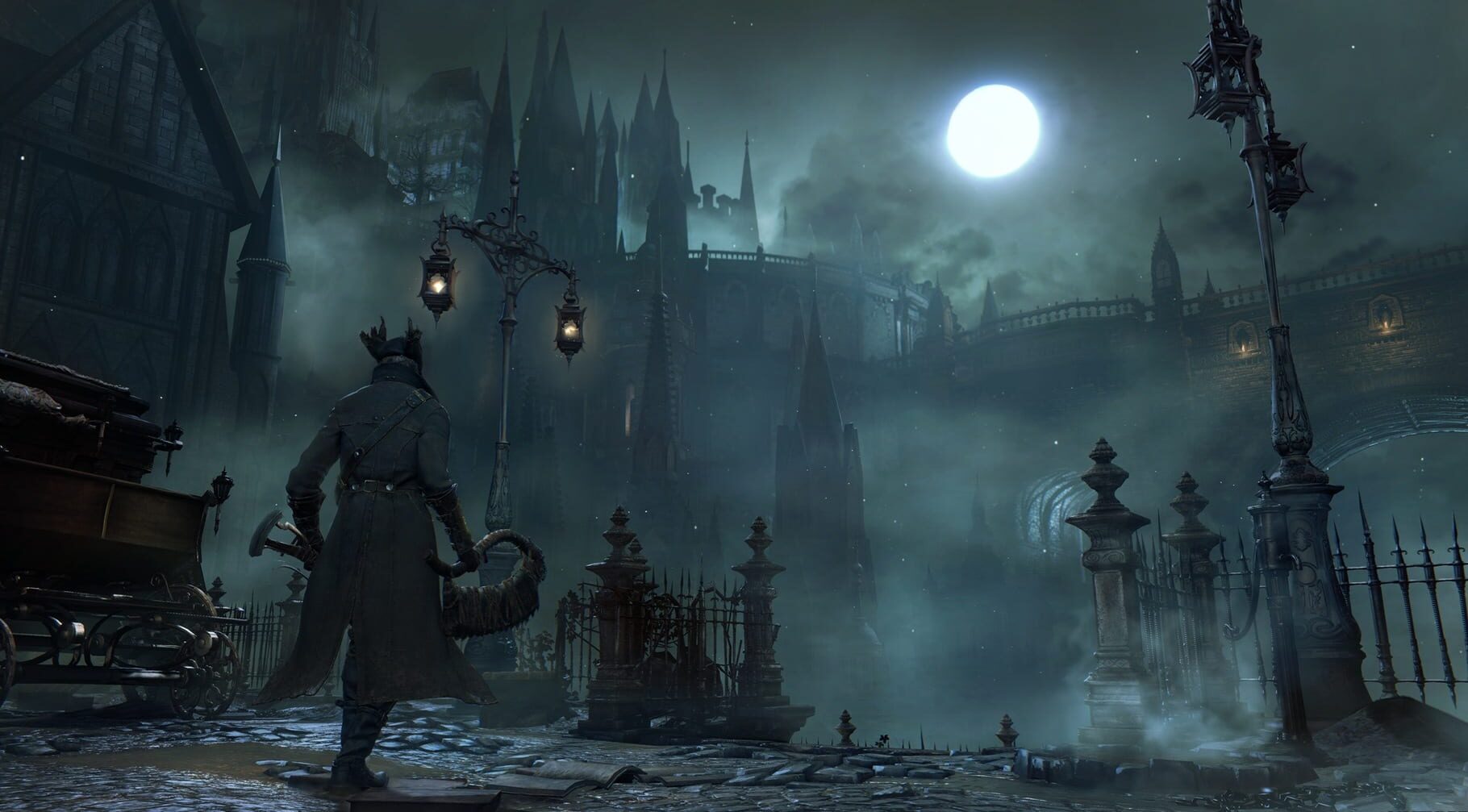 |
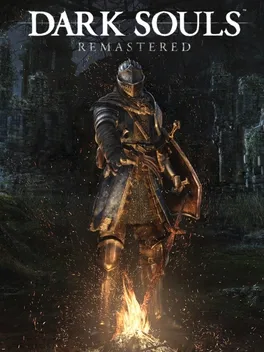 |
Dark Souls: Remastered | Action | A port of the original Dark Souls and the Artorias of the Abyss expansion. Looks nicer and runs better(especially the Blighttown area). Massively influential action-RPG with a sophisticated dark fantasy setting and cryptic, melancholy storyline. Spiritual successor to Demon's Souls. Explore an inter-connected world full of dangerous enemies and well-hidden secrets while leveling up your character according to your preferred build. There's plenty of variety and replay value. Features asymmetrical online co-op and versus play. Notoriously difficult and mysterious. Considered one of the best games of its generation. | 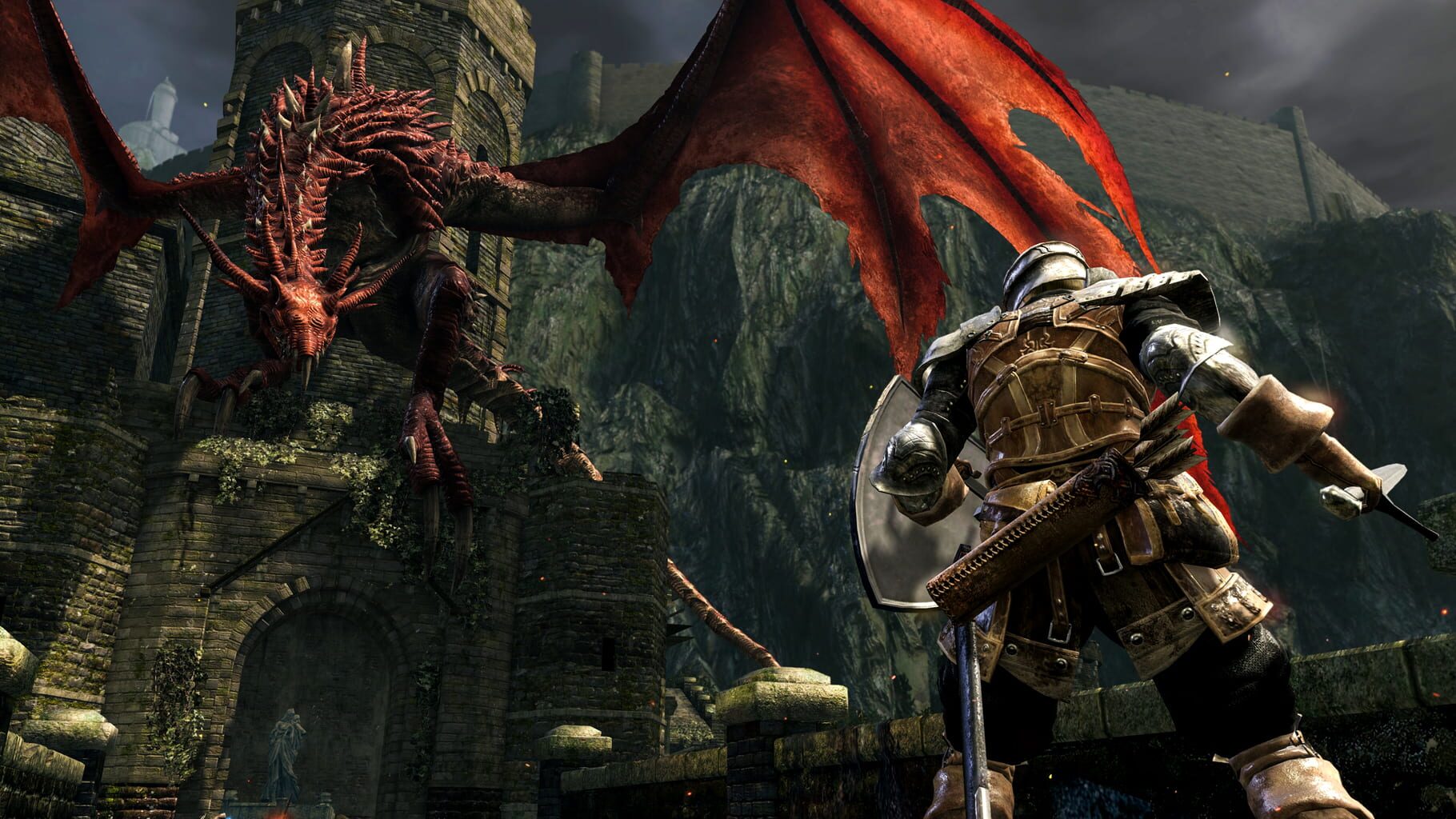 |
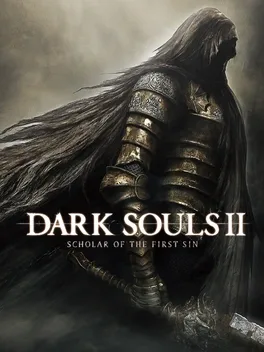 |
Dark Souls II: Scholar of the First Sin | Action | An upgraded version of Dark Souls II. Includes all of the previously released DLC. Enemy placement is wildly different from the PS3 version. In fact, if you play this shit for the lore, stick with the PS3 version because the enemy placement makes no goddamn sense anymore. | 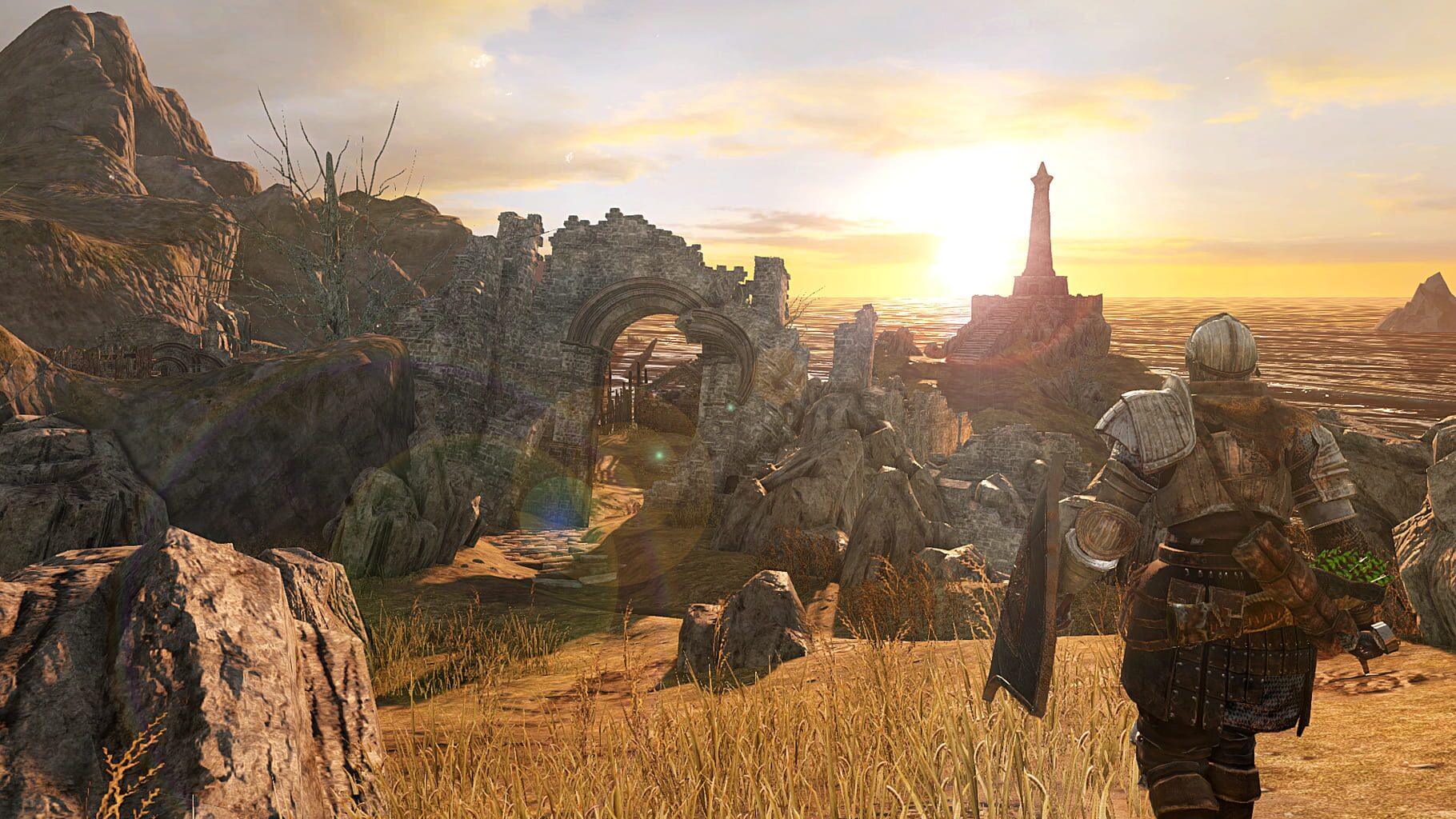 |
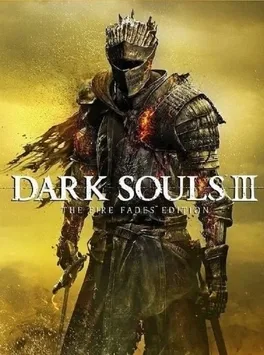 |
Dark Souls III: The Fire Fades Edition | Action | The final game in the series, this time with Miyazaki back at the helm. Expect a faster pace this time around, as the team was still fresh off of Bloodborne. This one is generally considered better than Dark Souls II, but not quite as good as DaS 1 nor Demon's Souls.
Ashes of Ariandel is a 3 hour piece of shit with little content and two bosses, but the Ringed City makes up for it and effectively ends the entire series. The Fire Fades Edition contains all DLC, so if you've waited to get a complete edition while waiting for a reasonable price, then now's the time. |
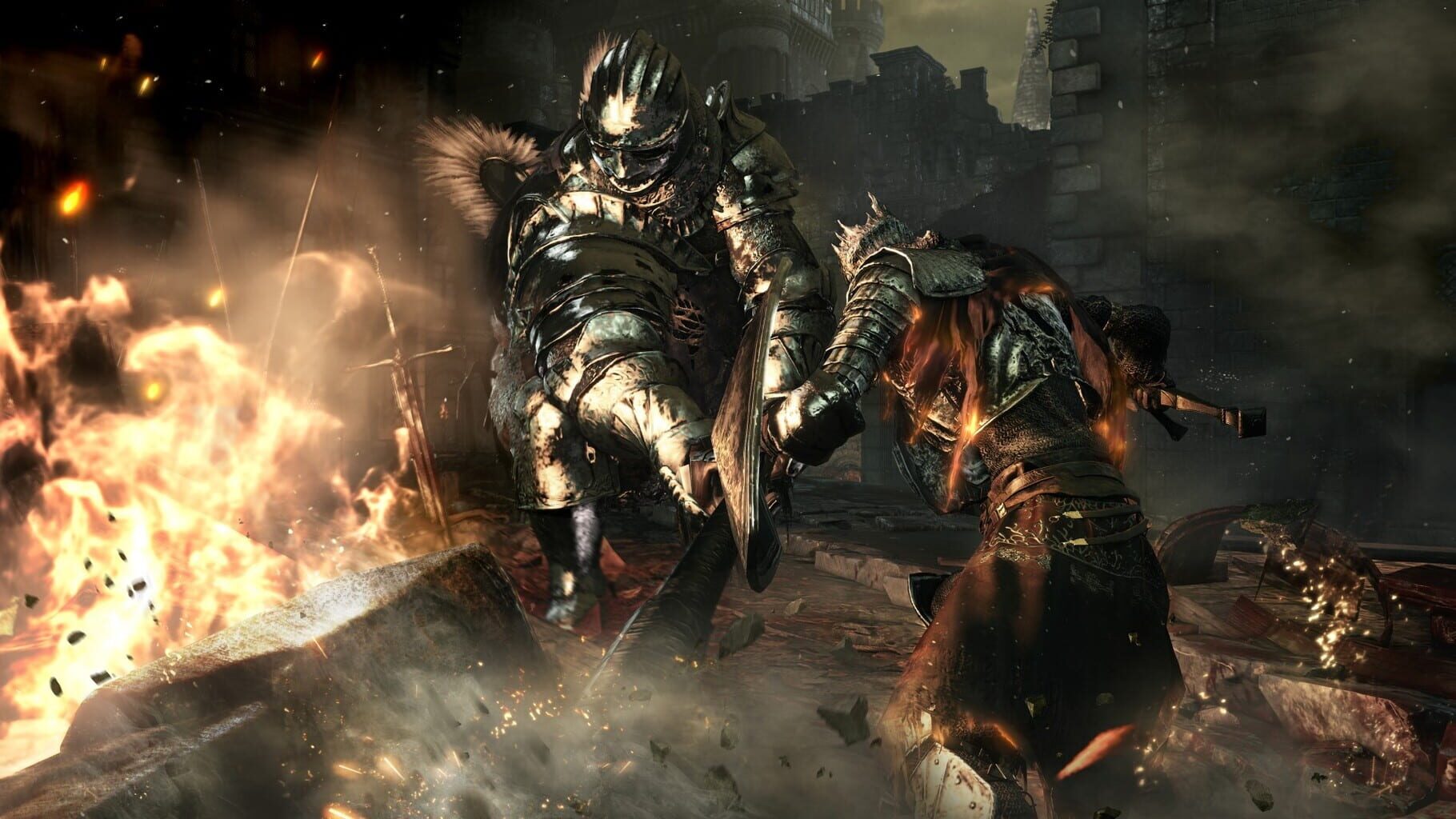 |
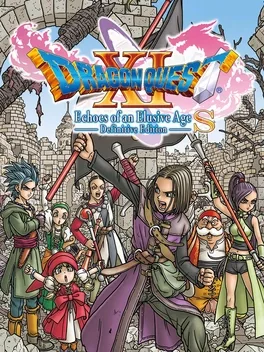 |
Dragon Quest XI S: Echoes of an Elusive Age Definitive Edition | Turn-Based | Enhanced version of DQXI, now with extra content and a fully-playable, SNES-style, sprite-based mode on top of the standard 3D presentation. Lengthy campaign, in-depth turn-based combat system, charming characters, and an Akira Toriyama-designed fantasy world. A great entry point into Dragon Quest, and an unforgettable JRPG overall. | |
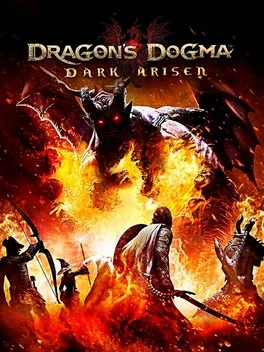 |
Dragon's Dogma: Dark Arisen | Action | Underrated Capcom action-RPG. Medieval fantasy in an open-world setting. This game's story, variety, presentation, and world size are all somewhat underwhelming, but it shines in the combat, which is thrillingly fast and fun, kind of like a medieval Devil May Cry with elements of Dark Souls and Shadow of the Colossus. There are several classes to try and they're all fun to play, including the spellcasting ones. No multi-player, sadly, but you can trade your A.I. companions with others online for fun and profit. | 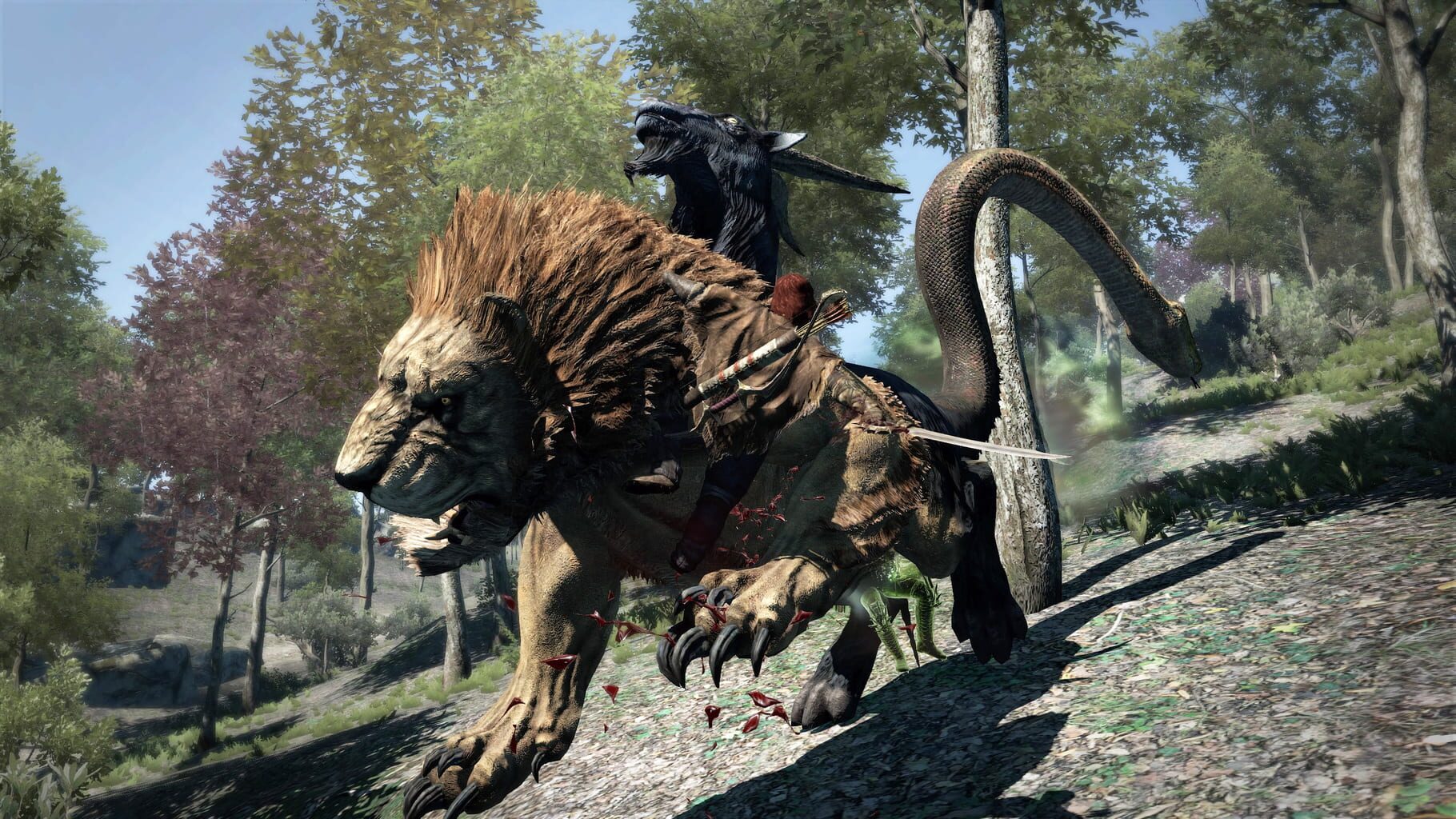 |
 |
Elden Ring | Action | An open world Souls game lauded for its exploration, combat, and world design made in conjuction with George R.R. Martin. You're a Tarnished, an exile from the lands you occupy who has returned following a catastrophic event that has torn the land asunder. Unlike most "open" world games you can approach the various lands and bosses in any order, with the ability to skip large portions of the game if you know where to go and who to fight. The PS4 version runs really poorly and should only be played as a last resort if you can't play on PC or PS5/XSX, but the game is worth the trouble if that is all you have. | 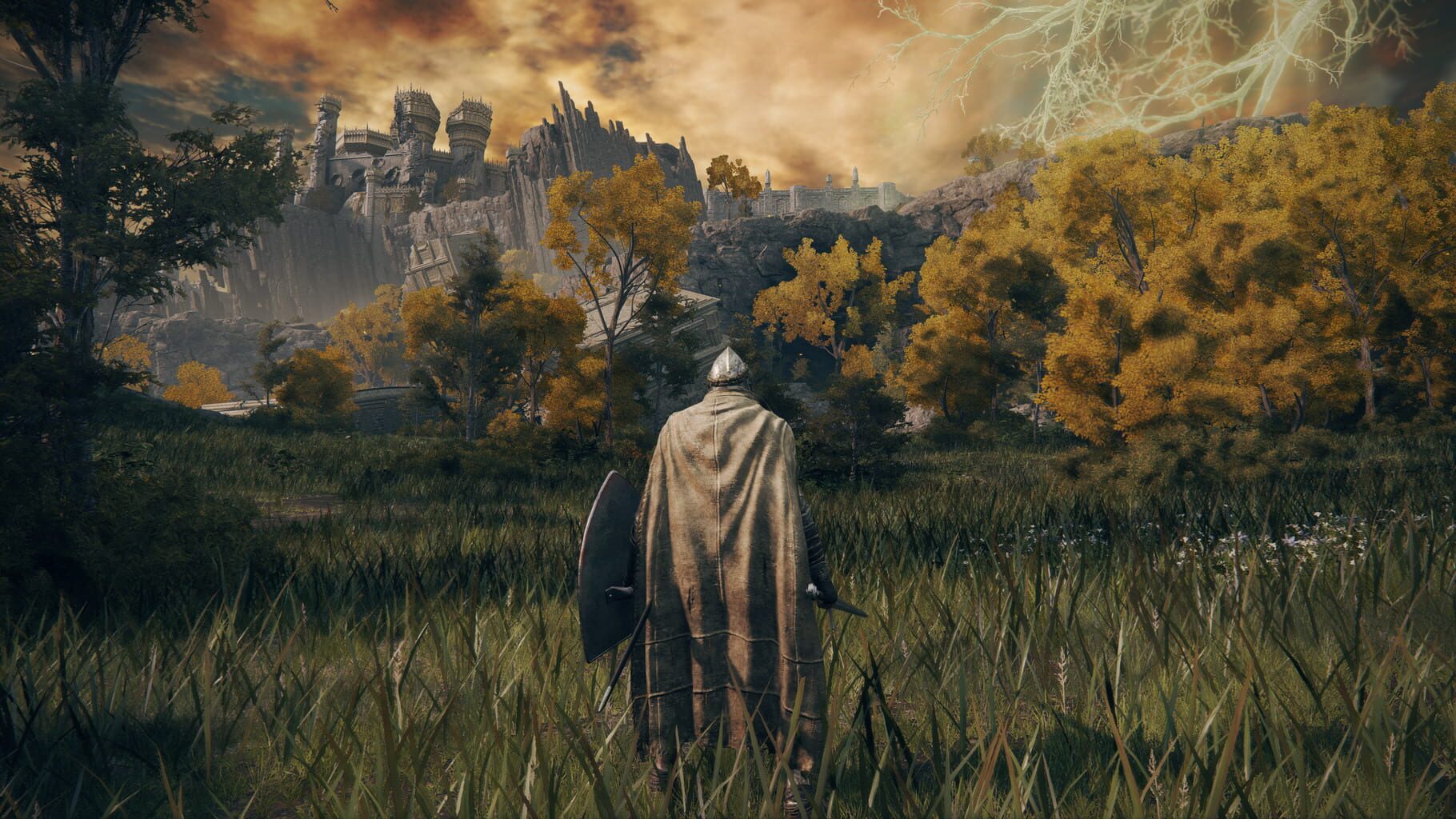 |
 |
Final Fantasy VII Remake | Action | A full remake of the Midgar section of Final Fantasy VII. Play as Cloud, mercenary, helping out AVALANCHE to save the planet against the evil corporation Shinra. Be warned that the story isn't a 1:1 adaptation of the original, and there are a couple of bold changes, especially near the end. Some love it, some don't. This is directed by Tetsuya Nomura, so if you hate Kingdom Hearts and other Nomura shenanigans, you might also hate this. Regardless, it knows what it's doing, and "changing destiny" is a main theme in this story, so it's not completely out of nowhere. Also, the game kind of expects you to already know the story of FF7, but you can still enjoy this as a newcomer.
The gameplay is a refinement of Square's previous attempts at mixing up real-time and turn-based combat, and is arguably the best combat system of the series in recent memory. Think FF15, but more grounded, with an ATB gauge, multiple playable characters, and XIII's stagger system (but not annoying this time). The materia system is basically the same as the original, adapted to the new gameplay. It gets really fun once you get the hang of it. The game is gorgeous, albeit very linear (it's not as bad as XIII but not as good as X in that regard), with a couple of areas with side quests and mini-games. The main cast is more lovable than ever, and that Uematsu soundtrack is god-tier. It's a great imperfect game, with many things to love about it, and a lot of charm. |
 |
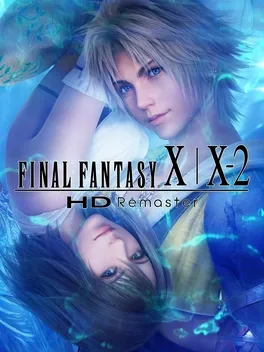 |
Final Fantasy X/X2 HD Remaster | Turn-Based/Active Time Battle | A remaster of Final Fantasy X International and Final Fantasy X-2 International + Last Mission for the PS3, the updated graphics look nice but the FMVs are just the PS2 FMVs re-rendered in 1080p and the voices aren't changed but the addition of the International bonuses and the HD graphics are worth replaying this game. Has the option to change the soundtrack to the original PS2 soundtrack or the re-arranged PS3 and PS Vita versions.
Also available on PS3 and on PS Vita. PS3 version has a bonus Music Blu-ray OST disc. PS Vita splits the two games from each other and doesn't include the bonus Music Blu-ray OST disc on the PS3 but offers us good portability. Supports cross-play (you can transfer saves between the PS3, PS Vita and PS4 versions) but not cross-buy. Both PS3 and PS Vita versions have downgraded graphics and no option to play with the PS2 soundtrack. Every console version only includes the English voices. |
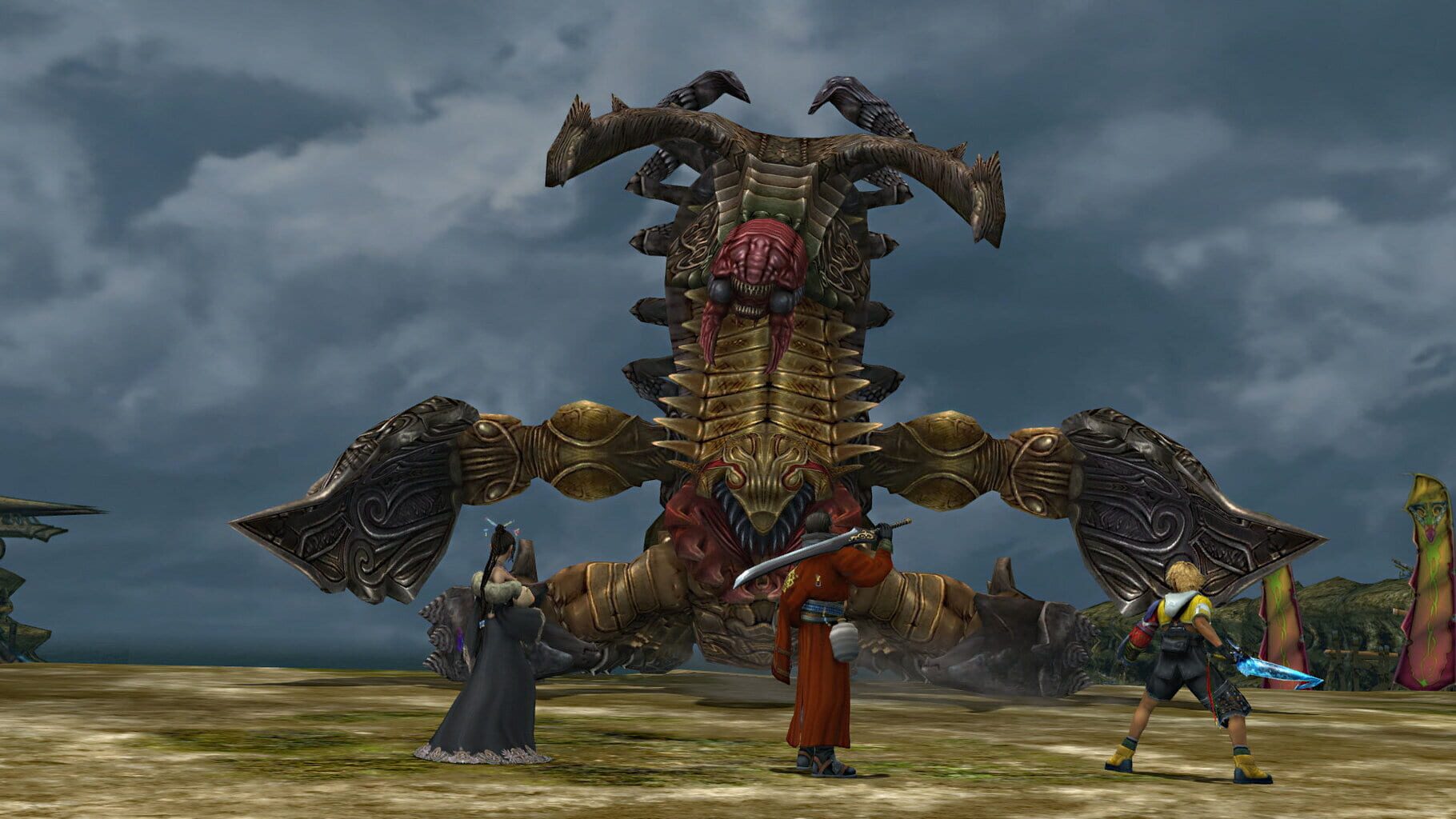 |
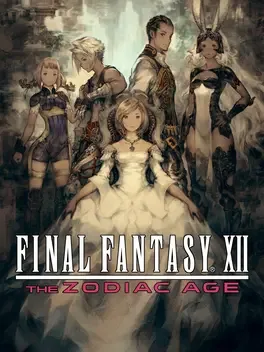 |
Final Fantasy XII: The Zodiac Age | Active Time Battle | Port of FFXII International Edition, which features various gameplay changes and improvements to the original game, and was (despite its title) never released outside of Japan. FFXII is a more "Westernized" take on the JRPG series, with a real-time party combat system, a beautifully-realized, free-roaming world, and tons of optional content. | 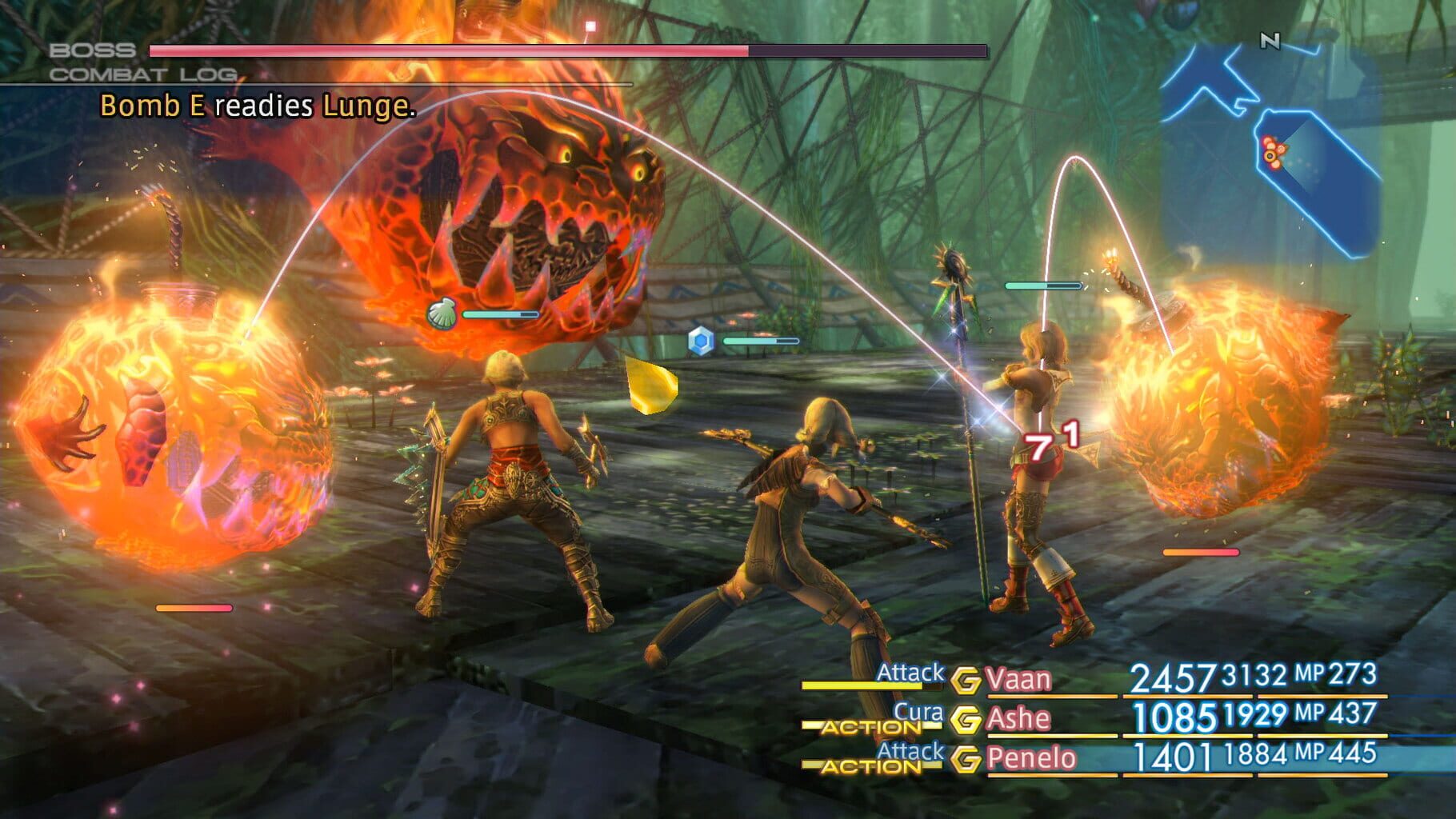 |
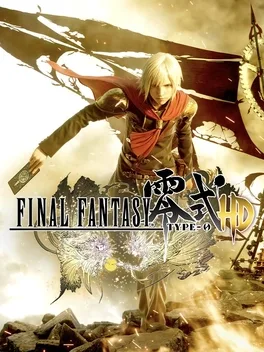 |
Final Fantasy Type-0 HD | Action | Imagine Crisis Core but better with 14 different playable characters, playable summons, A WORLD MAP, chocobo breeding and a fantastic story. The gameplay is difficult and will kill you if you get careless but is fun and faster than Crisis Core because less "slot machine" bullshit. Much, MUCH, bloodier, gorier and violent than the previous Final Fantasy games.
Has updated graphics compared to the PSP version, as well as the option to change the voices to English or Japanese, no multiplayer (as if anyone cared about it), an exclusive alternate ending, an updated soundtrack and an exclusive demo for Final Fantasy XV for the Day One edition. Keep away from the English dub, it is the worst English dub Square has ever worked on (even worse than Final Fantasy X but not as bad as FF4 SNES). Has a somewhat spotty translation so get the PSP version if you are willing to pirate and you have PPSSPP or a PSP with CFW. |
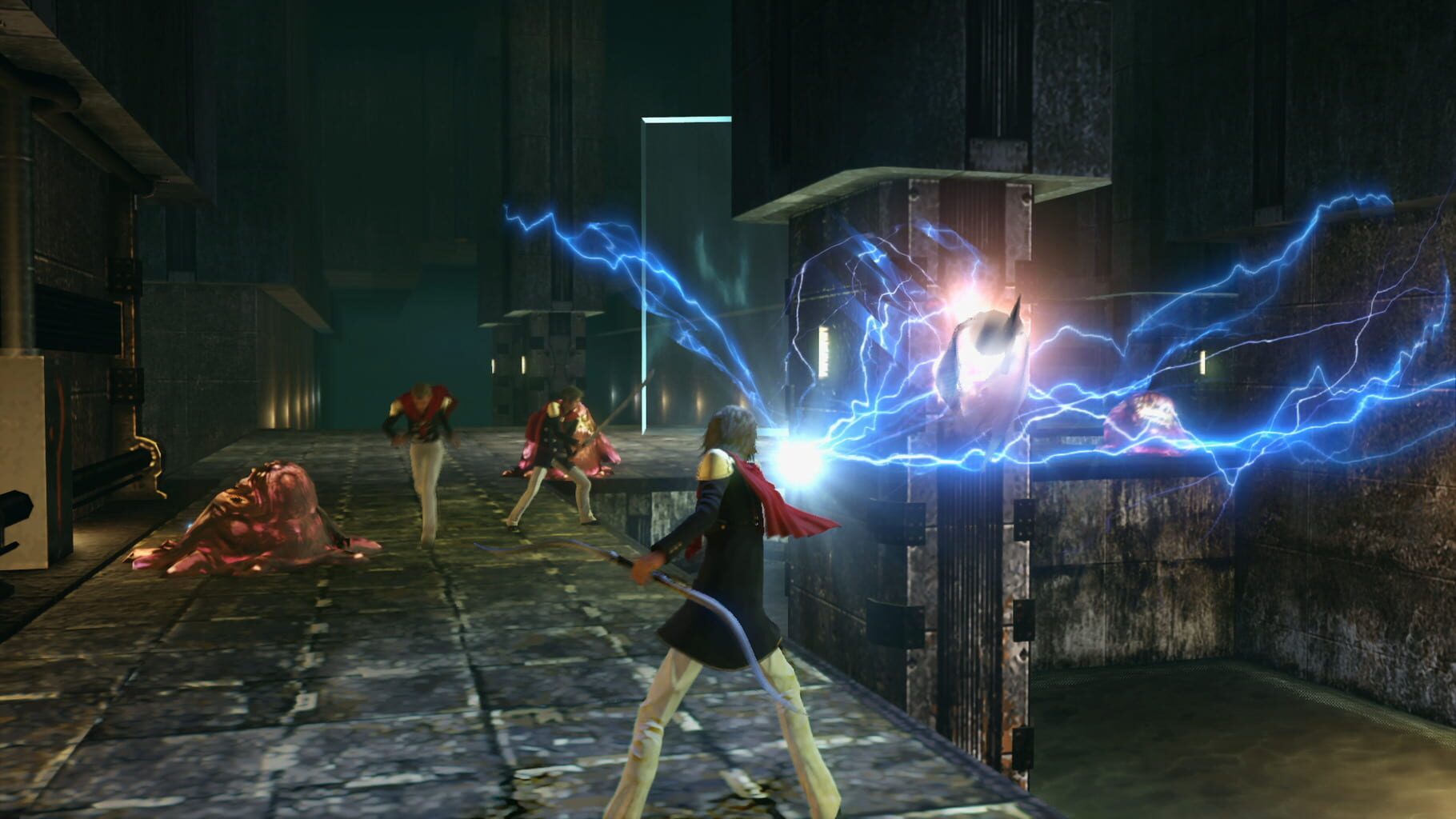 |
 |
Final Fantasy XV | Action | As Prince Noctis, heir to the Lucian throne, you're tasked to go on a road trip with your three closest friends to the neighboring country of Tenebrae in order to marry your childhood girlfriend, Lunafreya. This innocent bachelor party turns into a quest for vengeance when your kingdom gets sacked by the evil Niflheim technocracy.
Final Fantasy hijinks ensue as you sneak into military bases, crawl through absolutely brilliant dungeons (I'd even argue XV has the best dungeon designs in recent FF memory), race chocobos, go on fetch quests, and teleport like a madman smacking a bunch of classic Final Fantasy monsters around. What's not to love? The main questline is short for an FF, averaging around 20-25 hours (around 30 with the DLC), but there's plenty of side content and mini-games to fill your time. The Royal Edition comes with all of the paid story DLC, an online mode, the ability to ride around in a boat (with more fishing spots), and an expanded version of the final dungeon, along with cutscene and story updates, and is ultimately the best way to play the game. One other note: I strongly suggest you watch the tie-in film Kingsglaive before playing the game, as a lot of very important plot elements take place there, and a major character is literally introduced seconds after that character's exit from the film. It is also recommended to watch the 5 free, short anime episodes titled Brotherhood on Youtube, as they provide a backstory for the main crew. You may want to hold off on watching the anime and Kingsglaive until after chapter 1 as they do technically spoil a major plot event. |
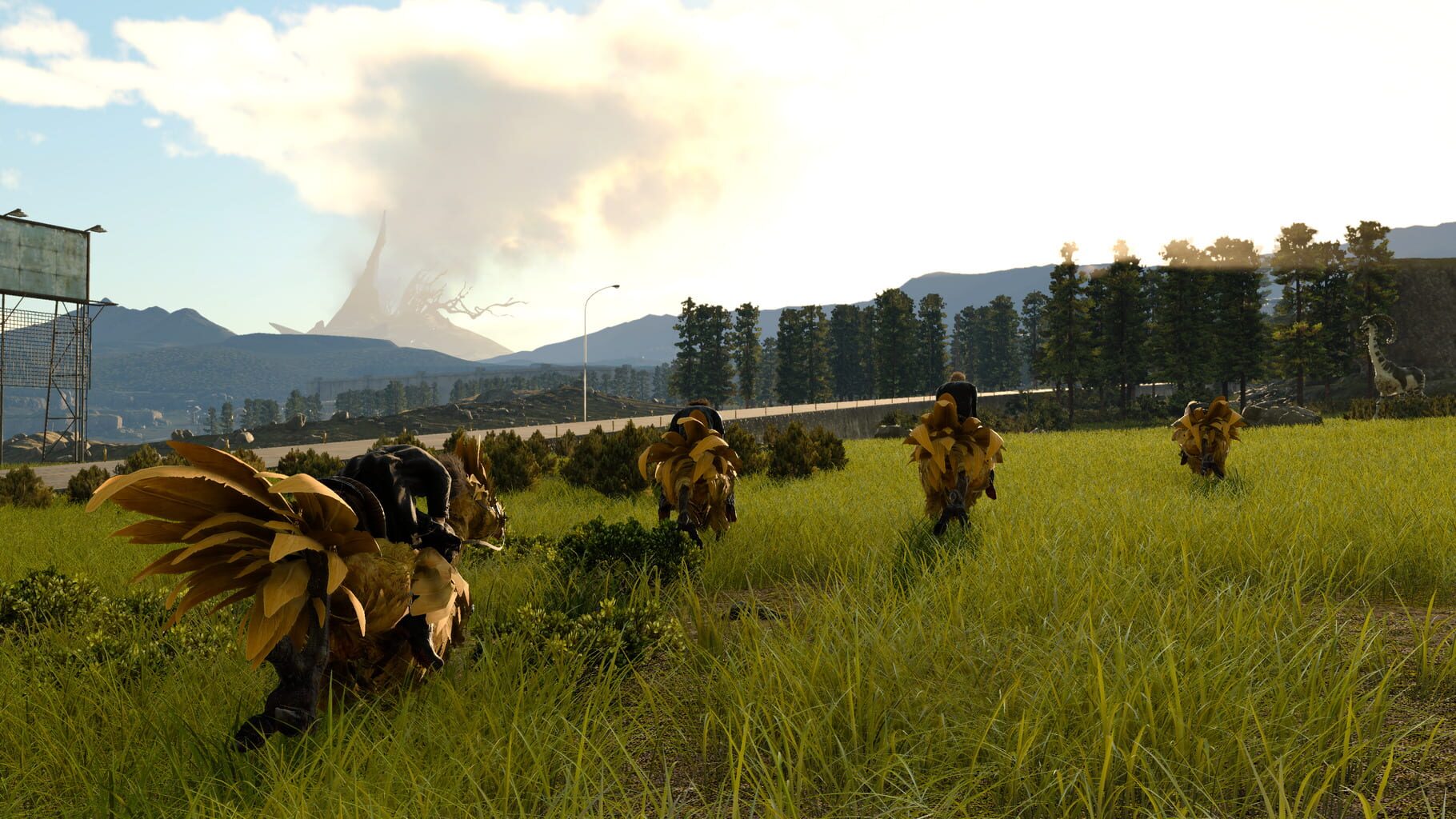 |
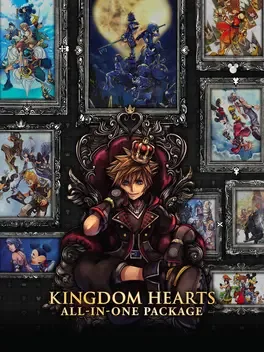 |
Kingdom Hearts: All-In-One-Package | Action | The latest Kingdom Hearts collection, containing "The Story So Far" (which comprises of 1.5+2.5 HD Remix and 2.8 Final Chapter Prologue) and "III" (man these titles were getting ridiculous). Don't bother if you already own any other collections and "III" because there's nothing more to it, unless you want a slightly classier packaging and the three discs in one box.
A mistake KH newcomers often make is to believe there are two main games, and the other games are just spin-offs. They're wrong. All the entries are main games, even the handheld games (hell, even the stupid mobile game set 1000 years before has important plot points), and from the look of it, KH3 will bring everything together, so if you want to get a chance to grasp what the fuck is going on in it, you're gonna have to play all of them. Anyway, it's Kingdom Hearts. What started as babbie's first Final Fantasy featuring Disney worlds became its own full-fledged series, getting more and more ridiculously complex and edgy story-wise, but also very charming, with stories of friendship, light vs. DARKNESS, and all that good stuff. Gameplay-wise, they all have something interesting going on, even if some episodes are weaker than others, there are no bad games per se in this. In the end, you're getting seven full games and three movies (the two Nintendo DS games and the mobile MMO were turned into movies) for a decent price, so if you didn't get into the beautiful clusterfuck that this series is yet, this is the ultimate collection to go with. |
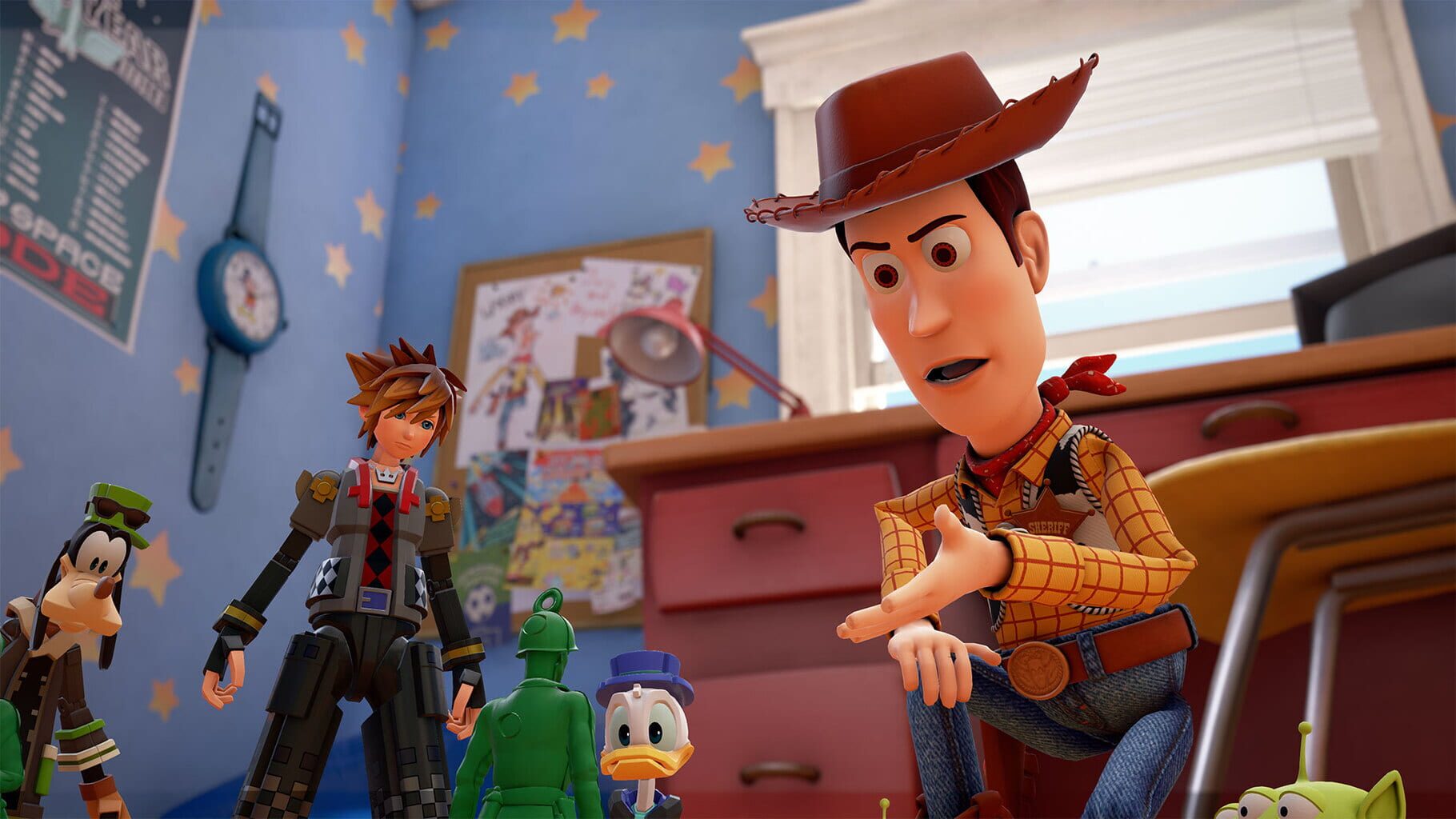 |
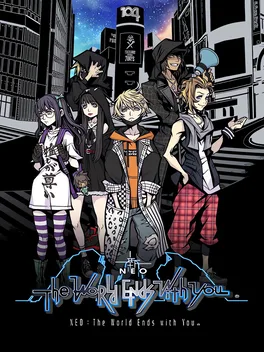 |
NEO: The World Ends with You | Action | The long-awaited followup to the DS cult classic from Square Enix. Excellently translates the 2D touchscreen-based gameplay to a 3D face and shoulder button based system which allows to lots of party customization and experimentation with the different attack types and elements tied to fashionable buttons from the various clothing brands around Shibuya. The story takes place a few years after the events of the original game and The Final Remix expansion released later. You once again play as trendy japanese teenagers dragged against their will into a game of survival in order to save the city from destruction. Like its predecessor, it sold very poorly, so don't expect any more of these for a long time. | 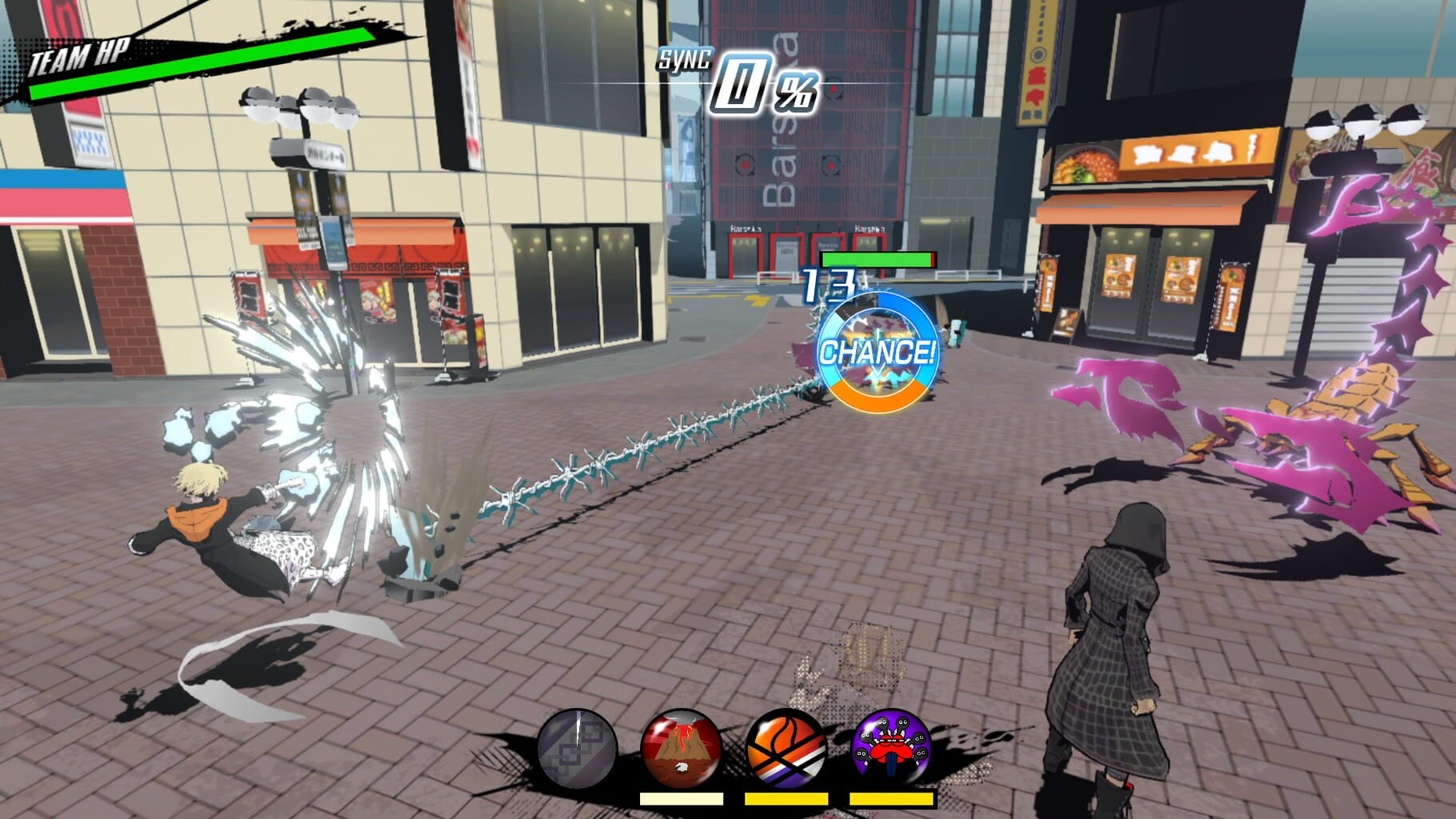 |
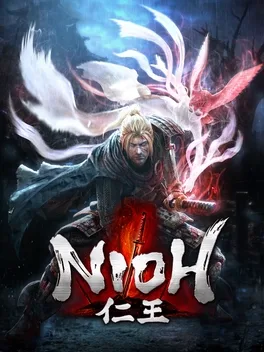 |
Nioh | Action | Ninja Gaiden meets Dark Souls. You play as a Scottish ninja, based on a real person, who's spirit is kidnapped by an evil wizard. You must travel to Japan in order to get her back. You fight all sorts of grotesque enemies and amazing bosses. There are 7 different melee weapon types and three different ranged weapons to choose from all with their own styles and unlockable combos. | 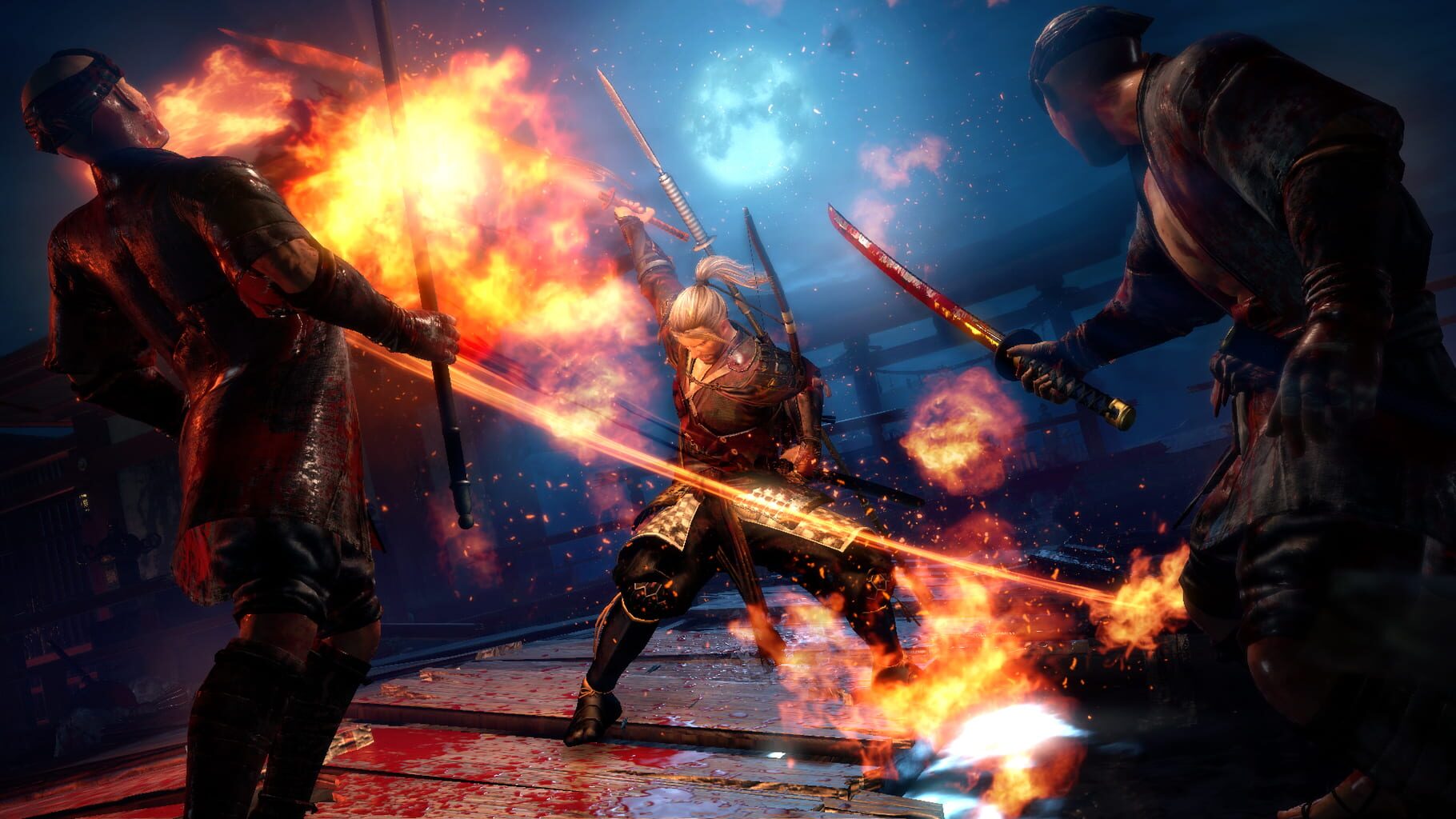 |
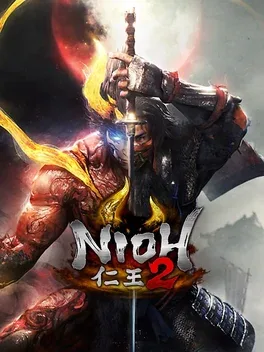 |
Nioh 2 | Action | More like a Nioh map pack than a full second game. A prequel to the original; you play as a silent custom character who works as a lieutenant in Nobunaga's army conquests and beyond. All the weapons return from the first game as well as new dual-axes. It's an easier and longer game than the original Nioh (sans DLC). In typical Koei Tecmo fashion, has a lot of reused content from the first game, to the point of laziness. Still, a pretty good action game. | 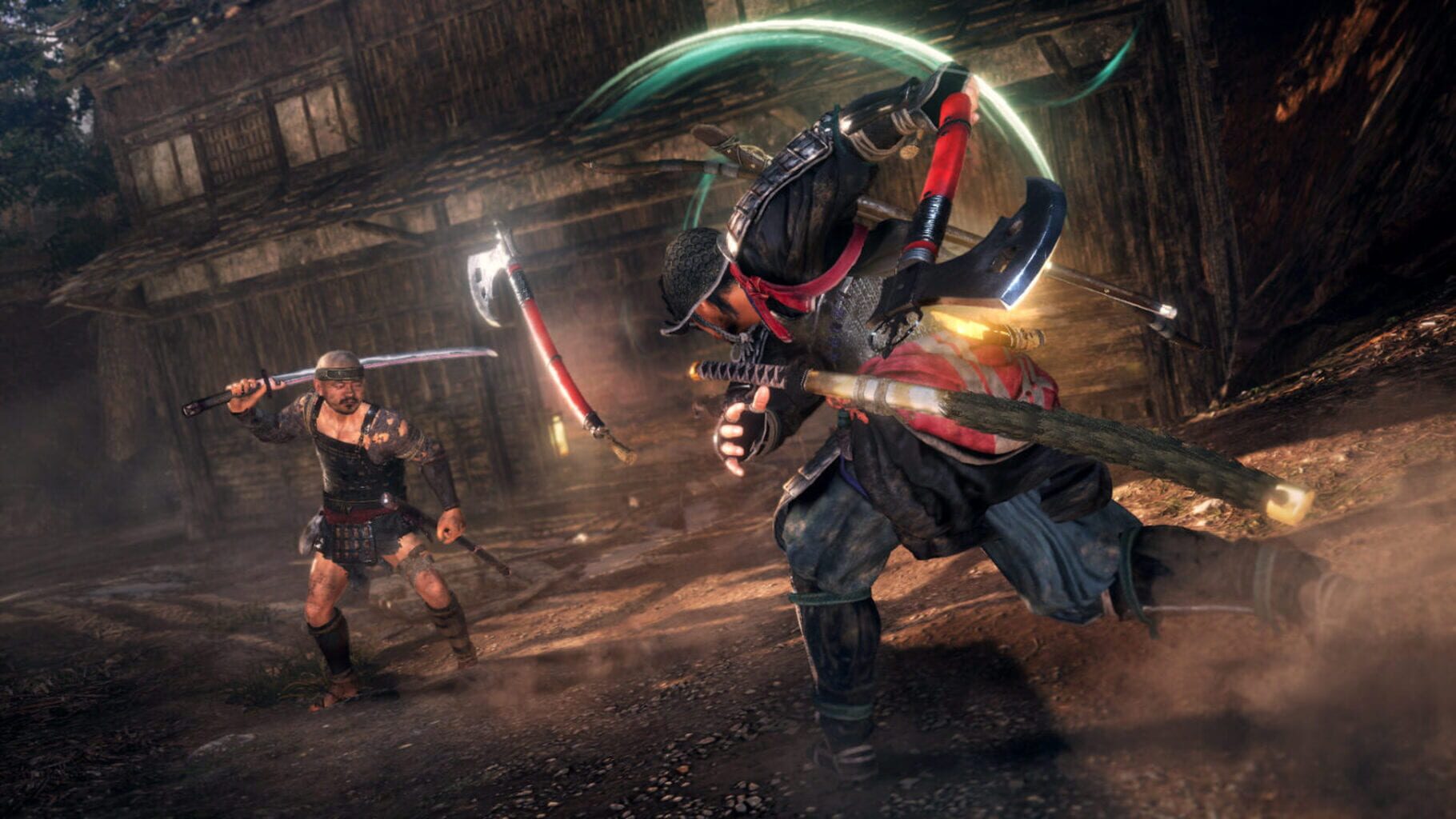 |
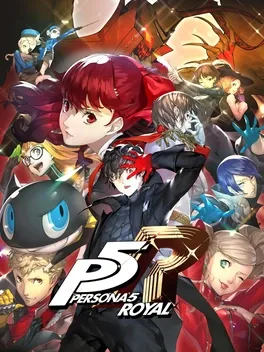 |
Persona 5 / Royal | Turn-Based | You got an assault charge for punching out a rapist, forcing you to transfer to the only school that's willing to accept you. On top of that you've gained the power to access the hearts of the corrupt, and decide to steal their darkest desires with the power of your Personas.
Arguably the best entry of the Persona franchise, and widely considered one of the best JRPGs of all time, Persona 5 takes its tried and true formula and adds a fun Lupin the Third style heist element to keep things interesting. With gorgeous art design, a dark, gripping story, a monstrous length (over a hundred hours for the main story alone!), a bounty of sidequests, and a rock solid battle system, Persona 5 must not be missed. Has an updated version called Persona 5 Royal, Including new characters, S.Links, combat mechanic changes and Skills; as well as an additional semester of game-play, story, expanded palaces and a whole host of quality of life improvements/additions too numerous to list. If you are picking up a copy make sure it's the Royal version. |
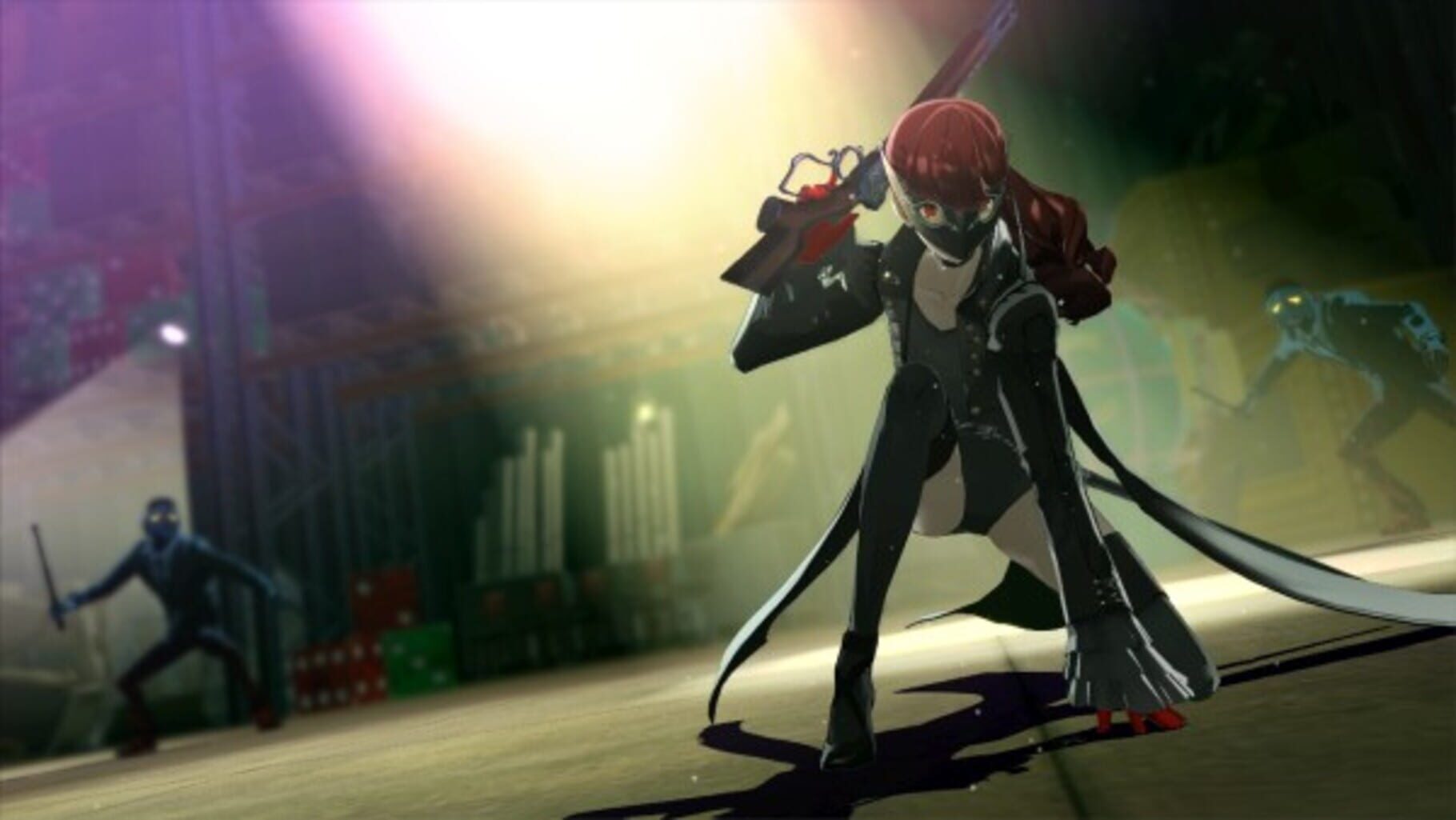 |
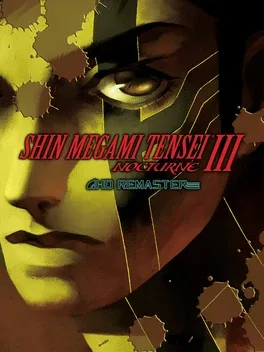 |
Shin Megami Tensei III: Nocturne HD Remaster | Turn-Based | An HD port of the PS2 classic. You control the Demi Fiend, a schoolboy turned into a demon whose actions will determine the shape of the world to come (our world has already ended). You can align yourself with one of several ideologies, which will affect the game's progression and ending. Recruit, fuse and use demons in battle; the Press Turn system heavily emphasizes exploiting the enemy's weaknesses to succeed. A very tough, intelligent and rewarding game. There is additional paid DLC to bring back "Dante from the Devil May Cry series", who was included for free in the original North American release. It is highly recommended that you get him though. The remaster also added an easier difficulty and voice acting, as well as redoing some of the visuals, for better or worse. Regardless it is one of the best JRPGs of all time. | 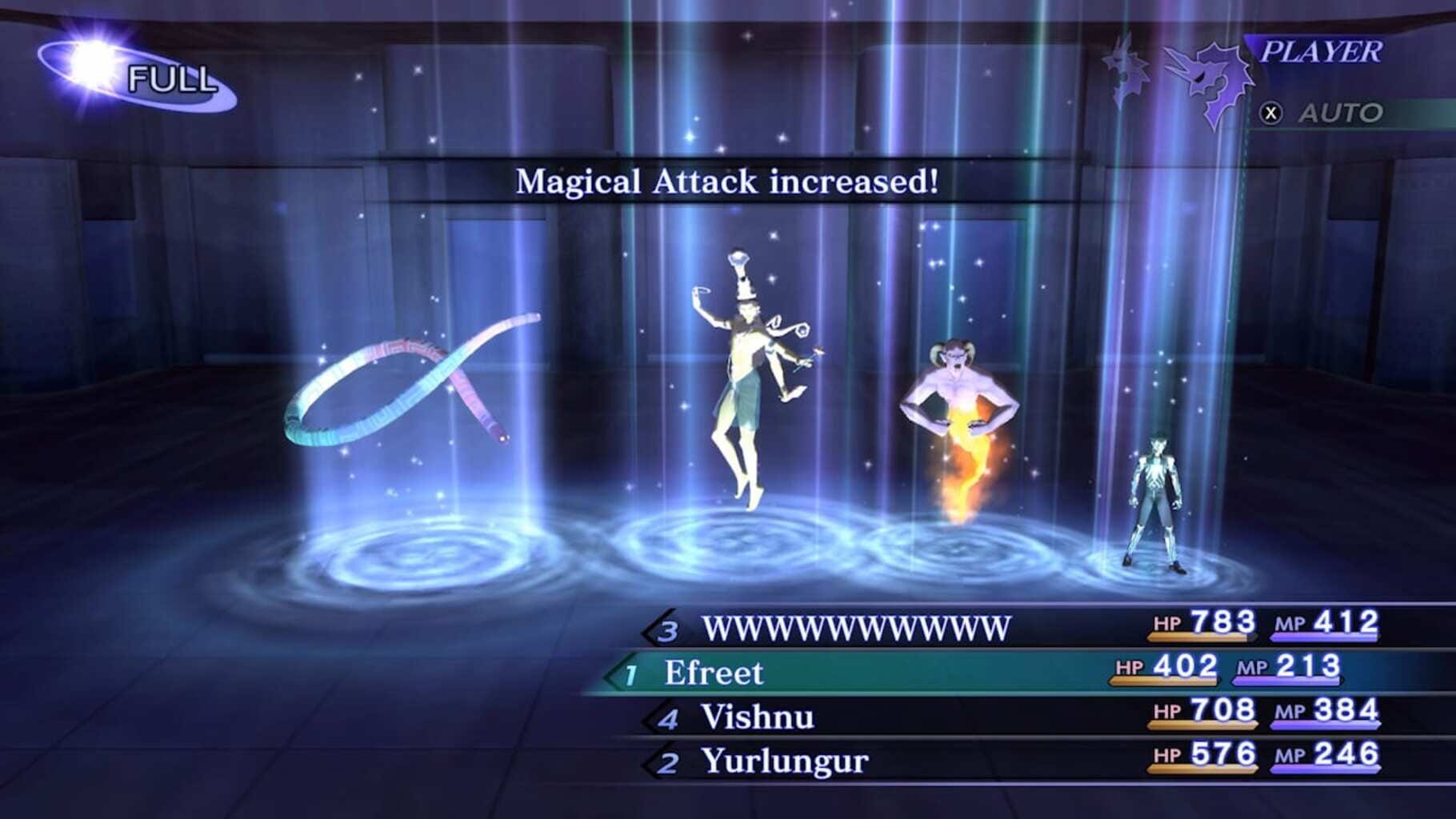 |
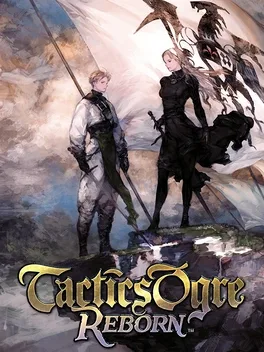 |
Tactics Ogre: Reborn | Strategy | A remaster of the 2010 PSP remake of the 1995 SNES strategy RPG classic. Micromanaging your team is now easier as units level individually. New controls and smarter AI make combat way less arduous and more engaging, making this the definitive version of the game. | 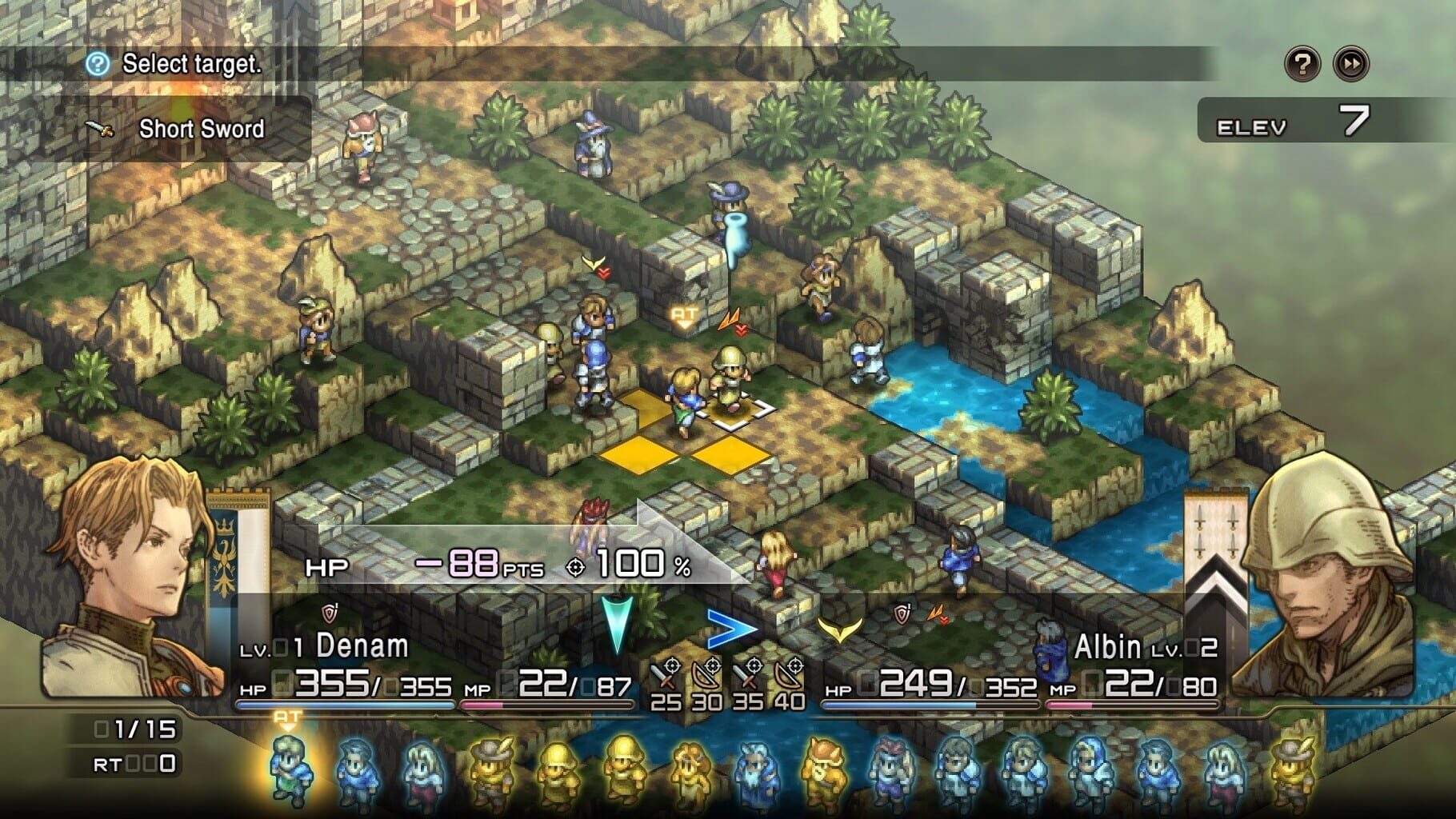 |
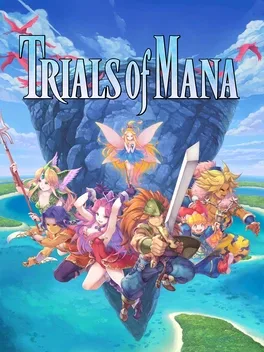 |
Trials of Mana | Action | 3D remake of the Japan-only Square classic Seiken Densetsu 3 (SNES). Choose your three-person party and embark on a fantasy adventure with fully-active combat and a class-based progression system. Includes new content and character-specific story resolutions. Fairly easy, but enchanting, and essential for retro JRPG fans. | 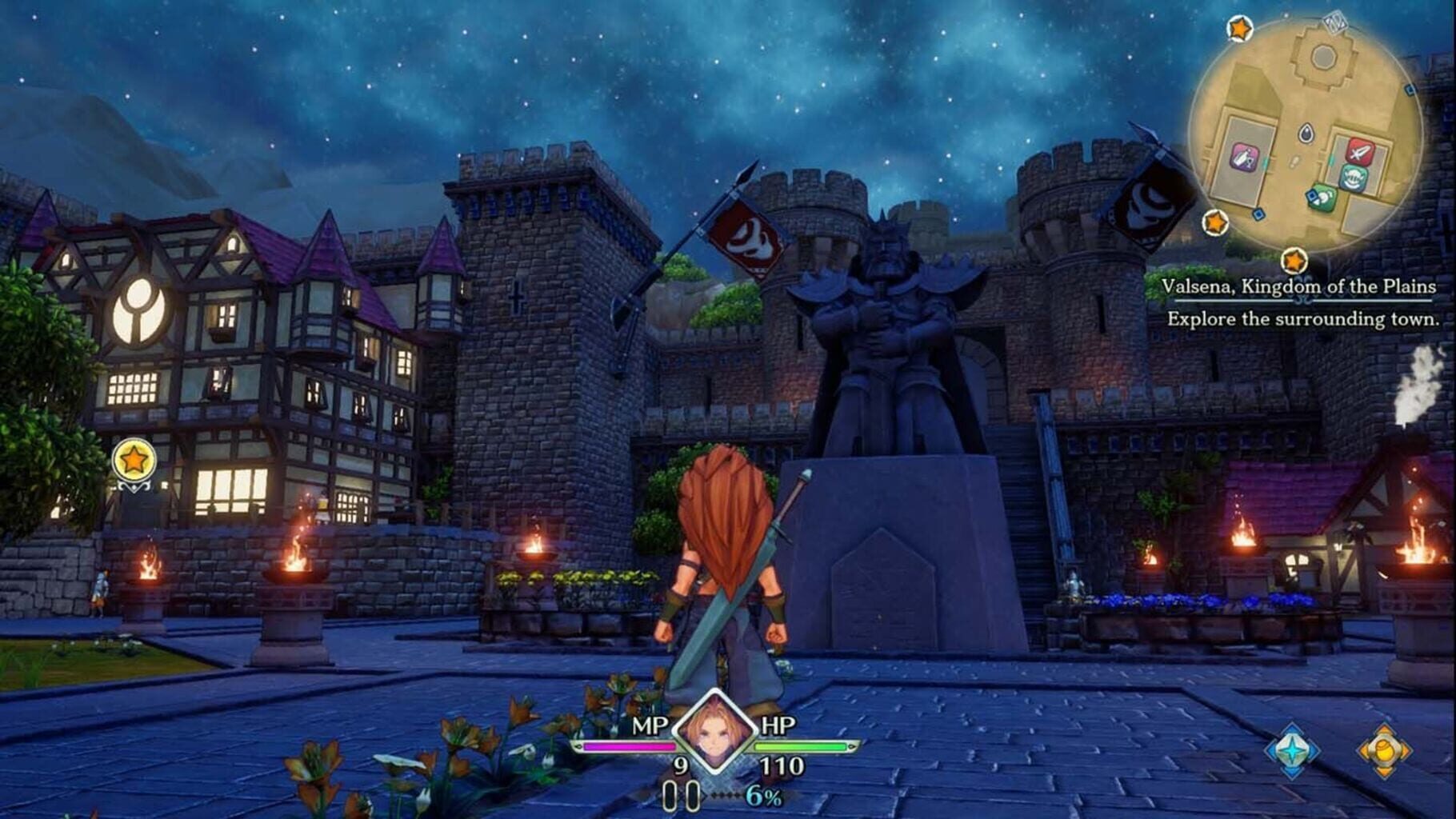 |
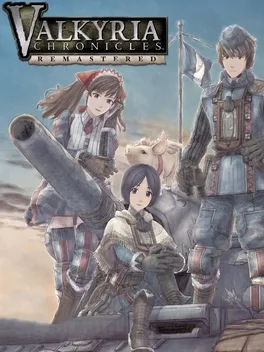 |
Valkyria Chronicles Remastered | Strategy | Port of the PS3 strategy RPG. Allows you to manually control each unit on their turn, in third-person shooter form. A very anime story that dips into drama, romance and comic relief with a pseudo-magical wartime backdrop. Every recruit has their own traits and personality. Pleasant watercolor-like visuals and sound effects. Definitely a successful genre experiment with somewhat unbalanced difficulty (leaning towards overly easy), worth a look for SRPG or RPG fans. 2 is stuck on the PSP and 3 never came out in the west. | 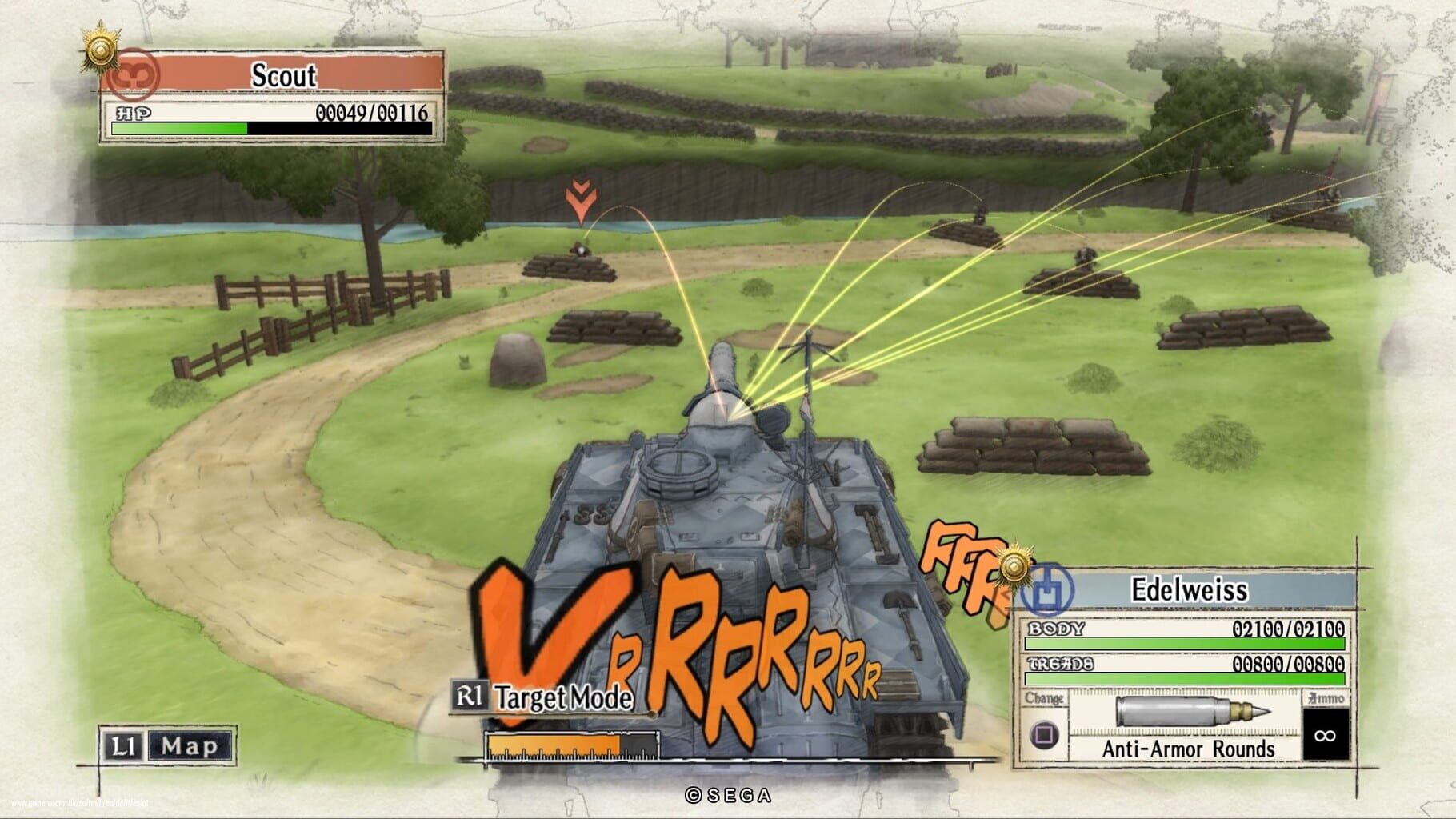 |
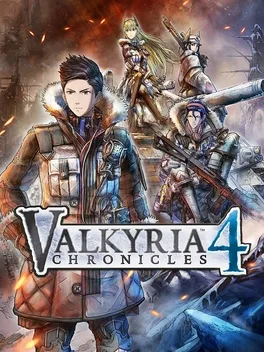 |
Valkyria Chronicles 4 | Strategy | The fourth game in Sega's pretty SRPG wargame series. If you liked the first game and want more, it's acceptable to skip to 4 because 2 is a pain in the ass to play and 3 never made it here(and also is evidently pretty meh). Adds some new units but is otherwise the same pretty good SRPG game as the first one. | 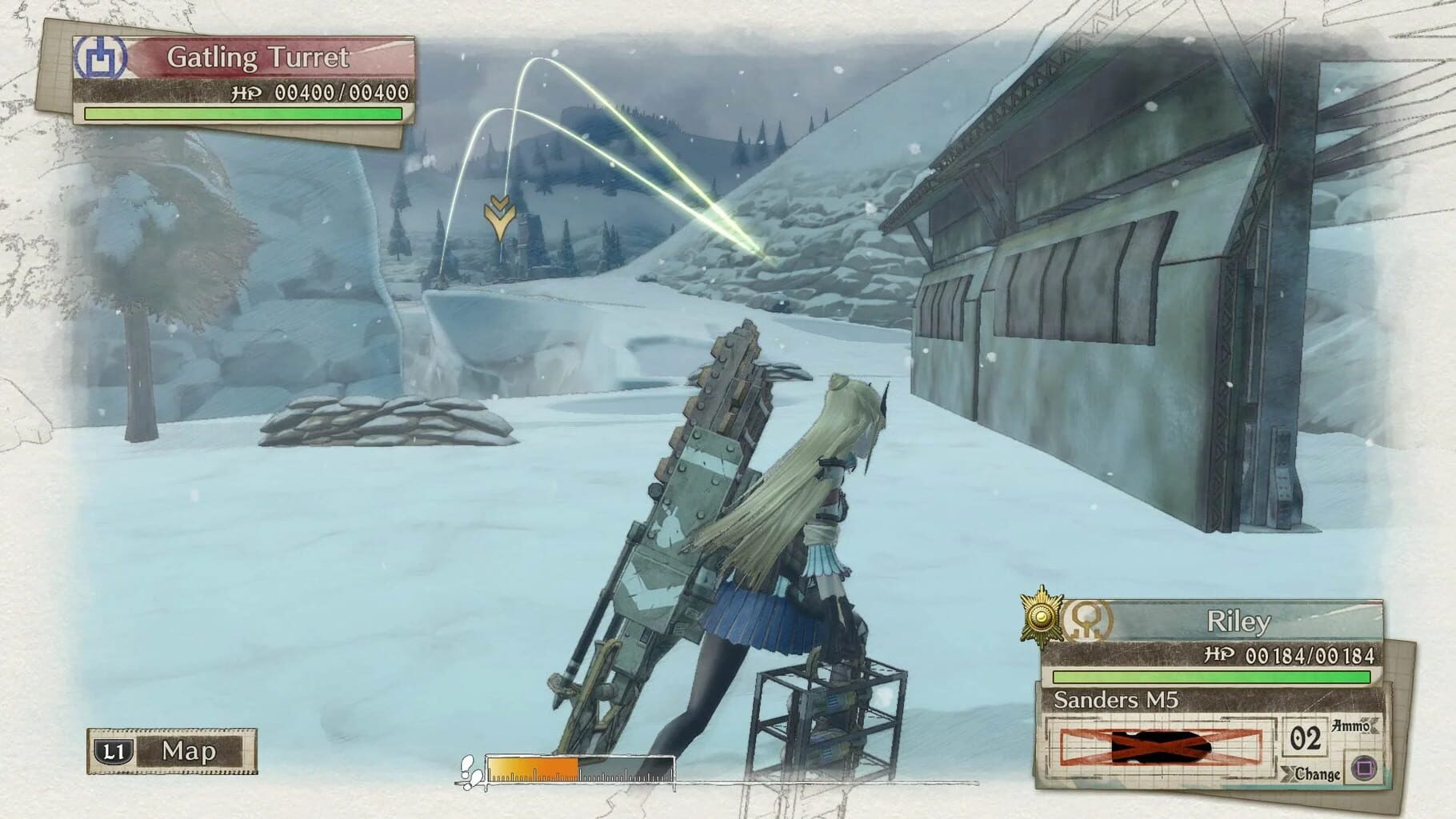 |
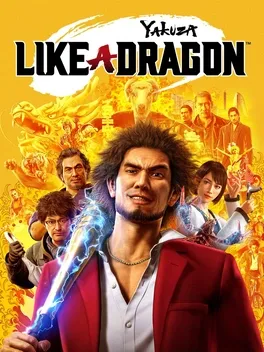 |
Yakuza: Like a Dragon | Turn-Based | The 8th mainline Yakuza game(known as Yakuza 7 in Japan) takes the series in a very different direction. Discarding the beatemup combat(now exclusive to the Judgement games) for a turn-based JRPG system with a Final Fantasy V-like jobs system. With Kiryu's story ended after Y6, Like a Dragon stars the affable gangster Ichiban Kasuga and a group of friends he makes on his journey to discover why his old boss has abandoned him after a long prison stint. The blend of serious melodrama and ridiculous writing the series is known for is maybe at it's best here, and the new characters are all fantastic. The combat can be deep, albeit outside of a few moments not terribly challenging. The game's spin on traditional JRPG elements and its open love for Dragon Quest are fantastic and look to be a great kickstart for a series that was getting stagnant. | 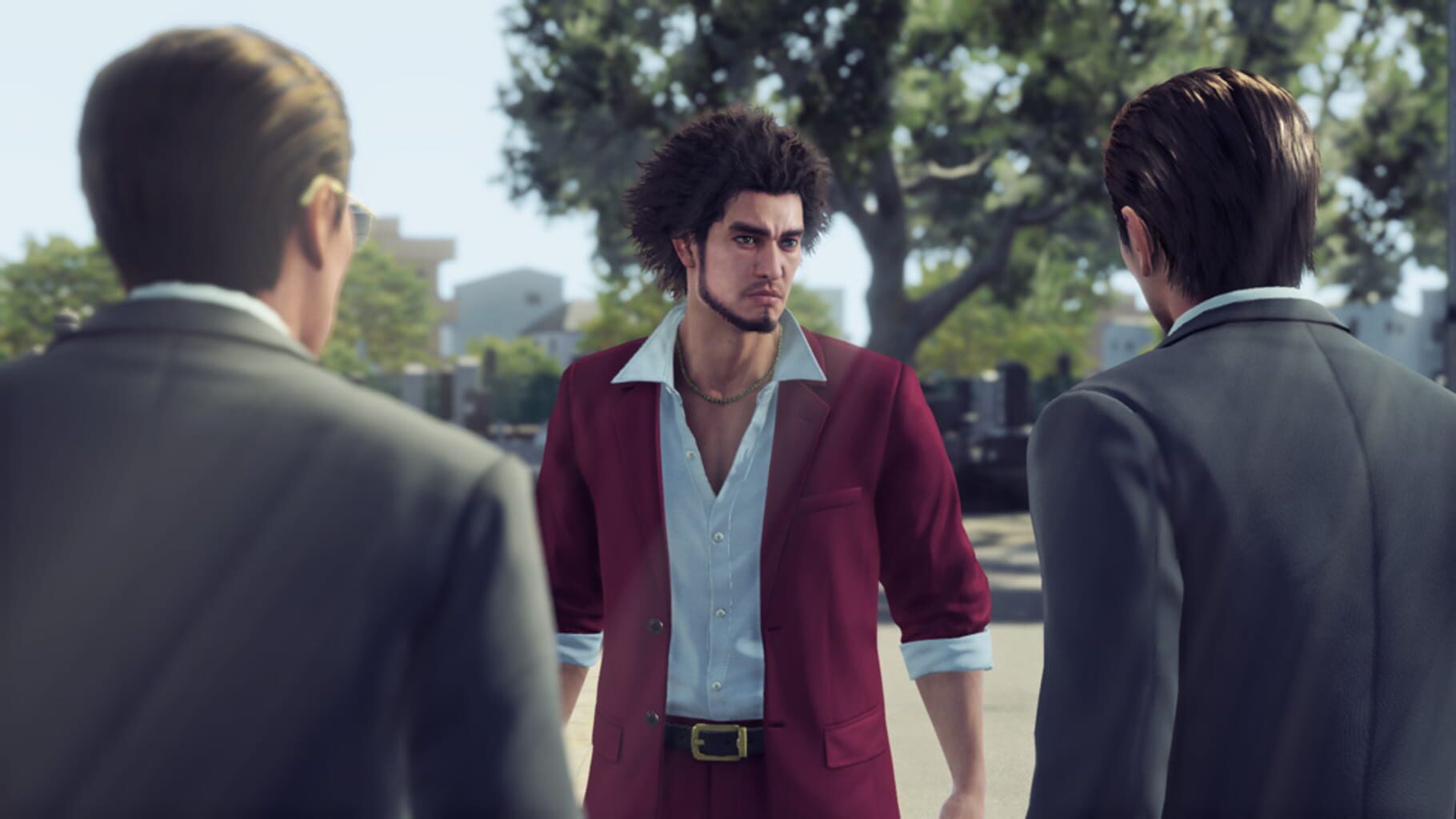 |
 |
Ys VIII: Lacrimosa of Dana | Action | Despite being a numbered title this game actually takes place between Ys V and Ys VI, as Adol and a bunch of other people end on a mysterious island and must find a way out. This game brings back the party system from the two previous titles and adds a lot more exploration, making this the longest title in the series so far. Unique in that unlike other entries you don't have towns, instead you must find the other survivors from the ship crash scattered along the island and help build a settlement where they will share items and other stuff in exchange for materials as there is no actual money in the game.
KEEP IN MIND: This game was localized by NIS America, arguably the worst western localization company. Tons of bugs that weren't there in the first place are added and awful translations ensue when a game is touched by them, and YS VII was no exception. However, they did release a patch that fixed some of the bugs and edited some of the dialogue. Buy used or learn 日本語 already and import. |
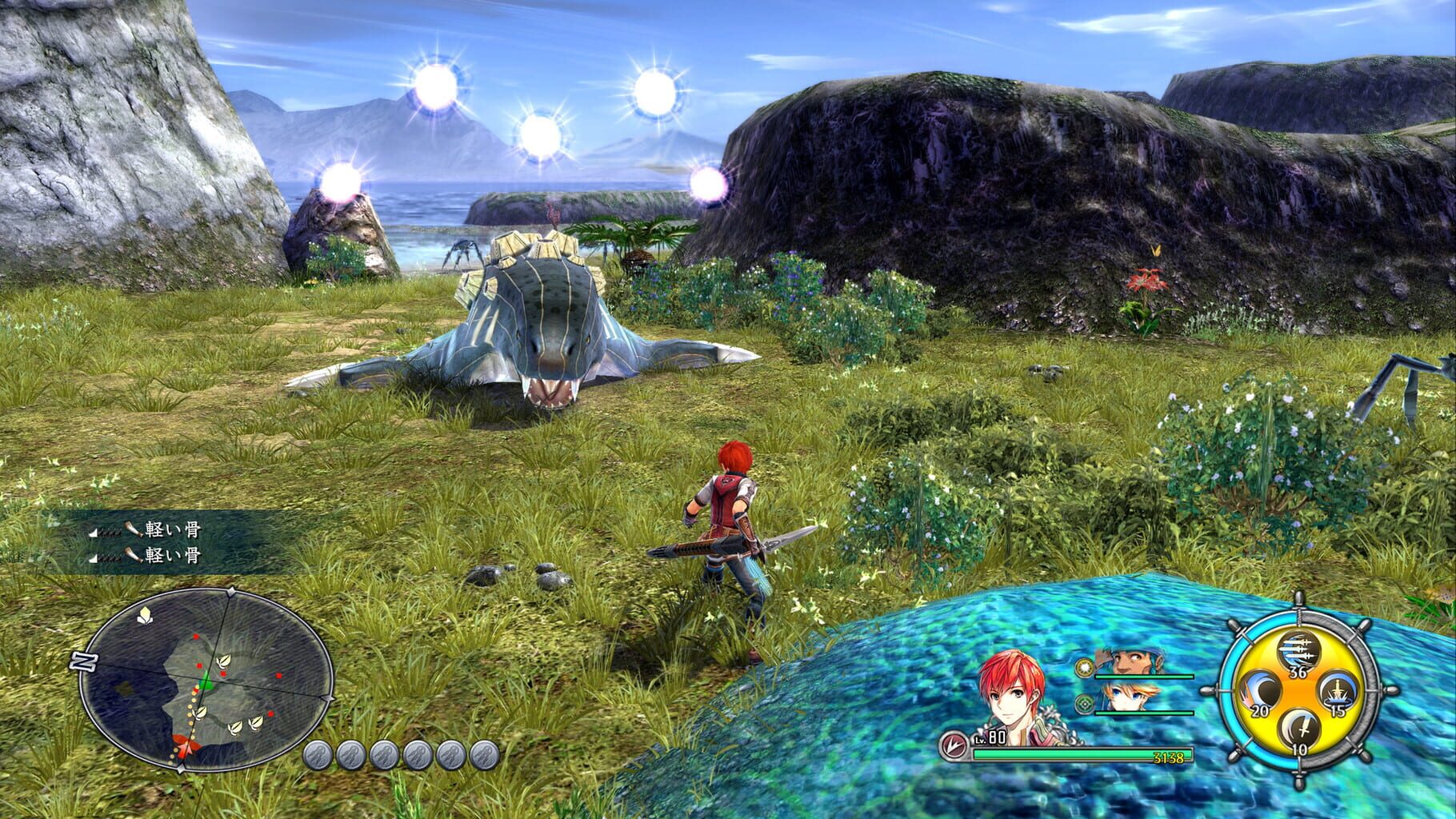 |
Playstation 5
[edit | edit source]
| Cover | Title | Style | Description | Screenshot |
|---|---|---|---|---|
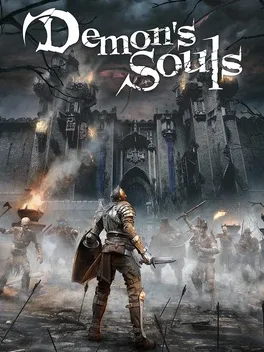 |
Demon's Souls | Action | A controversial remake of an all-time classic, the first Souls game. The original game innovated or popularized a litany of features that have since become staples of the medium. Unlike the later open-world games, Demon's Souls is level-based, where defeating the boss at the end of the level completes it. The controversy with the remake lies in that it was done by an American studio with no input or approval from the original Japanese devs. By and large the tight gameplay and difficulty of the original game persists, but the art direction and music was changed, with many disapproving of the new style. Nevertheless the graphics are state of the art, and if the changes doesn't bother you, its a perfectly fine way to play one of the best games ever made. | 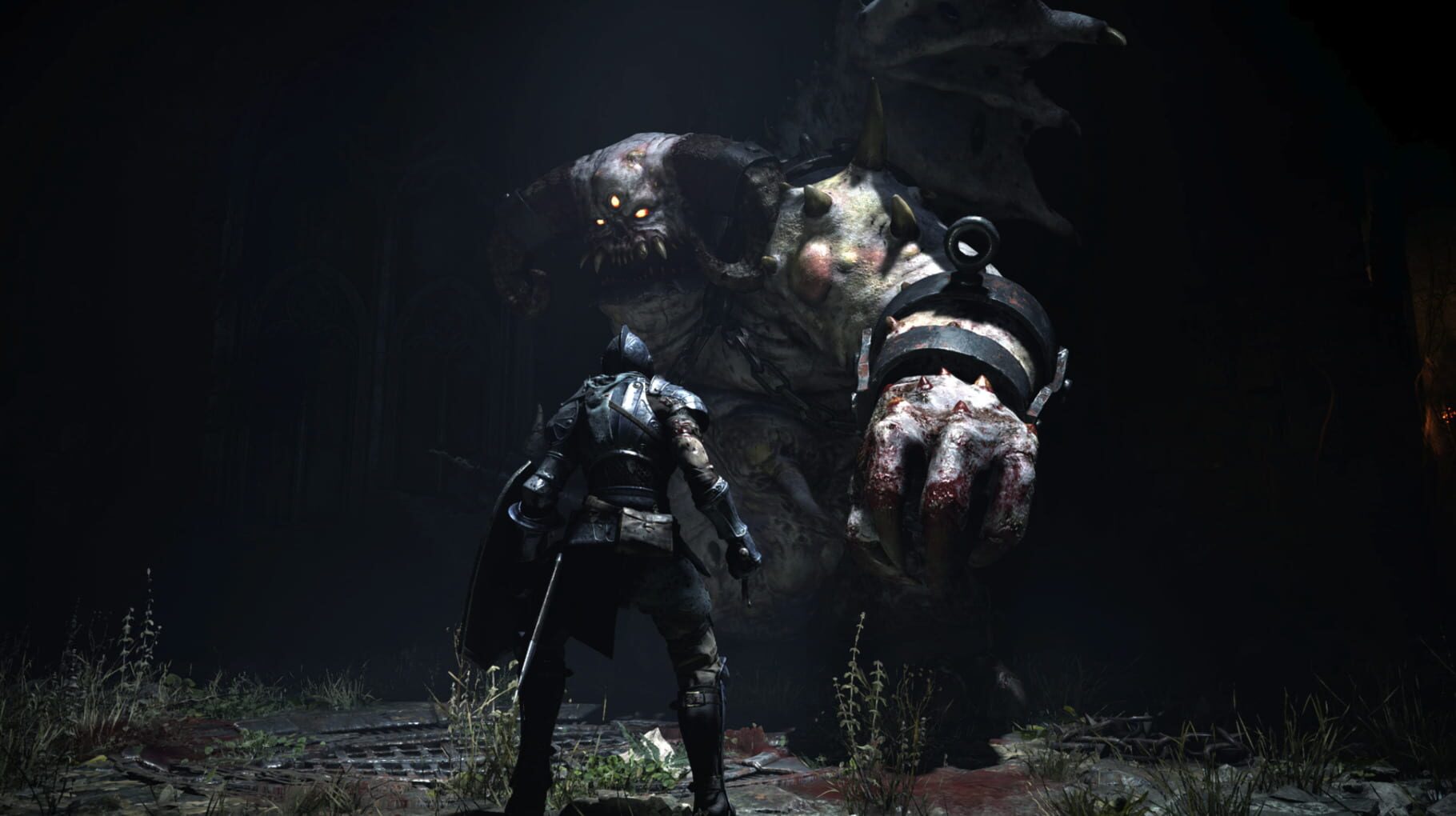 |
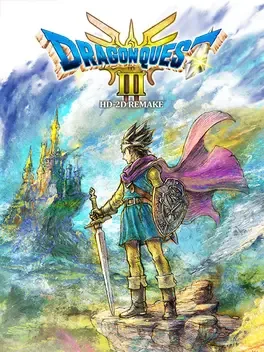 |
Dragon Quest III HD-2D Remake | Turn-Based | A remake of the third Dragon Quest game made in the HD-2D style. The game has a fairly non-linear story and fully customizable party (aside from the hero character) which includes a job-switching system that allows you to carry over all learned skills from one job to another. This version also adds a monster arena where you find monsters in various towns and hidden areas on the world map. There is also some expanded backstory to the hero's father not present in previous versions. | 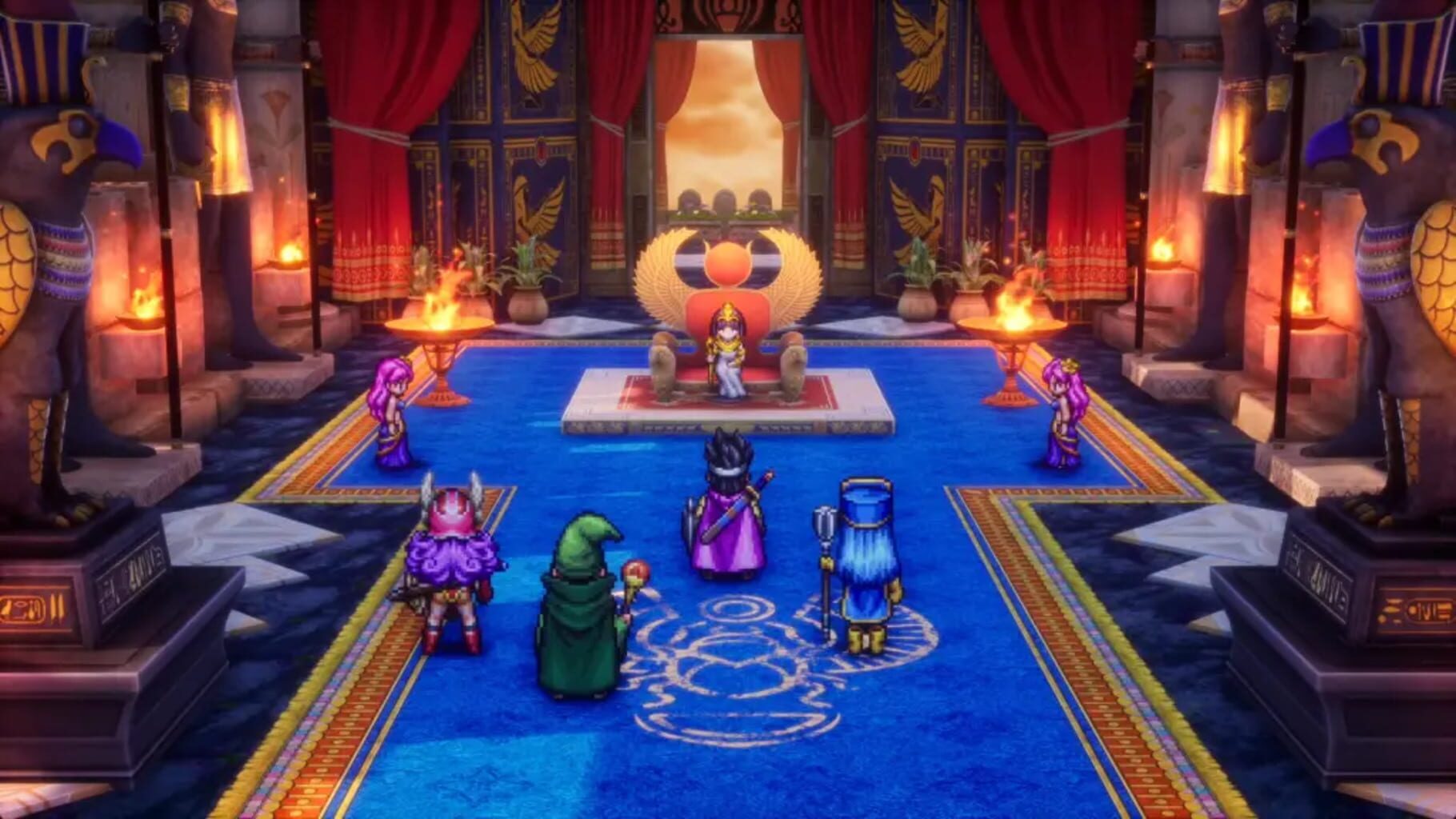 |
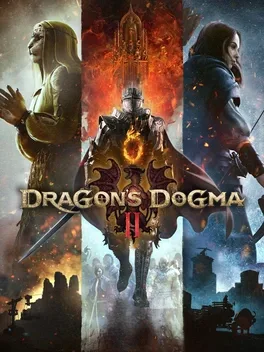 |
Dragon's Dogma II | Action | Long-awaited followup to the classic Capcom action RPG. Follows many of the same beats as the original. A Dragon steals your heart, making you an "arisen", and you must journey with up to three AI-powered pawns to foil an evil plot. Features a much larger open world and new and upgraded combat classes, but is also more of the same in many ways to the first game, and does not feature a lot of the elements and options that were added to the original via the Dark Arisen expansion. A welcome, if imperfect, follow up. | 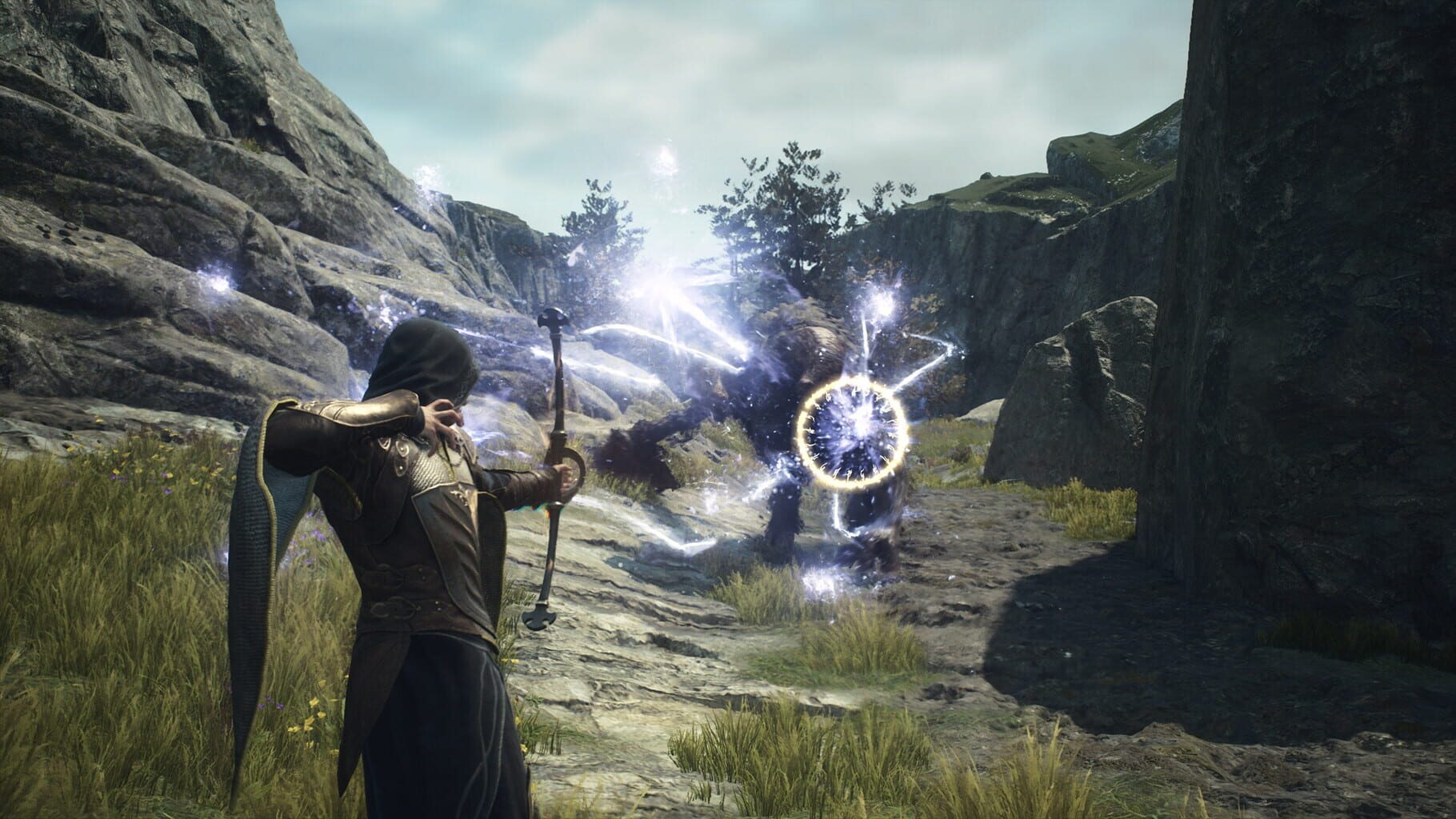 |
|
Elden Ring | Action | An open world Souls game lauded for its exploration, combat, and world design made in conjuction with George R.R. Martin. You're a Tarnished, an exile from the lands you occupy who has returned following a catastrophic event that has torn the land asunder. Unlike most "open" world games you can approach the various lands and bosses in any order, with the ability to skip large portions of the game if you know where to go and who to fight.
The Shadow of the Erdtree expansion adds a giant new area and dozens of hours of new gameplay. |
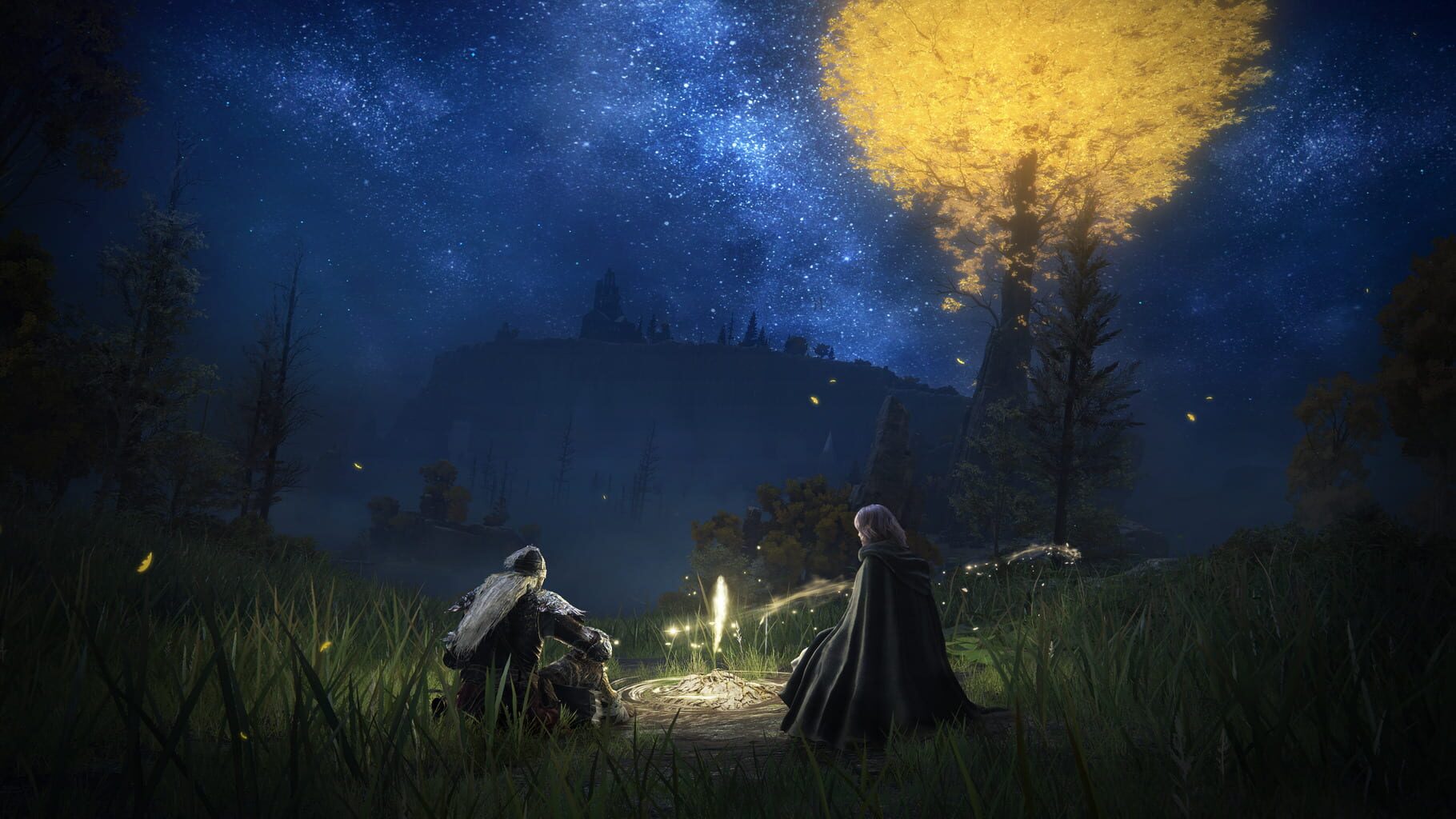 |
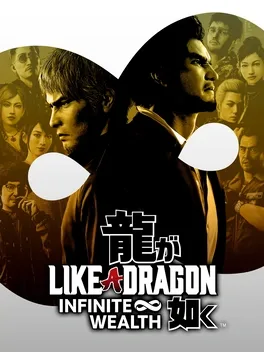 |
Like a Dragon: Infinite Wealth | Turn-Based | The Yakuza series has re-branded to Like a Dragon with this 9th mainline entry, in order to closer match the Japanese name for the series. Ichiban is back in another JRPG and this time is joined by Kiryu and friends old and new as they travel to Hawaii to unravel the mystery behind the disappearance of Ichiban's mother. Infinite Wealth offers an expanded combat system over its predecessor, with more movement options for a character on their turn. Also includes the series' trademark insanity mixed with melodrama as well as a very expansive Animal Crossing-style island town-building mini-game. | 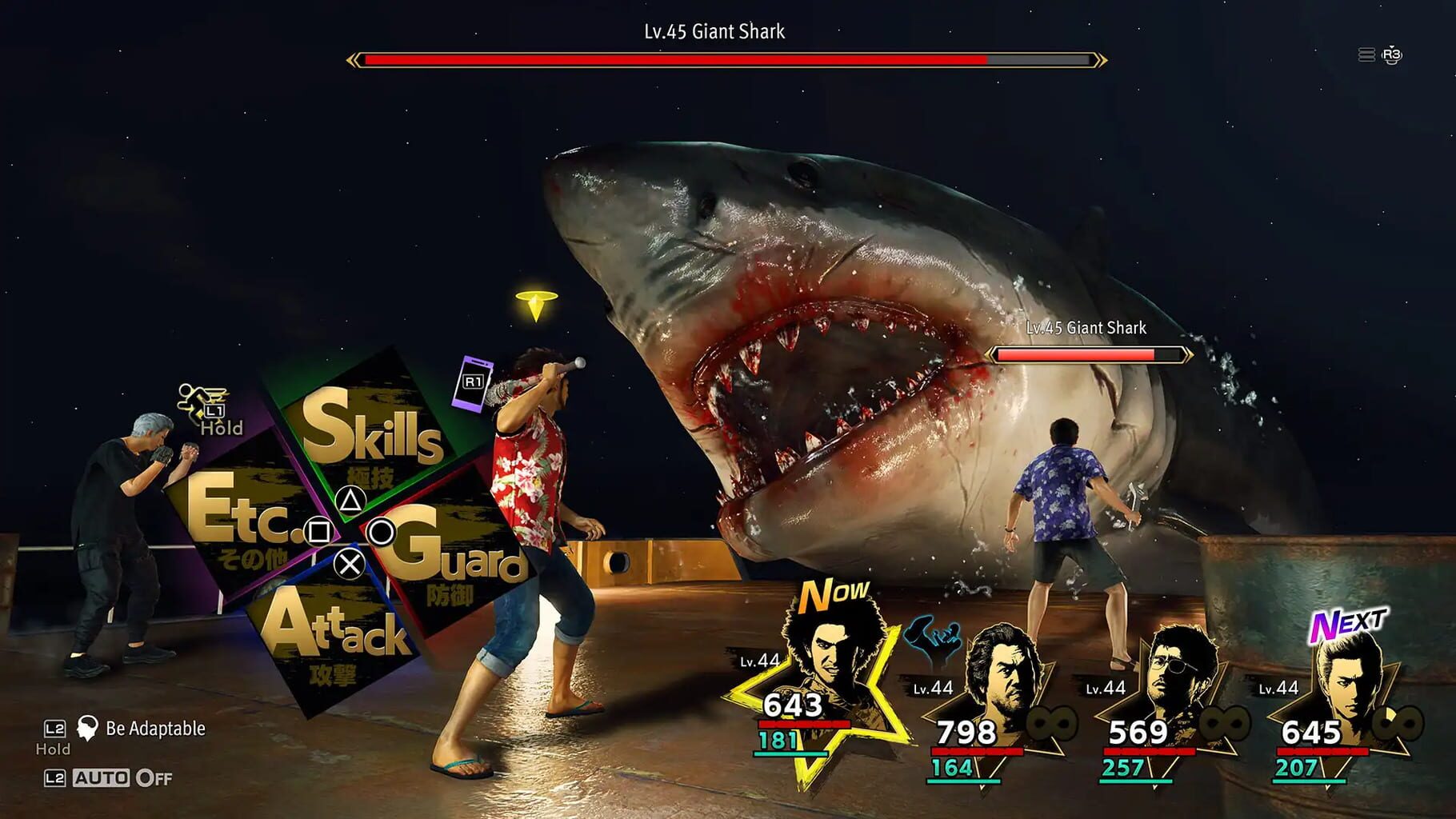 |
 |
Metaphor: ReFantazio | Turn-Based | A stylish medieval fantasy JRPG from the team behind the Shin Megami Tensei/Persona series. The world is full of various tribes of different fantastical races, as well as different political and religious groups caught in conflict and power struggles. The monsters in the game, called "humans", are esoteric beasts designed in the style of Hieronymus Bosch paintings. Combat is turn-based, using the classic SMT press turn system, albeit while exploring you can enact a real-time combat system that opens both the player and enemy up to initiative attacks. It can also allow the player to quickly dispatch of enemies when overpowered for the area. There is a jobs system called archetypes that allow the party members to transform into these archetypes to access new skills, akin to summoning personas. While not as comprehensive as the Persona games, there is a social links and calendar system to increase the bonds with your party, allowing access to new archetype upgrades. Deep gameplay, an interesting plot, and unique style have made this one of the best JRPGs of its generation. | 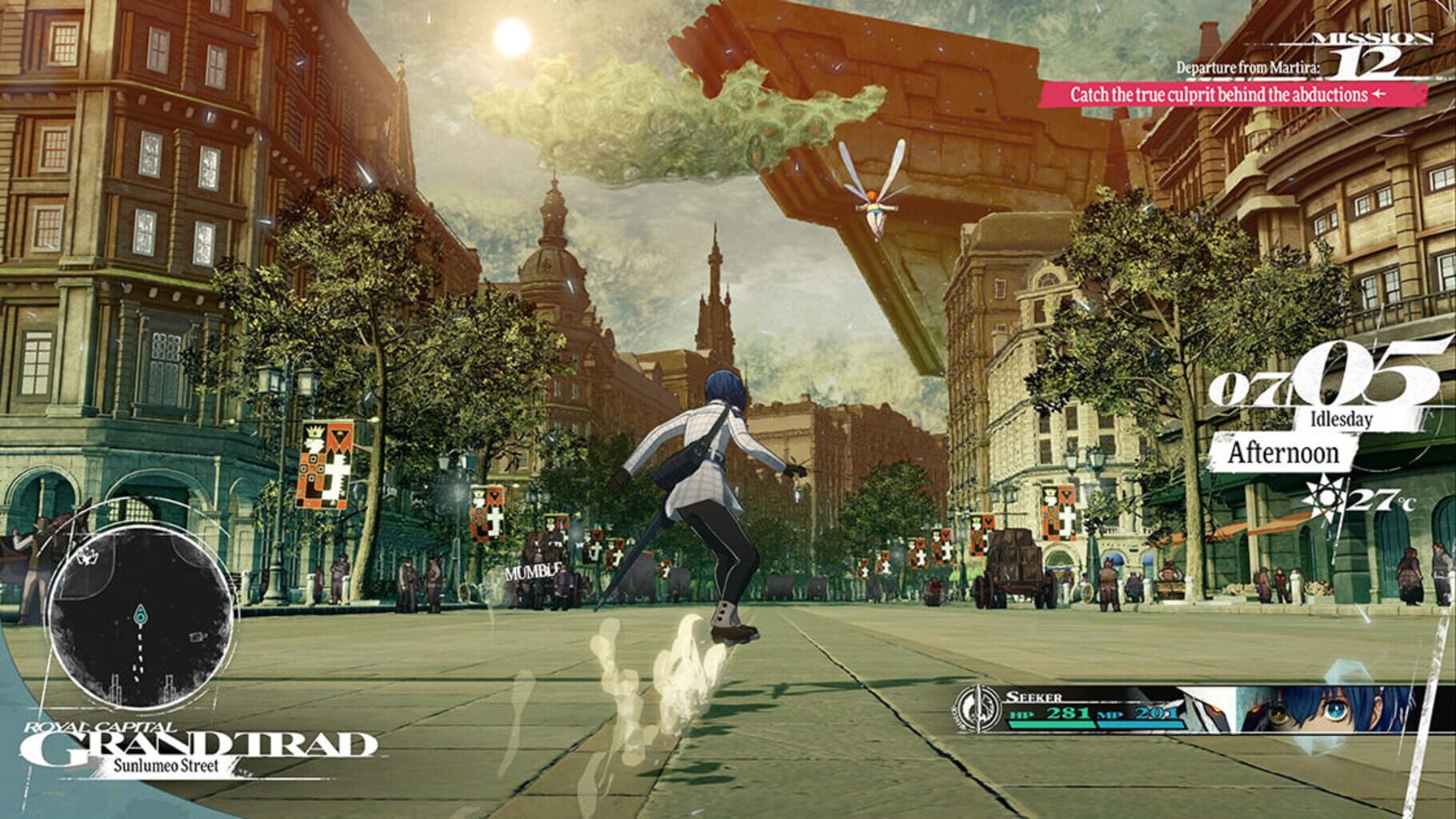 |
 |
Nioh Collection | Action | Nioh and Nioh 2 in one package. The first game is Ninja Gaiden meets Dark Souls. You play as a Scottish ninja, based on a real person, who's spirit is kidnapped by an evil wizard. You must travel to Japan in order to get her back. You fight all sorts of grotesque enemies and amazing bosses. There are 7 different melee weapon types and three different ranged weapons to choose from all with their own styles and unlockable combos.
The second game is more like a Nioh map pack than a full second game. A prequel to the original; you play as a silent custom character who works as a lieutenant in Nobunaga's army conquests and beyond. All the weapons return from the first game as well as new dual-axes. It's an easier and longer game than the original Nioh (sans DLC). In typical Koei Tecmo fashion, has a lot of reused content from the first game, to the point of laziness. Still, a pretty good action game. |
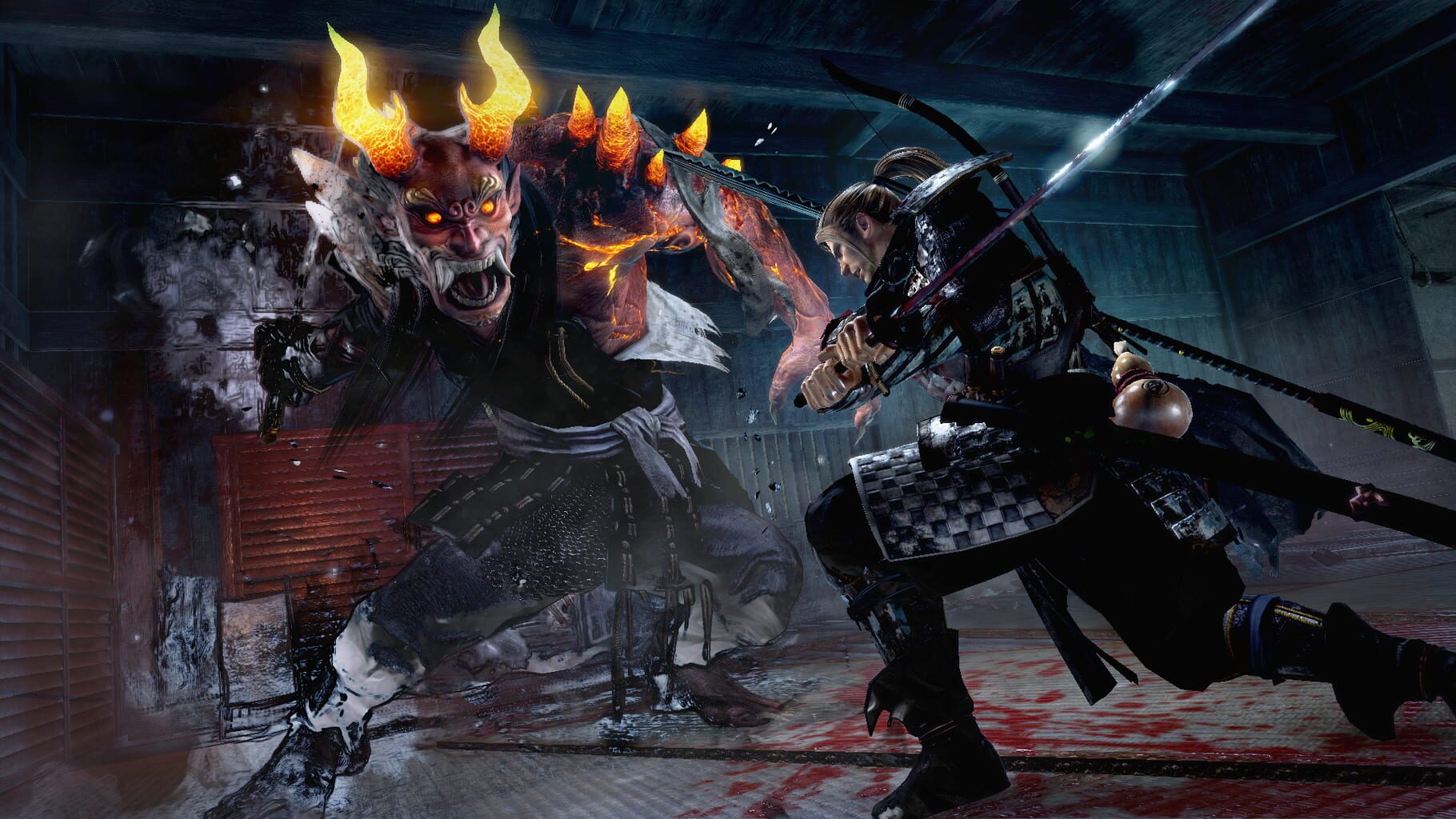 |
 |
Octopath Traveler II | Turn-Based | Another HD-2D JRPG by Team Asano. Like the first game, it involves eight progtagonists coming together while going through their own individual stories before a finale that unites them all in one. The storytelling is vastly superior compared to the previous game, and characters actually have some overlapping between individual chapters. There are some new additions to the combat and job systems as well that add a little more depth to both. | 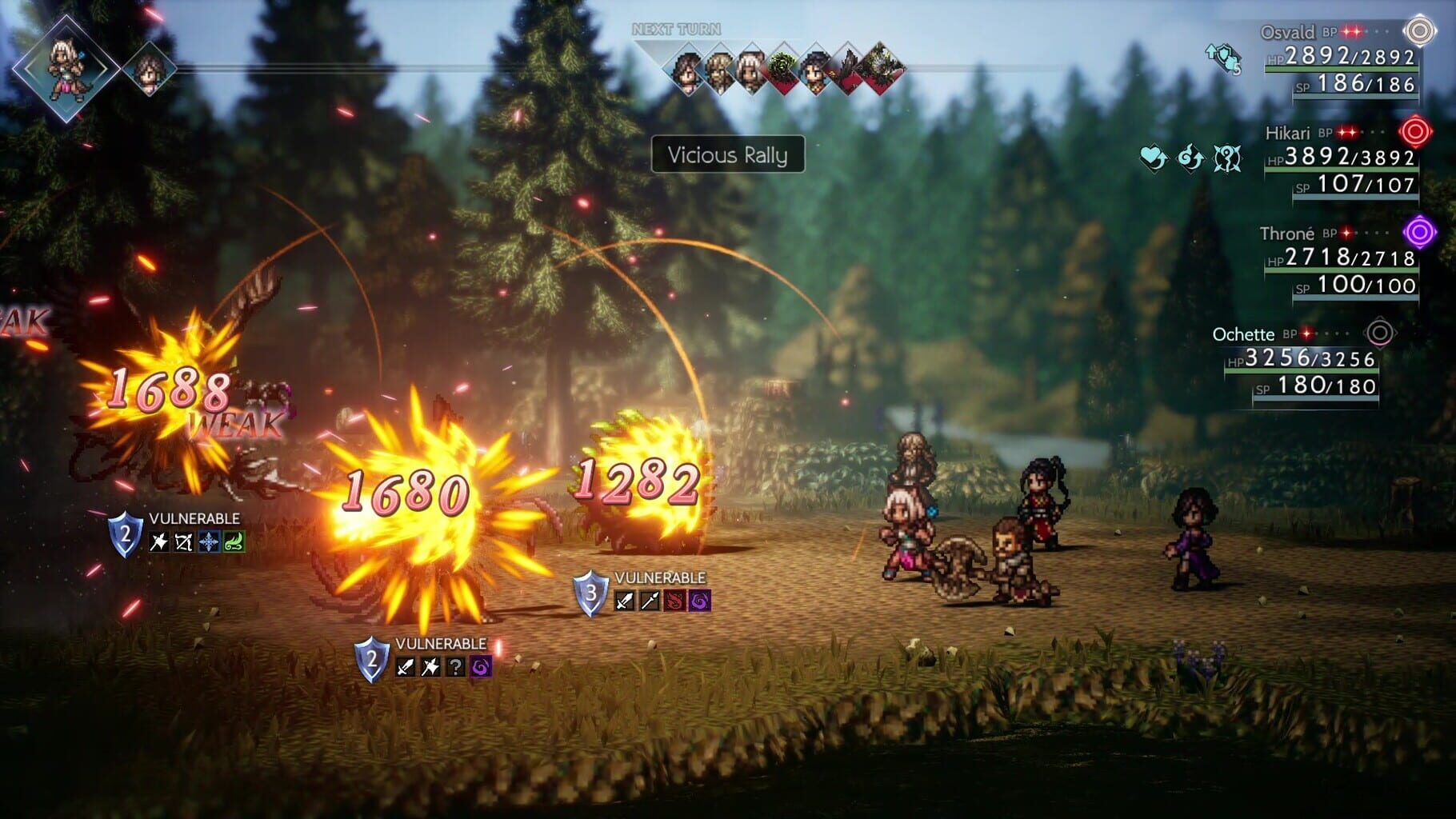 |
 |
Persona 3 Reload | Turn-Based | A remake of the PS2 game, with gameplay and aesthetic changes that make it more comparable to Personas 4 and 5. The social elements have been vastly expanded so there is more to do in between dungeons. While the battle system still keeping the original press-turn system, it includes more stylishly presented menu options, as well as the ability to either let the CPU control your party like the PS2 version, or have full party control like in the PSP port. | 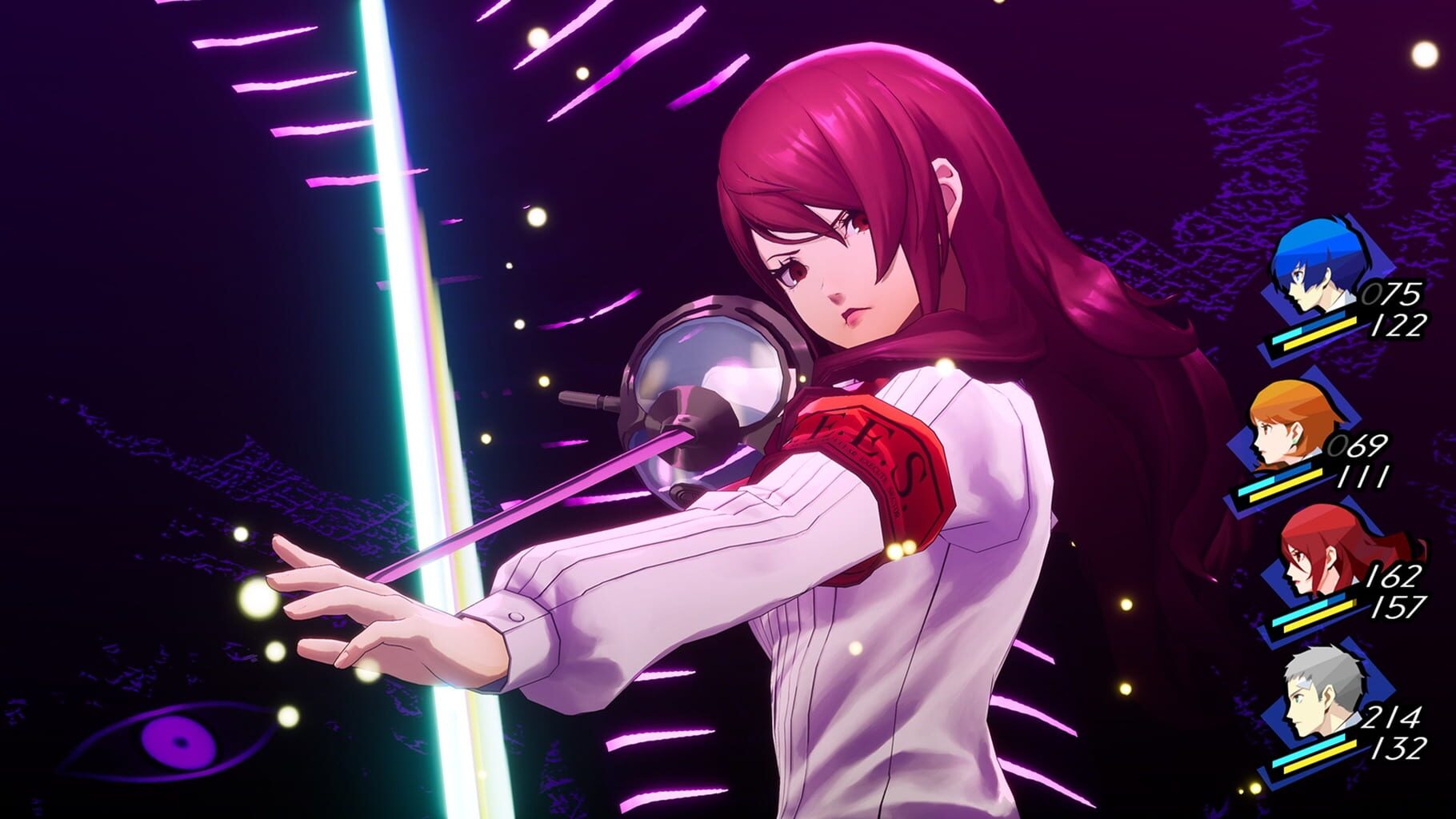 |
|
Persona 5 Royal | Turn-Based | You got an assault charge for punching out a rapist, forcing you to transfer to the only school that's willing to accept you. On top of that you've gained the power to access the hearts of the corrupt, and decide to steal their darkest desires with the power of your Personas.
(very) Arguably the best entry of the Persona franchise, and widely considered one of the best JRPGs of all time, Persona 5 takes its tried and true formula and adds a fun Lupin the Third style heist element to keep things interesting. With gorgeous art design, a dark, gripping story, a monstrous length (over a hundred hours for the main story alone!), a bounty of sidequests, and a rock solid battle system, Persona 5 must not be missed. The Royal edition is a massive expansion to the base game released in March of 2020. Including new characters, S.Links, combat mechanic changes and Skills; as well as an additional semester of game-play, story, expanded palaces and a whole host of quality of life improvements/additions too numerous to list. |
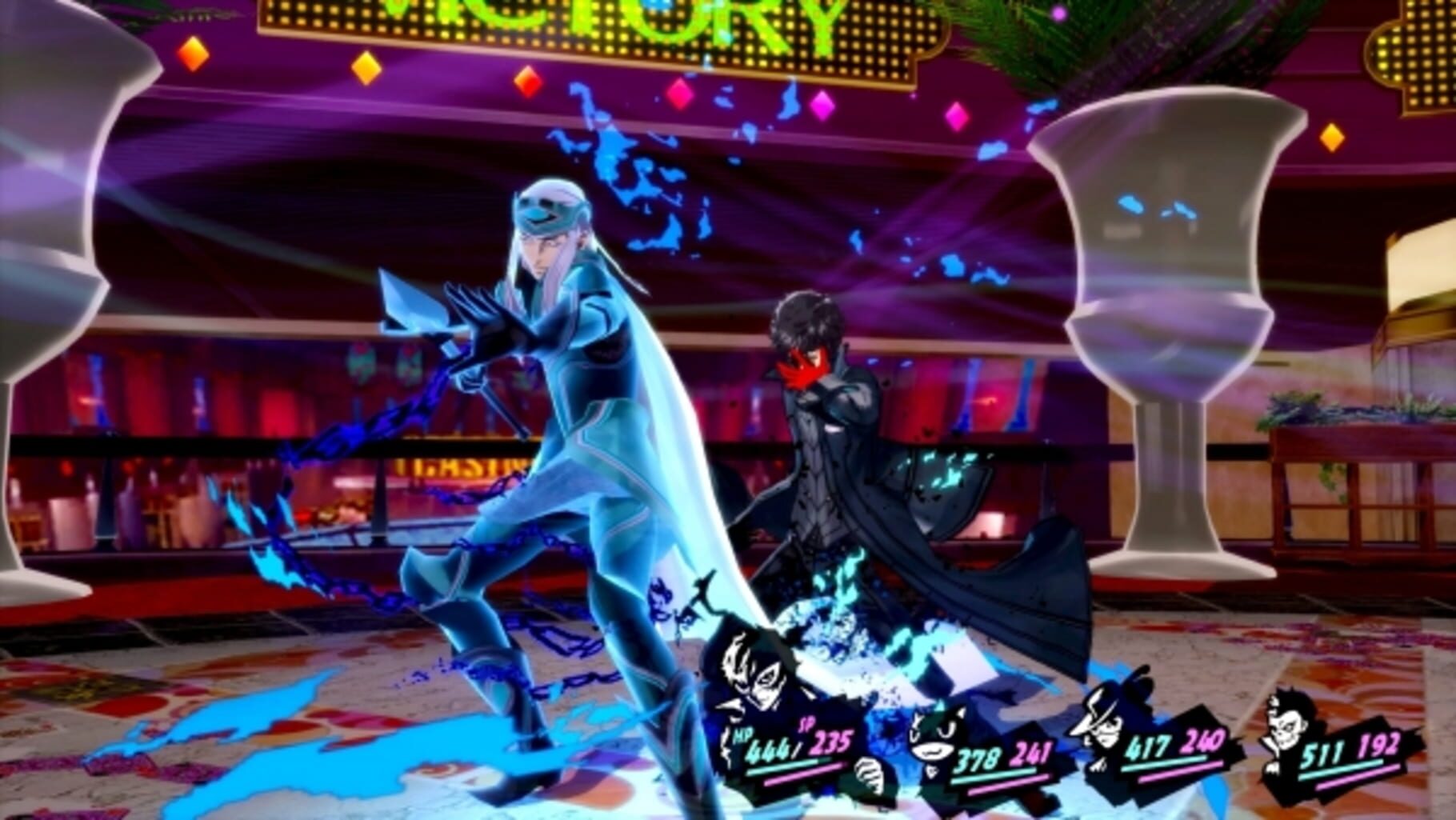 |
 |
Raidou Remastered: The Mystery of the Soulless Army | Action | A dame shows up at your detective agency and shit goes down. Find and rescue the dame as you uncover the mystery of the Red Cape, fightan demons and unearthing a conspiracy along the way. Skulk around Tokyo finding clues and using demon abilities to manipulate people and the environment. A remake of the PS2 Shin Megami Tensei spinoff. It comes with a laundry list of quality of life improvements to the combat system, such as having two demons out at once and the ability to lock on. Other additions include quick saving, fast travel and bunch of new demons you can summon. A welcome improvement to one of the jankier SMT games of its era. | 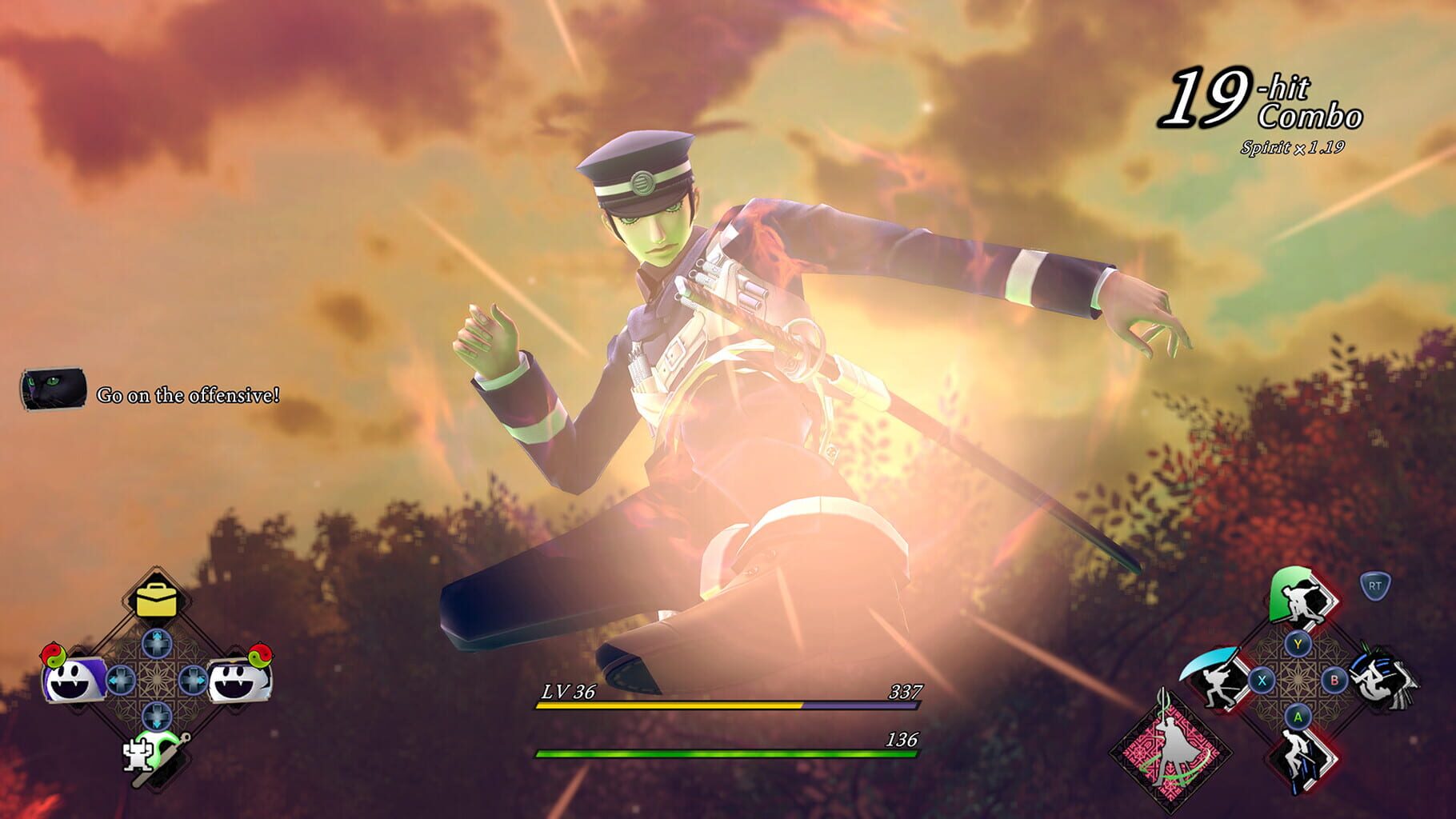 |
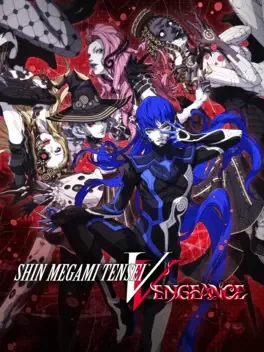 |
Shin Megami Tensei V: Vengeance | Turn-Based | An enhanced version of the original SMTV. Vengeance includes an all-new story path which diverts from the original plot and offers a much improved story and more interesting characters, as well as new side missions and boss fights. You can also play the original plot of SMTV if you want to see that content as well. There are also a handful of quality of life improvements, especially to the open-world exploration. The definitive version of one of the weaker mainline entries to the series. | 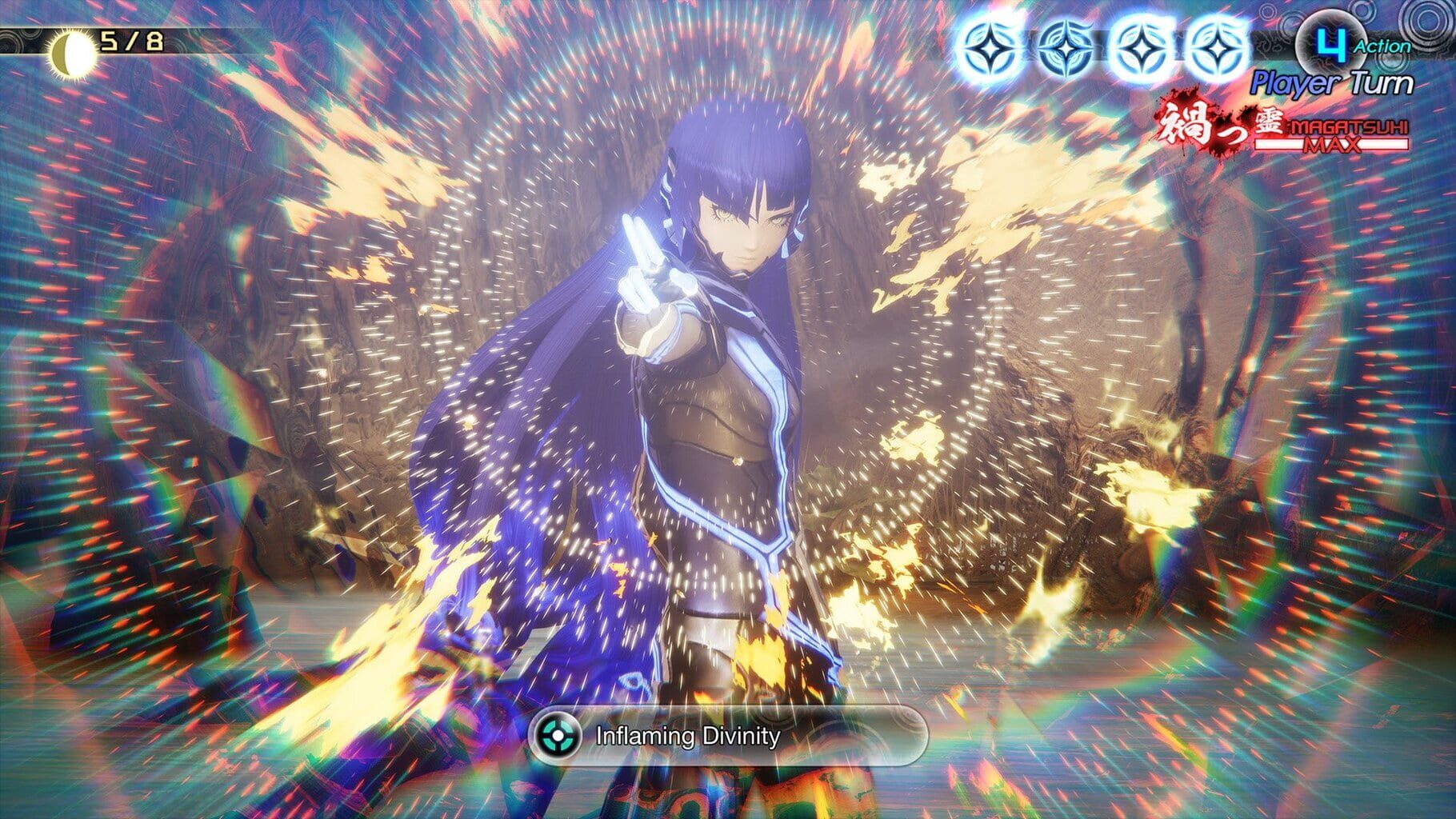 |
|
Tactics Ogre: Reborn | Strategy | A remaster of the 2010 PSP remake of the 1995 SNES strategy RPG classic. Micromanaging your team is now easier as units level individually. New controls and smarter AI make combat way less arduous and more engaging, making this the definitive version of the game. | 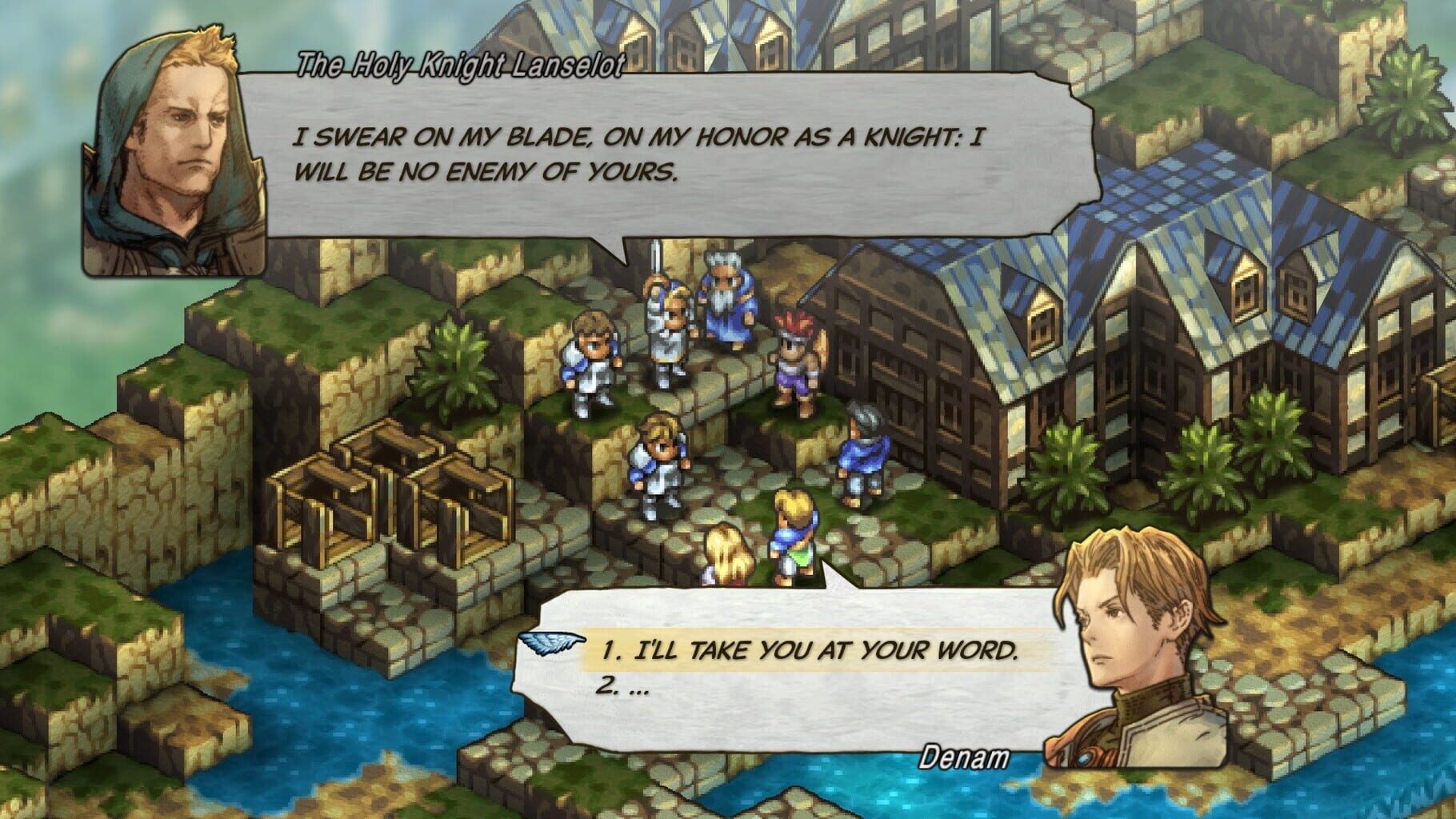 |
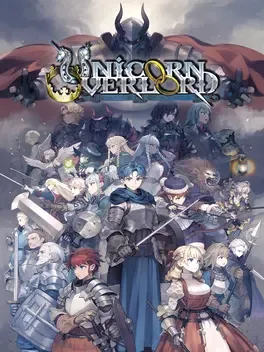 |
Unicorn Overlord | Tactics | Strategy game by Vanillaware, inspired by the Ogre Battle series. Combat takes place in real time with the ability to pause, and battles play out based on unit attributes. Contains over 60 unique units. There is also an overworld and towns to explore and upgrade your units in, as well as partake in optional battles. Contains the gorgeous art and visuals Vanillaware is known for. | 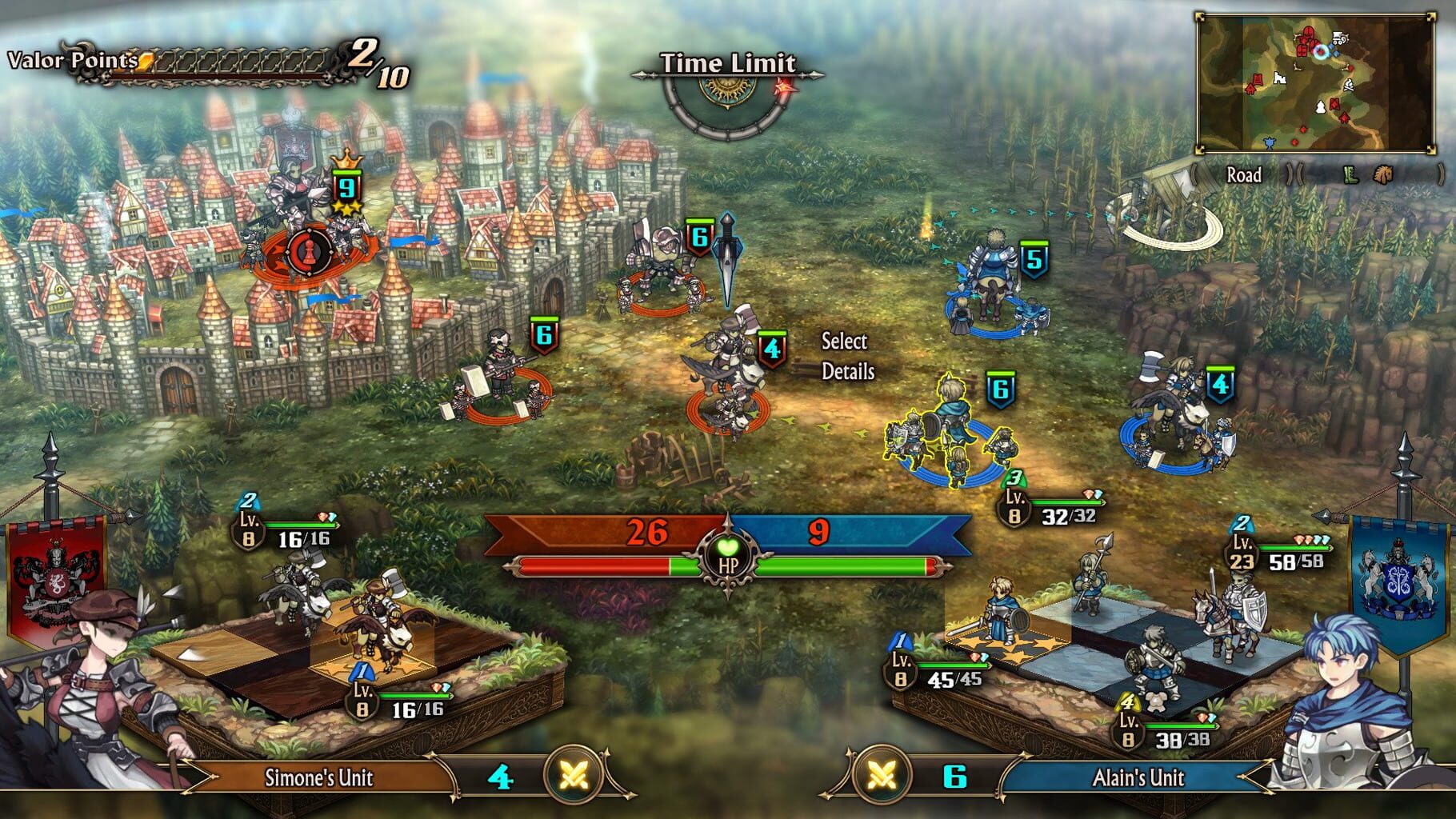 |
|
Yakuza: Like a Dragon | Turn-Based | The 8th mainline Yakuza game(known as Yakuza 7 in Japan) takes the series in a very different direction. Discarding the beatemup combat(now exclusive to the Judgement games) for a turn-based JRPG system with a Final Fantasy V-like jobs system. With Kiryu's story ended after Y6, Like a Dragon stars the affable gangster Ichiban Kasuga and a group of friends he makes on his journey to discover why his old boss has abandoned him after a long prison stint. The blend of serious melodrama and ridiculous writing the series is known for is maybe at it's best here, and the new characters are all fantastic. The combat can be deep, albeit outside of a few moments not terribly challenging. The game's spin on traditional JRPG elements and its open love for Dragon Quest are fantastic and look to be a great kickstart for a series that was getting stagnant. | |